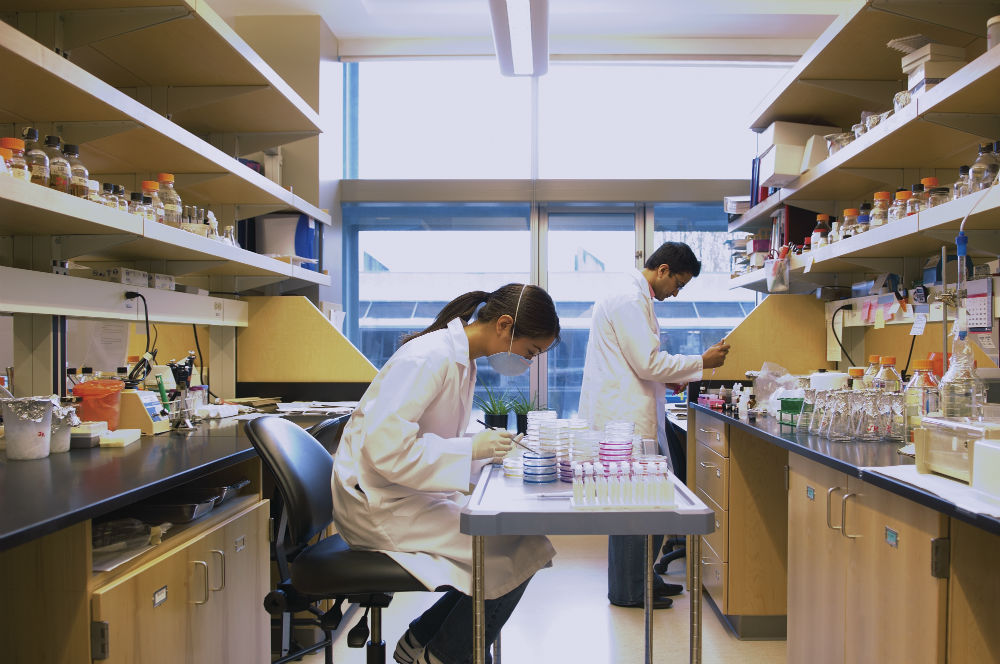
The Art of Supervision in the Arab and Gulf Region

The upcoming generation of Arab scientists has to be mentored differently, says Mohamed Boudjelal

This piece was cross-posted with Nature Middle East

professor-1696568_1280-smaller

The majority of the Arab world gained independence from western colonization during the second half of the 20th century. While Western states were building their research base then, most Arab states were focused on education. Now, the Arab world is trying to catch up. The two main challenges we face today are improving scientific training, and engaging more women in science.
Continue reading

Away from Home: Blending remote sensing with social sciences

We’re bringing you the best stories in lab mobility from Nature India

The ‘Away from home‘ blogging series features Indian postdocs working in foreign labs recounting their experience of working there, the triumphs and challenges, the cultural differences and what they miss about India. They also offer useful tips for their Indian postdocs headed abroad. You can join in the online conversation using the #postdochat hashtag.

KRC

Koel Roychowdhury

This week we have a young scientist from the United Nations University (UNU) in Tokyo, Japan at the end of her postdoc tenure. Koel Roychowdhury, an alumnus of the University of Calcutta, uses remote sensing technology to look at environmental and agricultural sustainability. Koel says the fascinating opportunity of doing science for social good is what keeps her going. Continue reading

The hidden costs of a career in scientific research

Does a career in science select against those unable to afford frequent relocation, unpaid work and short-term contracts?

Nick Riddiford

That a career in science is demanding is unsurprising. But alongside long hours spent in the lab grappling with abstract concepts, the number of years of education it takes to enter the professional ranks and the increasingly unstable nature of such employment, exists a further demand: money. It’s no secret that science costs money — building the Large Hadron Collider (LHC) and sequencing the human genome cost around €3 billion each — but what is less obvious is that entry to a career in science often requires considerable personal financial sacrifice.

save-money-1362382_1920 Continue reading

Back to basics: Cracking an academic interview

Mit Bhavsar runs through some simple tips he learnt in his quest for an academic position.

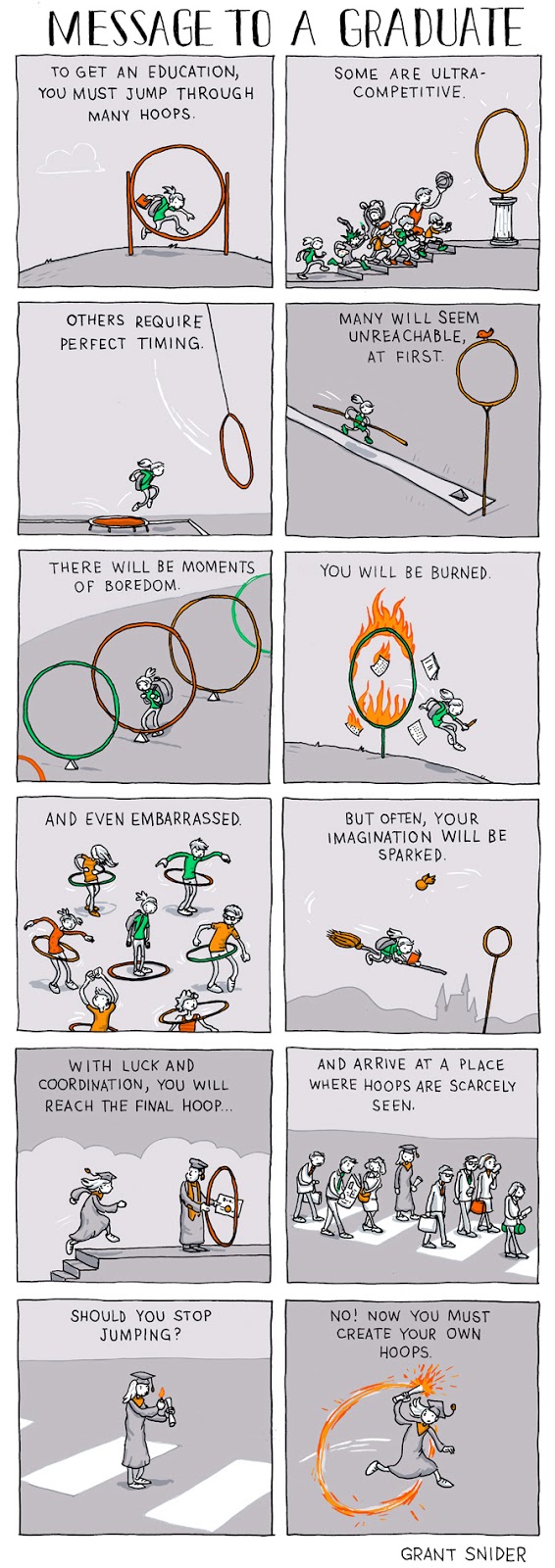
Staying and working in academia is a good career choice but finding the right position in academia is still a tricky thing. Blanket-applying to as many positions as you can find and crossing your fingers isn’t going to cut it. Recently, I managed to crack some of my own postdoc interviews. Here’s what I learnt.

grant snider comuic

Image source: Grant Snider https://www.incidentalcomics.com/2013/05/message-to-graduate.html

Continue reading

Bonding in Boston: The importance of networking in science

Naturejobs journalism competition winner Ashish Nair finds new hope at our Boston career expo.

A long time ago in a land galaxy far far away, there was a great gathering where those weary of the well-trodden trail of tenureships and grants repaired themselves. The gathering in question was the Naturejobs career expo, a free one-day event organized for students and scientists alike. Featuring some truly inspiring speakers, it gave a much-needed boost to my hope for a career in science that can be both emotionally and financially (yes, $$$) satisfying.

Continue reading

Scientific data + effective communication = big changes

The science community should recognize the influence that research has when it’s translated for everyone.

Guest contributor Thais Moraes

2014-06-29 15-smaller

Thais Moraes

The conference comm4science – communicating science beyond the lab – in Heidelberg, on the 6th and 7th of May, put together many popular names involved in science communication both in and outside of Germany. They all highlighted the importance of communicating science. But they also recognized the many problems we face today concerning dialogue between scientists and the public. In my opinion, one critical point is to make scientists understand how essential it is to share their research with society. Continue reading

Babies or career: How to keep young researchers in science

Could shared post-docs improve work-life balance and make academia more attractive for early career scientists?

Naturejobs journalism competition winner Ulrike Träger.

If you look for advice on work-life balance in science online, the message seems clear: it’s possible to fit a 10-hour work day around quality time with your kids and family as long as you’re organized. Flexible hours of working in the lab help. Experiments don’t mind when you do them, and can be postponed until your kids are asleep. But still, long hours are expected in order to be successful, and finding childcare during midnight experiments is not always easy if you don’t live close by. So for many (including myself, a post-doc in my late twenties pondering the right time to start a family) the prospect of having to plan each and every minute of the day to be a good parent and scientist is daunting. This leaves promising young scientists everywhere feeling like they have to choose between family and career.

Continue reading

How do you handle conflict?

Conflict is inescapable. Even if you’re the least contentious person on the planet, disputes will arise – between you and other lab members, your adviser, your principal investigator, collaborators, co-authors. The list goes on.

{credit}iStockphoto/Thinkstock{/credit}

Continue reading

The faculty series: Setting up your own lab

Starting up a brand-new lab is a dream to many early-career researchers, but to make the most of it, they must be wise with their money.
Fancy/ Punchstock/ Getty Images

{credit}Image credit: Fancy/ Punchstock/ Getty Images{/credit}

We’ve covered setting up your own lab before, but there’s an awful lot more for you to consider when you begin your tenureship. Here’s some more of the story.

Equipment isn’t the only thing you need to think about when you finally get your (hopefully big) bag of cash. Staff and PhD recruitment is important, as is considering whether you need a closed or an open lab. How should you arrange everything? Does anyone else in the department need to share equipment? Should you stay traditional or move everything online? What else should you consider?

Recruiting staff

“There’s no point in paying for all of the new equipment if you don’t have enough hands available to use it,” says Rafael TM De Rosales, a lecturer in imaging chemistry at King’s College London. Too much focus on the equipment – be it computers, chemicals or carefully calibrated chronometers – and not enough on the people who’ll be using it, means you could find yourself in a brand new, decked out lab with little research output. Your most important hire will be the first one – your first postdoc needs to be skilled and enthusiastic enough to both carry out the research and teach your future hires what they need to know. Continue reading

The postdoc series: Setting up your own lab

Negotiate your start-up package and apply for grants early.

Lab-naturejobs-blog

{credit} Getty Images \ Ryan Mcvay{/credit}

Transitioning from postdoc to faculty is never an easy step, which is made no easier by the severe competition for funding. Kim McCall chose to set up her postdoc lab based on what would be “hot” when she was looking for a postdoctoral job. “But I also looked for a research topic that I thought would be NIH-fundable,” she says. Most importantly however, McCall looked for something that she was passionate about: “when you start your own lab this is what you’ll be doing so it’s important to choose a topic that you will continue to be excited about.”

Once you know what your research focus is and where the money might come from, you’ll need to negotiate your start-up package: the funding that the institution offers you to get you up-and-running (buying equipment, materials, pay postdocs, etc) for the first 2-3 years. This money is finite, and the institutions will expect you to find your own financial resources as soon as possible. Many advise to submit your grant proposals as early as possible after you’ve transitioned from postdoc to faculty. This way you can still use your postdoctoral work (if it was significantly independent work) as your preliminary results. Continue reading