Can scientists really have work/life balance?

To be a top performer you need to be happy – something academics tend to forget.

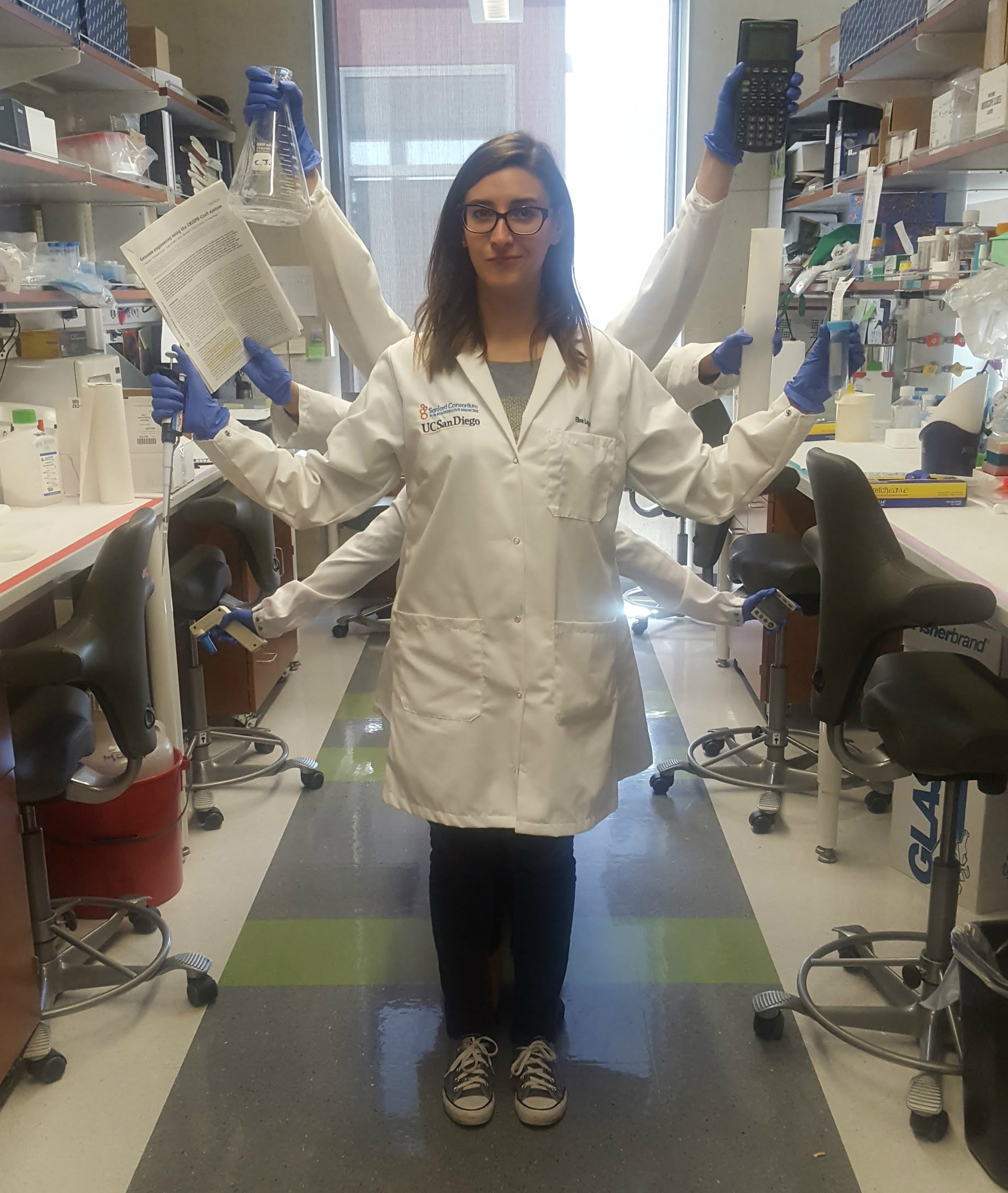
Naturejobs journalism competition winner Elisa Lazzari

Scientists spend a lot of time trouble-shooting. Every day we work on our protocols, and if something doesn’t work, we try again and again, until we fix it. We keep track of all the factors and accurately measure all variables, to find the perfect combination of parameters that work. If there is one thing we can claim after getting a PhD, we’re definitely great at problem-solving. Can we also trouble-shoot our way out of the everlasting dilemma on how to find work/life balance?

Elisa Lazzari

Elisa Lazzari

Continue reading

Study system envy

Graduate students must often weigh the pros and cons of straying from an advisor’s research program

Guest contributor Carolyn Beans

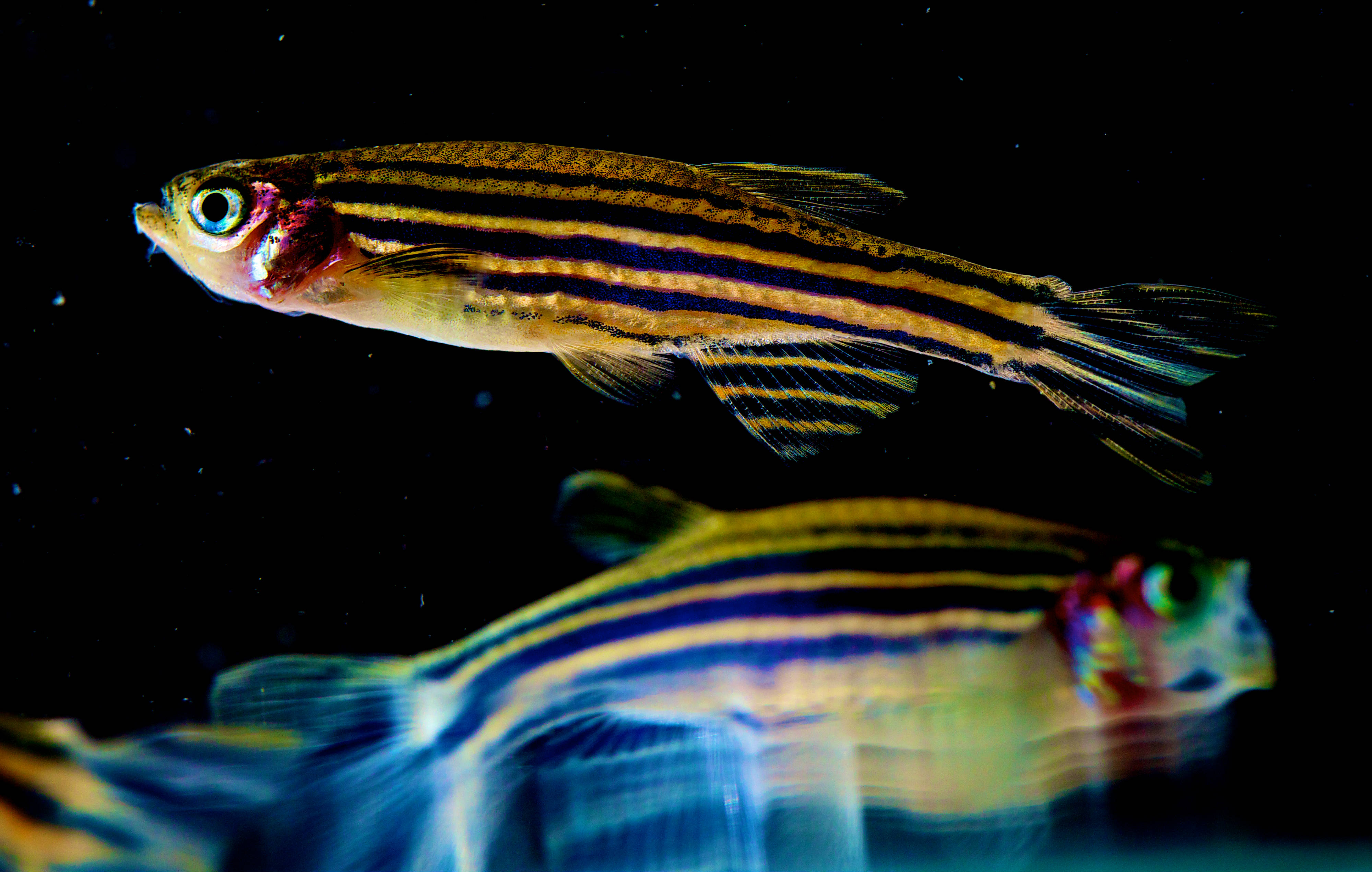
Early in graduate school, I had total study system envy. In many biological fields, including my own field of evolutionary ecology, a study system is a specific species that a scientist uses to run tests. Some of these species like mice, zebrafish, and the plant Arabidopsis are model organisms, and have been well-studied for decades or more. Whether scientists choose a model organism or a relatively unknown species as a study system can have drastic consequences for their research.

Zebrafish

Zebrafish{credit}Uri Manor, NICHD{/credit}

Continue reading

Team science and the early career researcher

The current trend towards increased research collaboration and larger groups is fuelled by the need to answer bigger questions, but this approach puts individual contributions at risk.

Guest contributor Lucia Possamai

Research ventures where several researchers, groups or institutions work together to answer a research question is becoming known as ‘team science.’ It can be seen at work today in large genetics studies, such as the 100,000 genomes project, in multi-centre clinical trials, or in rare disease consortia. Even on a smaller scale, it is becoming more common for publications to arise from collaborative projects.

As an early career researcher I can appreciate that team science is not just good for science: it gives those of us embarking on our scientific careers the opportunity to take part in research with high impact that would otherwise not be accessible to us. It can remove the pressure to obtain independent funding – in many cases, all funding will have been obtained as part of the larger project’s grant.

Continue reading

A positive step for postdocs?

It’s been a long time coming, but US postdocs had reason to celebrate last week: an 18 May ruling from the US Department of Labor renders postdocs eligible for overtime pay.

The potential downside? It could mean fewer postdoc positions – but even that may be a positive. The academic pipeline worldwide, especially in the biomedical sciences, has a postdoc glut.

istockphoto/Thinkstock

{credit}istockphoto/Thinkstock{/credit}

Continue reading

What did your job search teach you?

Don’t feel frustrated. You have many fabulous career options.

Most PhD students and postdocs working today will not go on to head their own labs. With little infrastructure to guide them to the next stage, young scientists are inventing it themselves.

A year ago, we launched an interview series that looks at how PhDs and postdocs found ways out of the lab and into satisfying careers. We’ve spoken to people who work in regulatory affairs, technology transfer, business development, management consulting, science outreach and philanthropy, just to name a few. And we are eager for more stories to share. See below if you’d like to volunteer.

{credit}Image credit: Venimo{/credit}

Continue reading

Research in industry: A great career choice

Albert Isidro-Llobet always wanted to be an academic. Now he works for GSK. Here he shares his story.

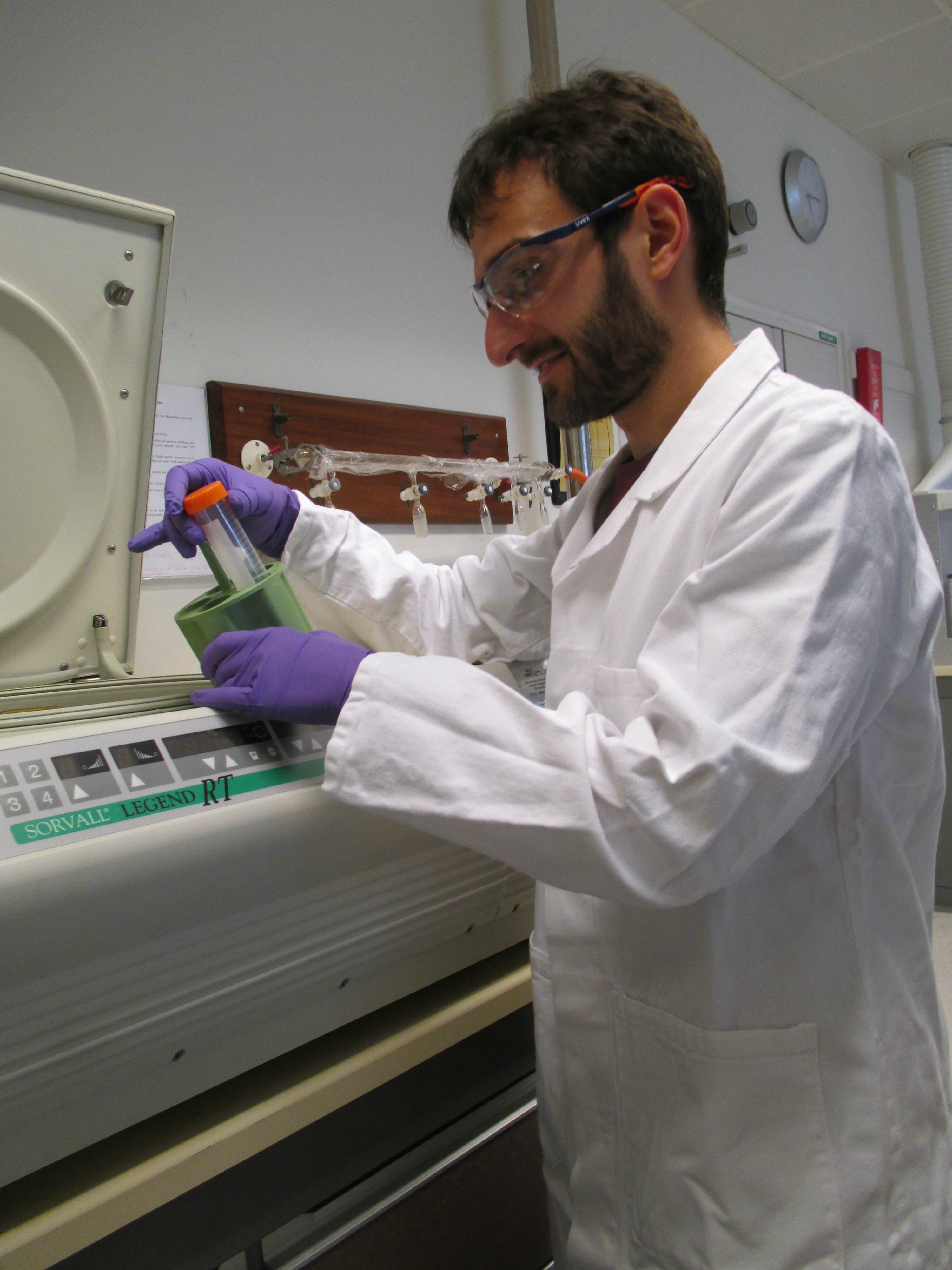
Guest contributor Albert Isidro-Llobet

I joined the R&D division of GSK as an organic and medicinal chemist in 2012. Before that, I completed my PhD at the University of Barcelona and a 3-year postdoc at the University of Cambridge. After my undergraduate degree, I decided to work in organic and medicinal chemistry to contribute to the synthesis of new medicines. Eventually, I wanted to become a Principal Investigator (PI) in academia and it seemed to me that the best course would be pursuing a second academic postdoc.

Albert in his lab

Albert in his lab

Continue reading

Women in physics: personal perspectives

Following the IOP’s “Taking Control of your Career as a Female Physicist” event, Dame Professor Athene Donald and Professor Val Gibson spoke with Helen Cammack about their careers within academia.

Guest contributor Helen Cammack

In my last blog post, I discussed career progression, publishing and gender equality with Professors Donald and Gibson. Here, we continue our conversation.

 

Did you relocate often as a postdoc?

AD: I moved around – I had a postdoc in the States, then returned to Cambridge. But at that stage I wasn’t really thinking about a career, so I wasn’t that bothered about what happened next. I didn’t intend to be an academic, so the pressure wasn’t on me. Nowadays everyone has to be calculating and publish in the right journals, and the pressure can detract from that freedom.

VG: When I was in my early career, I was just enjoying the moment, and I wasn’t thinking about my future career. The postdocs of today seem to more aware about career opportunities; they know that the majority of them won’t stay in academia; they’re looking around for what they would like to do and they’re picking up the skills they need for the future. It’s not just the academic side, it’s also the personal aspects – they’re concerned about getting on the housing ladder and potentially having families. At that stage those concerns never crossed my mind.

Continue reading

Women in science: Clogging the leaky pipeline

Karin Bodewits and Philipp Gramlich think we should stop actively persuading women to study life sciences – a field in which they face unique challenges.

Guest contributors Philipp Gramlich and Karen Bodewits

Philipp Gramlich and Karin Bodewits


Continue reading

Leaving the comfort zone

The novel and the unexpected comes with a dose of anxiety. This nervousness will only help you in your career.

Guest contributor Thaís Moraes

“Life begins at the end of your comfort zone” first reads like an outworn self-help cliché. But I tried it. And I have to tell you that this outworn self-help cliché worked for me. I’m a Brazilian researcher who came to Germany in April 2014 for a two-year postdoc, alone, without speaking a word of German, without knowing anyone, and without even knowing the city. What could have been a complete disaster turned out more than great. I’m very pleased I left my comfort zone.2014-06-29 15-smaller

Continue reading

Finding job satisfaction in research development

After finishing a PhD and postdoc in cardiovascular biology, Christina Papke found job satisfaction as a research development officer.

Now, she works at Texas A&M University in College Station, where she helps professors put together grant applications, form collaborations, and identify funding opportunities.

Tell me about your job.

It’s hard to say what a typical day is like, which I kind of like. On any given day, I might consult with an investigator about a research grant or edit a proposal.

Our goal is also to help promote collaboration among faculty. For example, we help to facilitate the formation of research interest groups, on, say, imaging or healthy ageing. We might organize a meeting where faculty get two minutes to present an overview of what they are doing, and we make program books and plan meetings to help make ideas happen.Papke_2016-02_CM_sml-r Continue reading