Networking: Forge ahead

Networking. The word conjures up almost as much fear and loathing as the thought of a grant denial or manuscript rejection. The two words that comprise it aren’t much better: ‘net’, as if you’d be trapped, and ‘working’, when you’re already doing plenty of that.

But you can’t fling it off like a mosquito. To ‘network’ is simply to connect with others, and we’ve rounded up expert advice on why it’s important, even crucial – and how you can network in ways that don’t involve too much cringing or trying to schmooze strangers at your field’s annual conference.

It’s no secret that social media has created manifold ways to establish and boost your profile. But used appropriately, these platforms can help you to forge vital links. Twitter, for example, isn’t only a means of publicising yourself and exchanging information. It’s a great way to network virtually – and maybe even get a job.

You may know by now that there are many social-media sites specifically for researchers and academics. Are you familiar with all of them? Their benefits can be legion, finds a Nature survey: they can help you with collaborative discussion, accessing papers, sharing results and more.

Still, you have to get off your phone at some point and do some real face time. It isn’t easy for everyone, yet it doesn’t have to be an introvert’s nightmare. The key, says Nature Careers columnist Peter Fiske, is to aim for a steady level of regular interaction with others.

And ‘others’ is a central concept here. You have to diversify your network: even its weakest links count, says a Naturejobs blogger. Don’t try to persuade yourself that reaching out only to contacts of colleagues or potential collaborators means you’re done.

So after all that networking, you feel virtuous and accomplished – and probably exhausted, as another Naturejobs blogger laments. But you’ve got to carry on. After all, you never know where that chance encounter will lead – or whom it might connect you with.
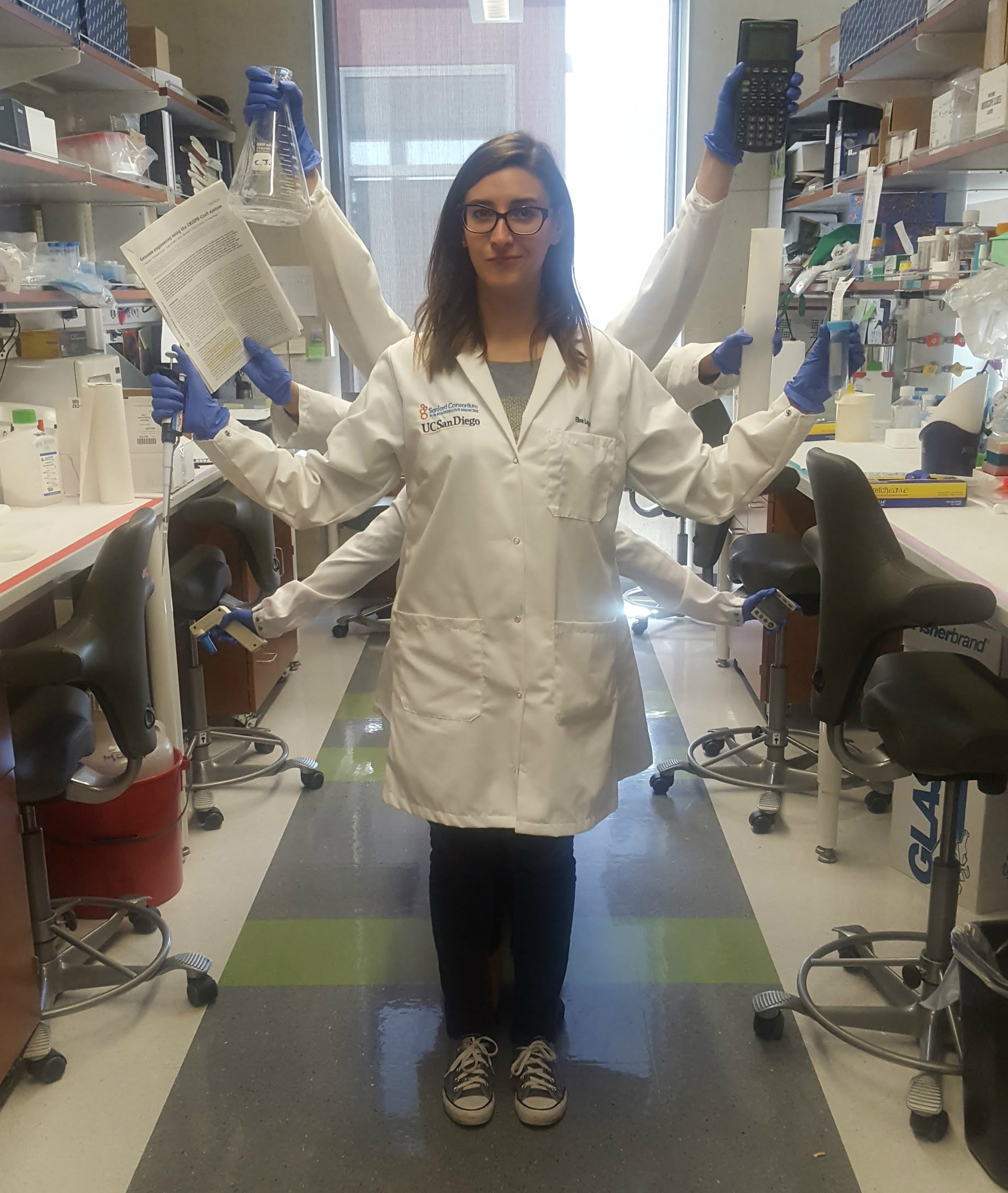
Can scientists really have work/life balance?

To be a top performer you need to be happy – something academics tend to forget.

Naturejobs journalism competition winner Elisa Lazzari

Scientists spend a lot of time trouble-shooting. Every day we work on our protocols, and if something doesn’t work, we try again and again, until we fix it. We keep track of all the factors and accurately measure all variables, to find the perfect combination of parameters that work. If there is one thing we can claim after getting a PhD, we’re definitely great at problem-solving. Can we also trouble-shoot our way out of the everlasting dilemma on how to find work/life balance?

Elisa Lazzari

Elisa Lazzari

Continue reading

Study system envy

Graduate students must often weigh the pros and cons of straying from an advisor’s research program

Guest contributor Carolyn Beans

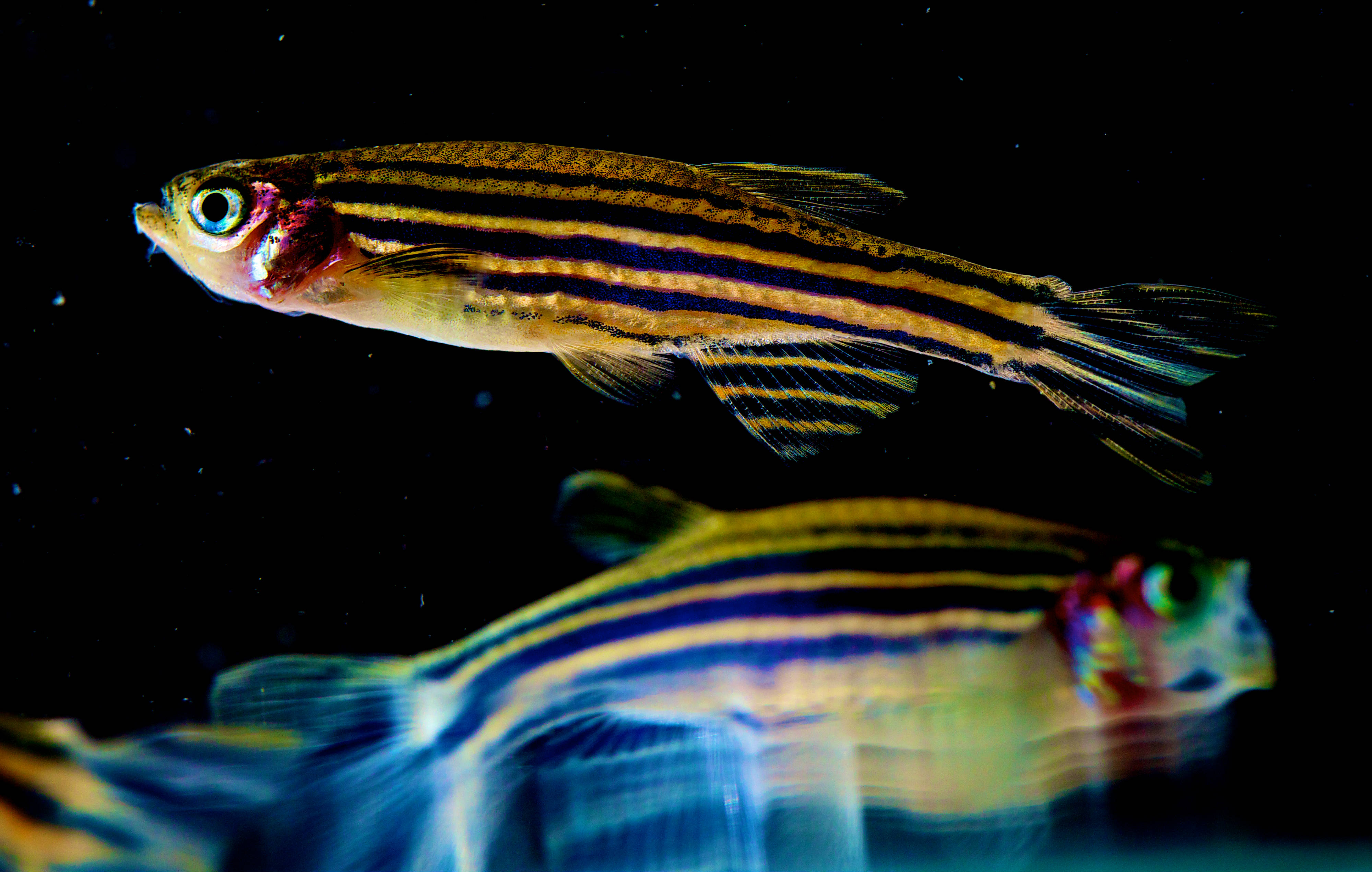
Early in graduate school, I had total study system envy. In many biological fields, including my own field of evolutionary ecology, a study system is a specific species that a scientist uses to run tests. Some of these species like mice, zebrafish, and the plant Arabidopsis are model organisms, and have been well-studied for decades or more. Whether scientists choose a model organism or a relatively unknown species as a study system can have drastic consequences for their research.

Zebrafish

Zebrafish{credit}Uri Manor, NICHD{/credit}

Continue reading

How do you handle conflict?

Conflict is inescapable. Even if you’re the least contentious person on the planet, disputes will arise – between you and other lab members, your adviser, your principal investigator, collaborators, co-authors. The list goes on.

{credit}iStockphoto/Thinkstock{/credit}

Continue reading

Finding job satisfaction in academic administration

Being upfront about goals and creative about gaining experience can launch a career.

Elise Covic, now Deputy Dean of the College at the University of Chicago, entered academic administration even before she completed her PhD in computational neuroscience when she became director of an undergraduate research training program. She describes how she navigated her way from research and into a satisfying career in academic administration.

{credit}avi schwab{/credit}

What was your experience like in graduate school?

Graduate school was just a practical step for me; I was working as a research technician because I thought that was what I thought I should do fresh out of college with a biology degree. As grad students rotated through the labs, I learned their stipend was about the same amount as my salary. Why not get a PhD for work you enjoy doing?  It’s the one point in your life when you can focus on something that you love and can be completely creative and know a microcosm that no one else knows as in depth as you do. Continue reading

Team science and the early career researcher

The current trend towards increased research collaboration and larger groups is fuelled by the need to answer bigger questions, but this approach puts individual contributions at risk.

Guest contributor Lucia Possamai

Research ventures where several researchers, groups or institutions work together to answer a research question is becoming known as ‘team science.’ It can be seen at work today in large genetics studies, such as the 100,000 genomes project, in multi-centre clinical trials, or in rare disease consortia. Even on a smaller scale, it is becoming more common for publications to arise from collaborative projects.

As an early career researcher I can appreciate that team science is not just good for science: it gives those of us embarking on our scientific careers the opportunity to take part in research with high impact that would otherwise not be accessible to us. It can remove the pressure to obtain independent funding – in many cases, all funding will have been obtained as part of the larger project’s grant.

Continue reading

How can people reach you?

We asked our academic panellists at the Naturejobs career expo, San Francisco, how people should get in touch

https://youtu.be/Xfmim-IY4eo

The art of negotiating a better salary

Andy Tay picked up some tips on negotiation at the Naturejobs Career Expo, San Francisco. Here they are.

Naturejobs career expo journalism competition winner Andy Tay

Negotiation is a powerful skill. And, whilst graduate education arms you with technical credentials for a career, it often misses out training for soft skills like negotiation. An ability to negotiate effectively can convince your counterparts to care for your interests, allowing you to maximise personal gains such as pay or career development.

{credit}iStockphoto/Thinkstock{/credit}

At the recent Naturejobs Career Expo, San Francisco, Doug Kalish shared some pieces of advice with the participants on the art of negotiating for one’s interests. Here’s some of his tips on negotiating job offers and salary. Continue reading

The great outdoors

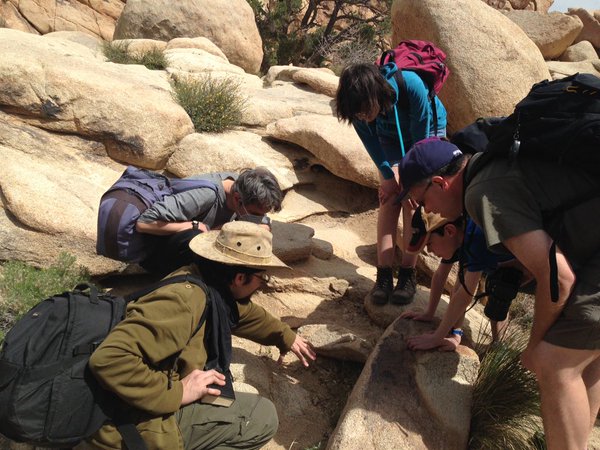
Summer is here in most parts of the world, and that means fieldwork for many junior (and senior) researchers. But journeying afar for days or weeks, though crucial for your research programme, can also mean a lot of prep work, hassle and unforeseen glitches.

{credit}Claire Asher{/credit}

How do you navigate these trips if you have children? What should you expect and prepare for if you’ll be living in close quarters with colleagues whom you may not know very well? How do you handle arduous endeavours like scaling mountains or climbing trees?

Continue reading