Networking: a very short cheat sheet

We all know the value of networking. Here’s a very quick rundown of best practises, from Amali H. Thrimawithana

Networking plays a vital role in any scientist’s career development, being one of the main ingredients in building a professional profile. It feels especially essential in my own field of informatics and data science, where techniques and technology are rapidly evolving and cross-discipline collaborations are rampant.

Networking helps us stay up to date with developments, provides a space to learn, enhances communication skills, creates new opportunities, and helps to build a professional profile.
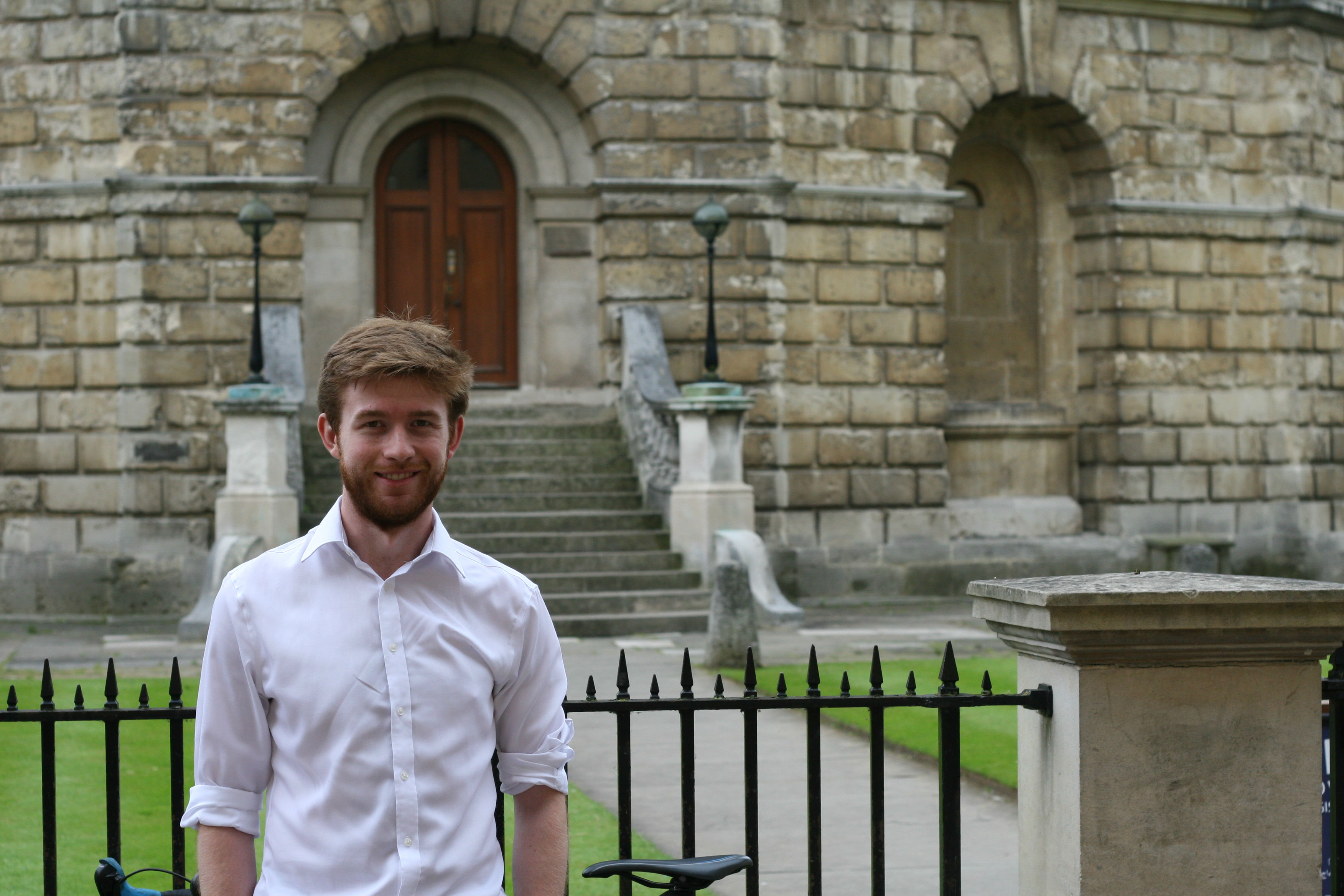
IMG_3286-smaller

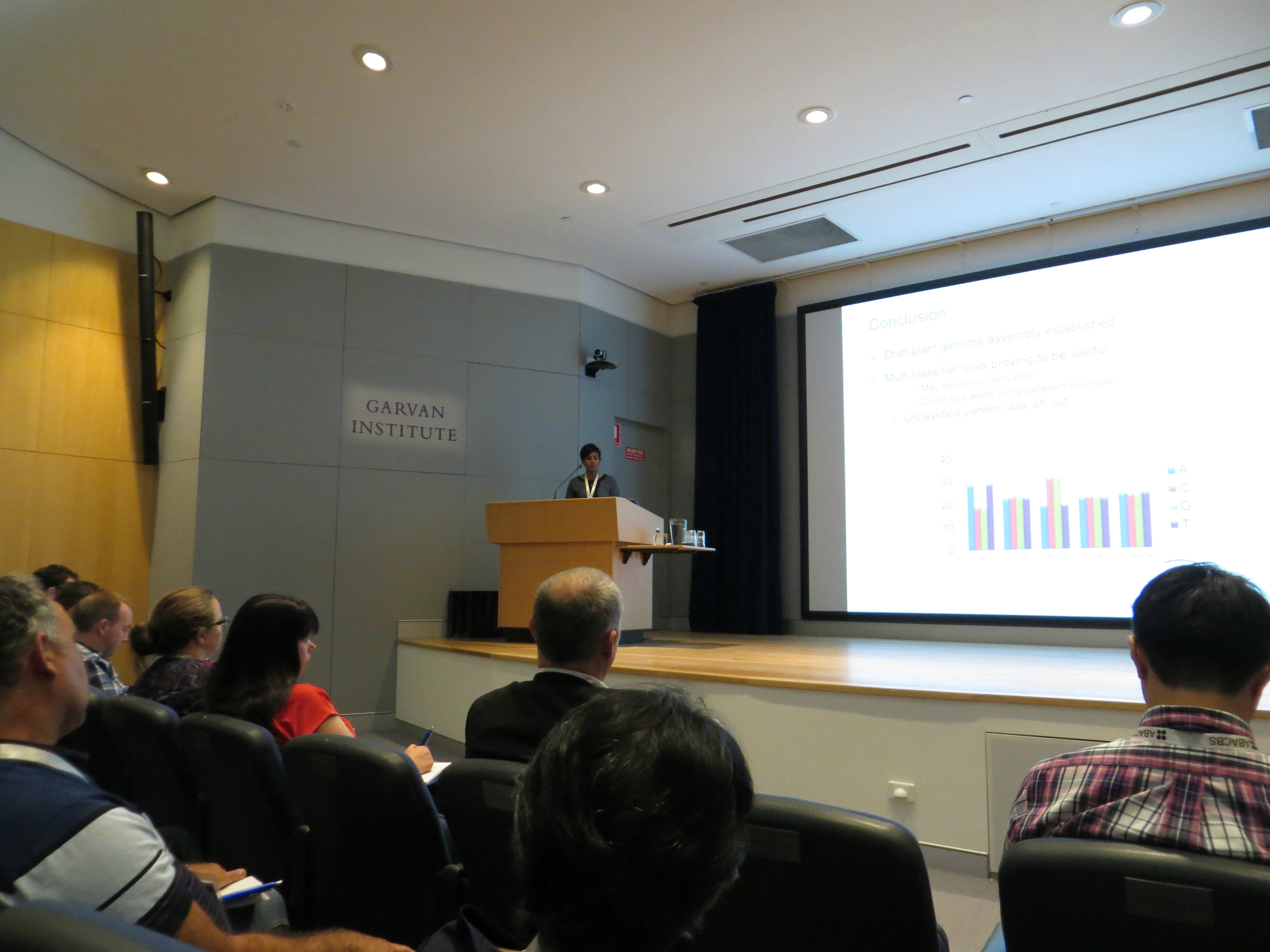
Conferences provide you with a literal stage to gain connections
Continue reading

How travelling can help prepare you for a successful research career

Travelling has enhanced my scientific networks and social awareness, and prepared me to work in an international setting.

Guest contributor Andy Tay

As science becomes more inter-disciplinary, scientists increasingly need to travel to promote their work and build collaborations. Whilst it’s common for professors to travel frequently, graduate students or post-docs may not be aware of the importance of travelling in building a career. Here’s how travelling has helped me — and how it might help you.

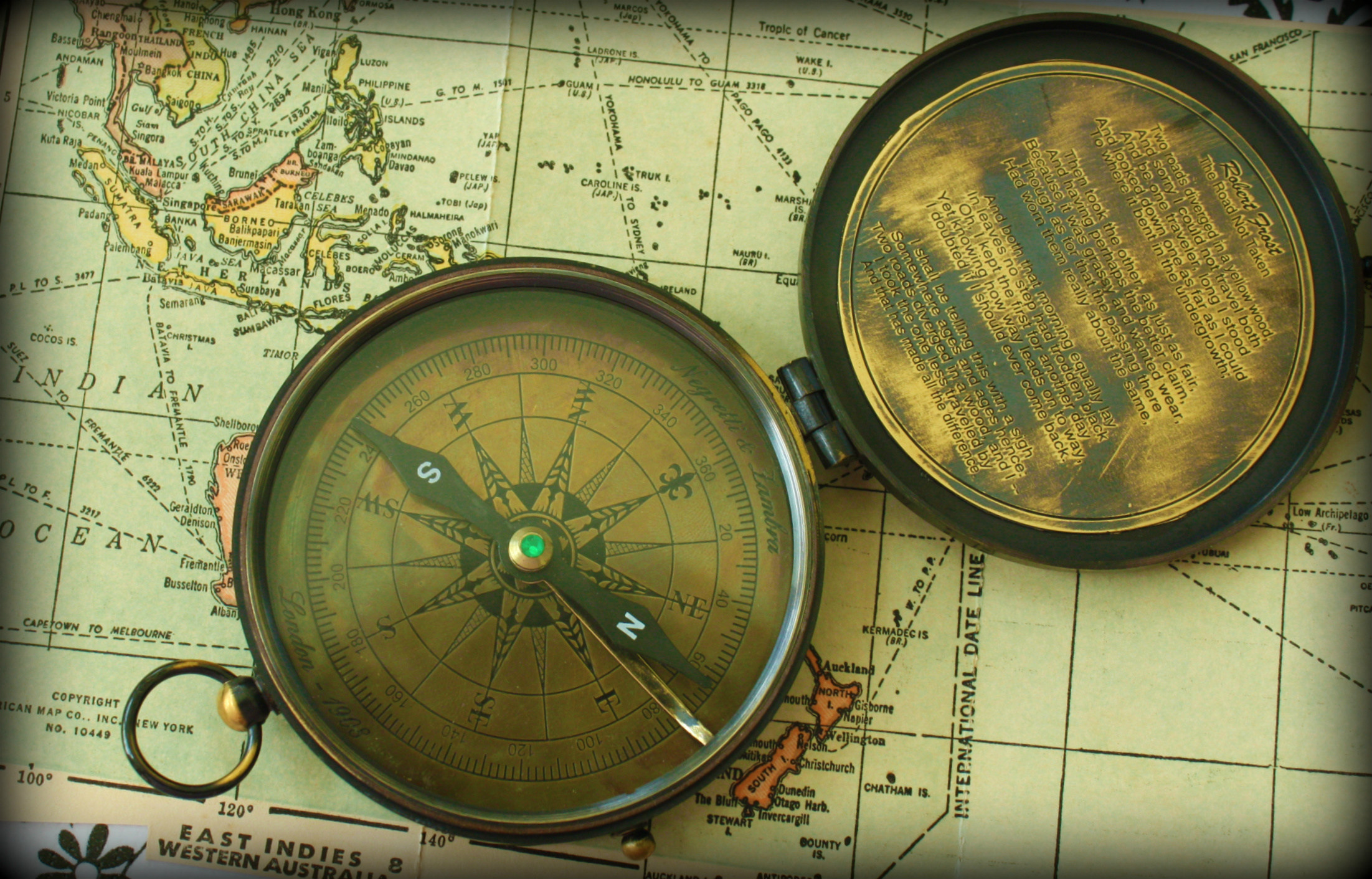
11237194915_b26ca4ae4d_o

{credit}Flickr/British Library{/credit}

Continue reading

Do you think your career was harder as a woman in science?

Academic speakers at the Naturejobs Career Expo, London, 2016, discuss sexism in academia.

https://www.youtube.com/watch?v=rdfqXdibc0k

Continue reading

Keep the lights on

Energy entrepreneurs, take note – you have an opportunity to compete for a cash prize and the chance to network with investors. piggybank

The Deutsche Energie-Agentur (dena), or German Energy Agency, has launched ‘Start Up Energy Transition’, a global business competition open to start-ups and early-stage companies in the energy sector. Continue reading

#scidata16: Work reproducibly for the sake of your career

Making sure others can do your experiments doesn’t just help them — it’s good for you, too.

Publishing Better Science through Beter Data writing competition Jonathan Page

A core tenet of science is reproducibility: the results of one scientist must be able to be reproduced by another, lest the findings be dismissed as a fluke or even fraudulent. In today’s data-driven realms of research, ‘reproducibility’ doesn’t simply mean publishing methods, many journals now require that datasets, and the code used to analyse them, be published too. This requirement ensures that both data, and methods, can be scrutinised. If other researchers can’t reach the same results, the study will need to be treated with caution. In doing this, scientists avoid damaging their reputation by publishing flawed studies, and journals avoid publishing bad science. It’s a win-win situation.

So why don’t scientists always work reproducibly?

JPage_Profile-smaller

Jonathan Page

Continue reading

Let’s be wolves

A man is a wolf to another man, said the Romans and later Hobbes. Maybe they didn’t study Canis lupus as carefully as they should have, says Naturejobs journalism competition winner Sofia Otero.

In an article last year from The New York Times, Rick McIntyre, a biological technician at the Yellowstone Wolf Project, explains that wolves are civil to each other — the alpha male is confident, self-assured, non-aggressive to the pack. He’s a champion with nothing to prove; a leader with a calming effect.

Every lab is a pack of wolves, with a hierarchy determined by your position and the time you’ve belonged in the group. I think we can all learn something from them.

wolf-1341881_1920

The alpha wolf is tough at the right moment: he fights to protect the territory and the group. In the lab, a good principle investigator (PI) is the alpha male (or female — here the wolves could learn something from us) who defends the research: the scientific territory. Continue reading

The “black box” effect in science communication

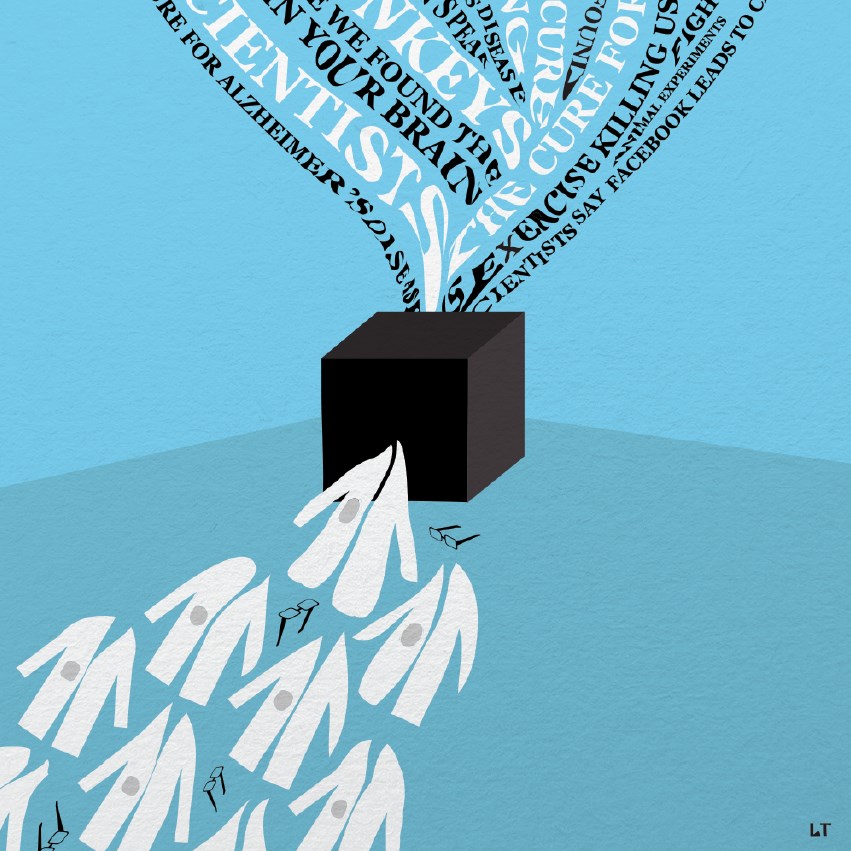
To counter sensationalist journalism and to bring the public closer to the realities of research, science communication must focus on the how and why of science, says Naturejobs journalism competition winner Lev Tankelevitch.

In July 2016 scientists found out how to map the brain into dozens of new areas using neuroimaging. We also discovered that thousands of such brain scanning studies may be flawed. To someone lacking insight into neuroscience, these two equally important studies can seem conflicting. Although “science communication” happens everywhere, science can still feel like a black box to the public, mysteriously churning out breakthroughs which are packaged and relayed by a barrage of tweets and headlines.

image Continue reading

Finding a place to hang my lab coat

Australia might be the land of surf, swim and sun, but something’s making all the scientists flee, says Naturejobs journalism competition winner Catherine Carnovale.

When now ex-Australian Prime Minister Tony Abbot abolished the role of science minister in September 2013, members of Australia’s scientific community fastened our seat belts. This telling sign signalled the first of many cuts to science and innovation before the new government delivered their knock-out punch to the industry in the form of the 2014-15 budget.

4925267732_492be0075f_o-smaller

{credit}Calsidyrose/Flikr{/credit}

Continue reading

Why don’t scientists always share their data?

Reproducibility is the cornerstone of science, and it can be compromised by insufficient data in peer-reviewed publications. Should scientists reveal everything?

Publishing Better Science through Better Data writing competition winner Emma Vander Ende.

One of the foundations of science is its reproducibility. Without it, results are not verifiable and are therefore not believable. But even if a published result is true, there is a chance it might not be reproducible, which introduces a plethora of problems for science.

Irreproducible experiments severely limit the ability of the scientific community to build on results and advance the field. This can happen when scientists don’t share enough data, or details of their experiments in papers, and it happens quite frequently.

So why might a scientist not share their data?

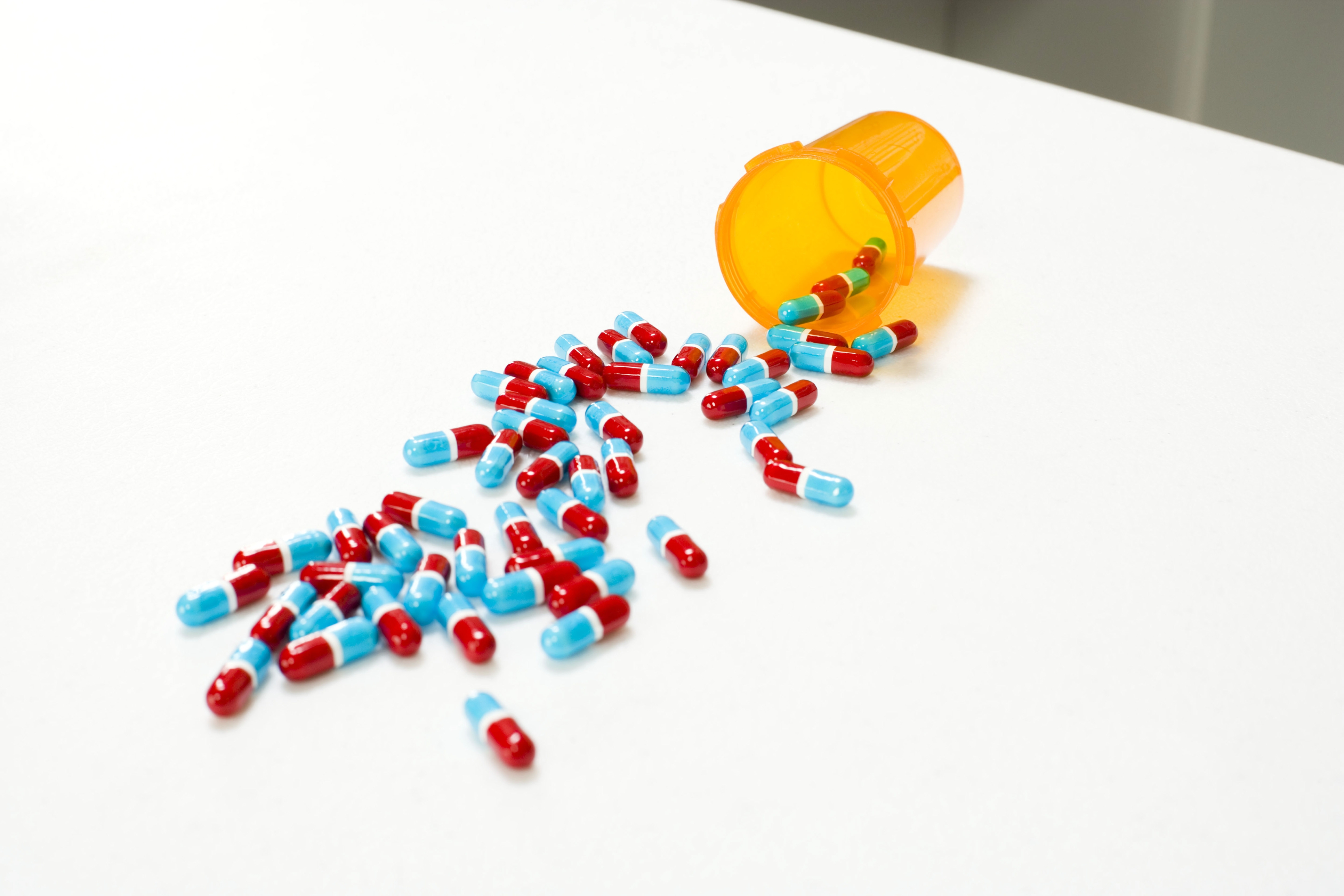
drugs

{credit}Comstock/Thinkstock{/credit}

Continue reading

Bonding in Boston: The importance of networking in science

Naturejobs journalism competition winner Ashish Nair finds new hope at our Boston career expo.

A long time ago in a land galaxy far far away, there was a great gathering where those weary of the well-trodden trail of tenureships and grants repaired themselves. The gathering in question was the Naturejobs career expo, a free one-day event organized for students and scientists alike. Featuring some truly inspiring speakers, it gave a much-needed boost to my hope for a career in science that can be both emotionally and financially (yes, $$$) satisfying.

Continue reading