Abandon ship, or learn to swim: the gamble young scientists must make

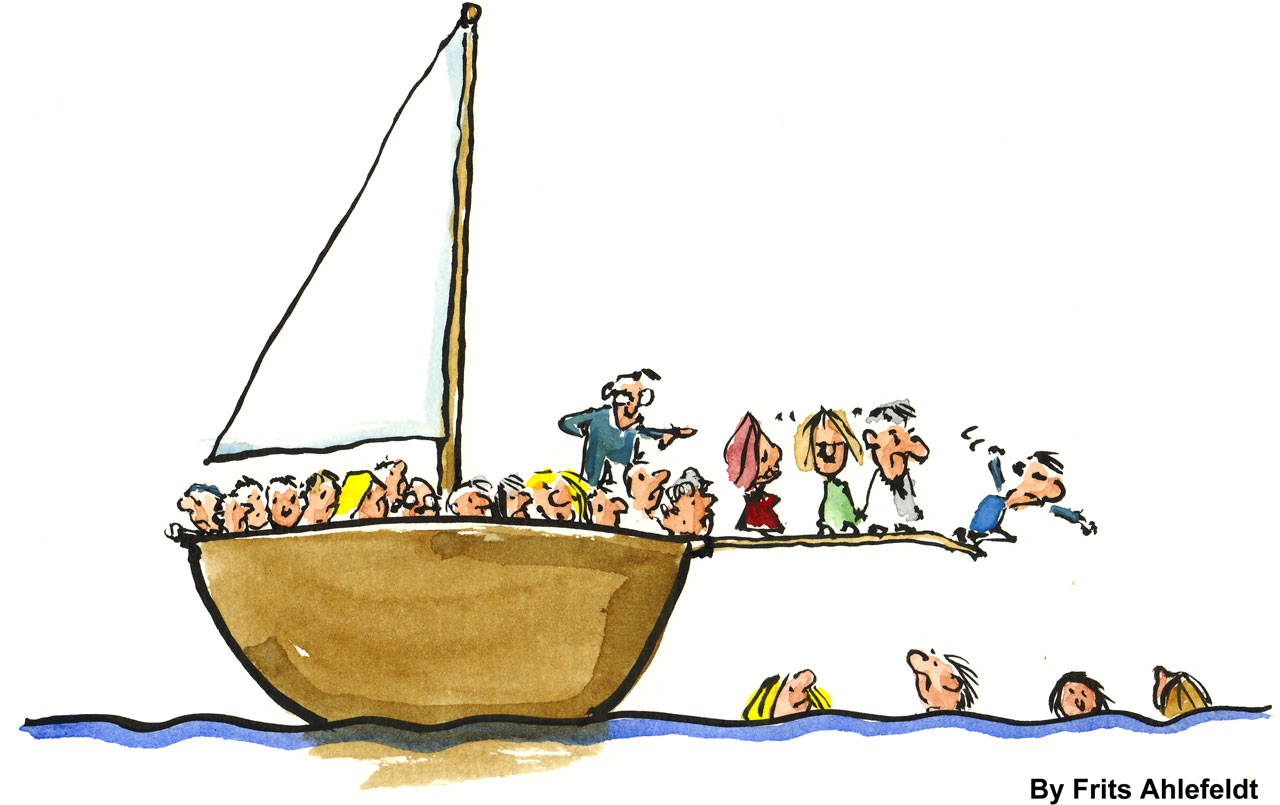
For scientists, there’s nothing more frightening than a major grant rejection. With the scarcity of funding at the forefront of everyone’s thoughts, it’s time to talk about options, says Atma Ivancevic.

Job stability and a career in research are rarely put together. Science is a windy, grueling, uphill climb that might end abruptly at the edge of a cliff. Halloween is a particularly scary time for Australian scientists, as it signals the release of #NHMRC project grant results. Right now, many laboratories are facing difficult decisions due to rejected funding for next year. It’s not a surprise — we see it everywhere — yet it’s a shock that affects the entire scientific community. For early career researchers across the globe, it’s a timely reminder to carefully consider and plan for the future.

So, what are your options?
 

fritsahlefeldt

Continue reading

Surviving academia as an early career researcher: an unreliable guide

Being an early career researcher is exciting but terrifying. Use this guide to make the most of your PhD or postdoc experience, says Atma Ivancevic.

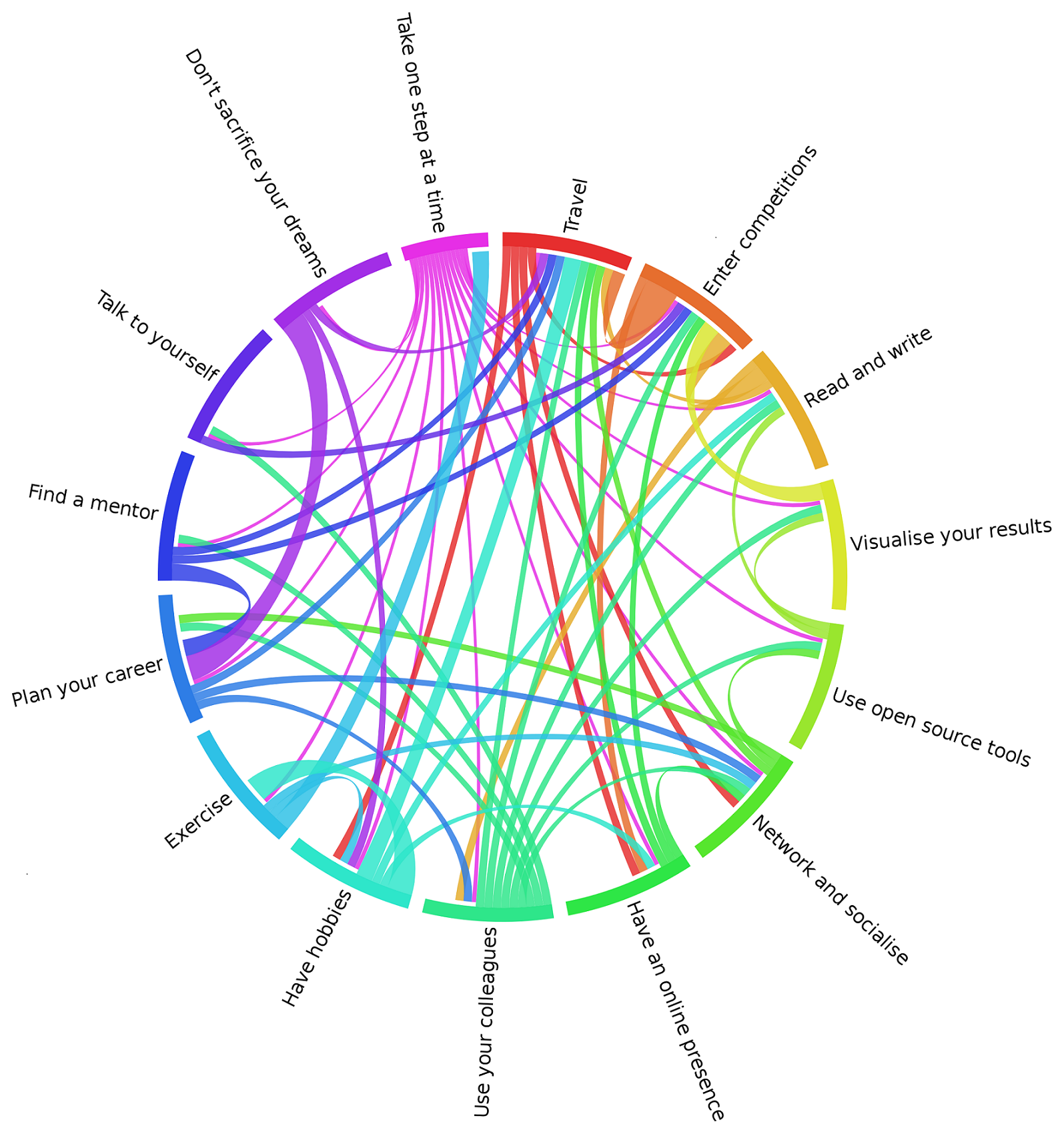
In today’s cut-throat world of grants and publications, being an early career researcher (ECR) can feel more than a little daunting. As an ECR myself, I can’t guarantee that this will help you make it to the other side unscathed. But I’m still here, and if you’re reading this, you probably are too. Outlined below are the things I’ve learnt during the ups and downs of post-PhD life.


circos-table-myxvjxw-smaller

Continue reading

ERC grants competition opens

The European Research Council (ERC) in Brussels, an independent funding body supported by the European Commission, has announced €1.86 billion (US$2.2 billion) in four types of 2018 grants for early- and mid-career principal investigators (PIs).

piggybankApplications for two grant schemes open on 3 August, including ‘Starting’ grants of up to €1.5 million for up to 5 years for PIs who earned their PhD within 2-7 years ago; and a new collaborative programme, the ‘Synergy’ grant, which will fund 2-4 PIs in a cross-disciplinary project. The Synergy scheme, which awards up to €10 million for 6 years, was piloted in 2012 and 2013. The deadline is 17 October for Starting grant applications and 14 November for Synergy applications.

Applications for ‘Proof of Concept’ grants will be accepted starting in September, and for ‘Consolidator’ grants starting in October.

The 2018 grant programme will collectively fund about 900 PIs and is estimated to support 6,000 PhD students, postdocs and other lab members. ERC’s grant-success rate is 10-15%.

To apply for a Starting grant, click here . For a Synergy grant application, click here.  Good luck!


Stepping up for hope

What did the March for Science do?

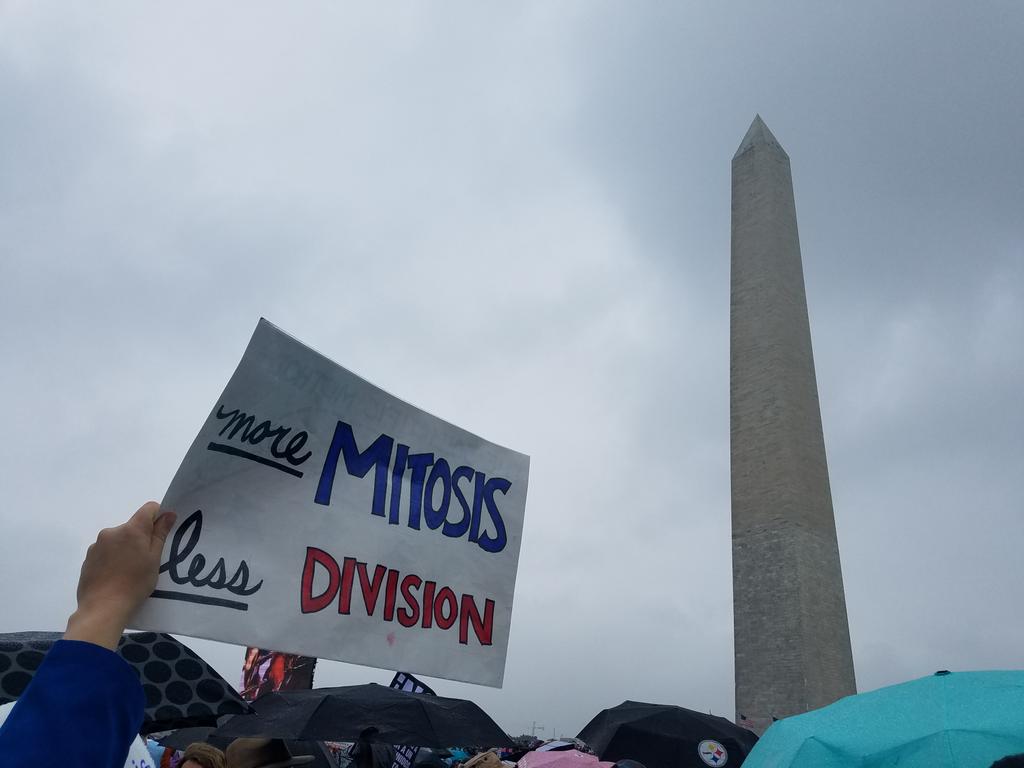
Scientists across the United States are just now returning to their labs after a weekend of marching, waving signs and, in many cases, wringing out rain-soaked lab coats. The steady rain that fell Saturday, 22 April, on the March for Science in Washington DC didn’t dampen participants’ enthusiasm for standing up for “science that upholds the common good and for political leaders and policy makers to enact evidence-based policies in the public interest,” to quote the March for Science website’s mission statement.

march

{credit}Kate Carbone{/credit}


But now that the march is over, scientists have to face some important questions: What message did they deliver, what comes next and what does it all mean for their careers? Continue reading

The next generation of science outreach

Increased communication and outreach efforts require changes in the structure and culture of academic science, says Nicole Forrester.

In the wake of the US presidential election in November 2017, the scientific community has recognized that it has fallen short in communicating the value of science and research. As a result, scientists are now calling for increased public outreach and communication efforts. While this awareness is important, the path forward is not entirely clear.

pexels-photo-77984-smaller Continue reading

On academic job insecurity and the ultimate tenure

Thoughts from Contract No. 17.

By Mila Petrova.

My latest mini-meltdown came after eight years in research employment, at the beginning of Contract No. 17. It came late. I’d lost a couple of thousand GBP from moving out hastily, lived for two months with my mum, moved far from the city of my university to use the affordable seaside lets in winter, and was about to live out of a suitcase in a youth hostel while my “permanent” accommodation became free. Three masters, PhD, top UK University and all. Most read paper of the month and a “will be delighted to hear about your ongoing work” letter from a senior parliamentary official in my inbox.

A coffee cup falling from chalkboard with formula of speed.

Continue reading

Join the March for Science in London (and other UK cities)

The most effective way to protect science is to encourage the public to value and invest in it. This is why we’re marching through London on 22 April 2017, says Story Sylwester.

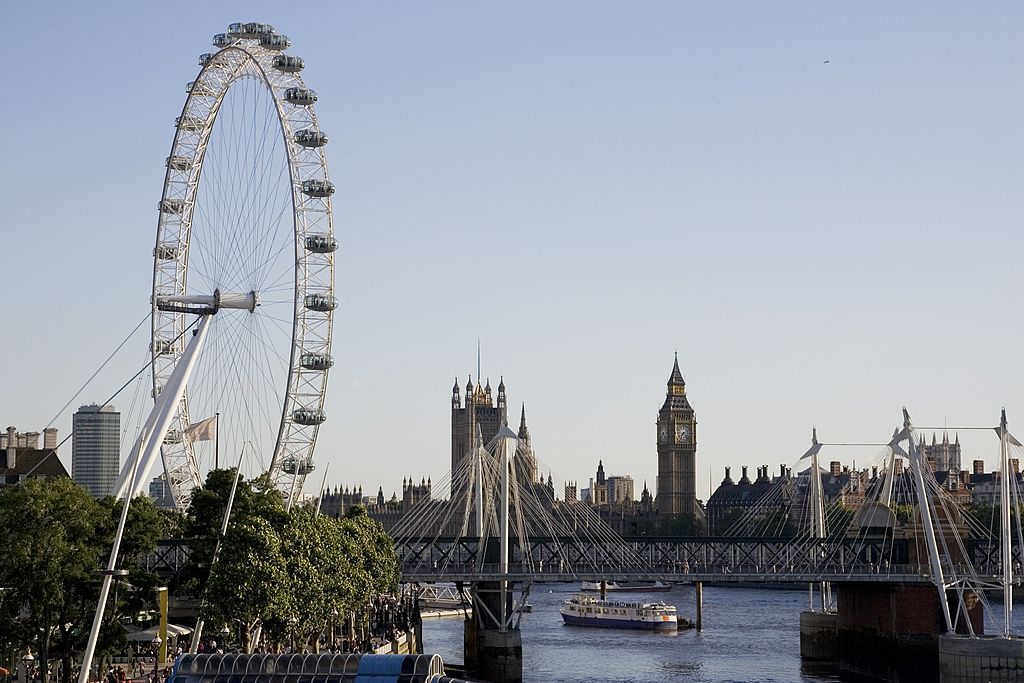
London skyline. Credit: Tim Graham/Getty Images

London skyline. Credit: Tim Graham/Getty Images

As the nature of scientific inquiry developed over centuries from the “solitary genius” model of Sir Isaac Newton to the international collaboration modelled by the Rosetta space exploration mission, UK scientists have been leaders in the development of scientific thinking and methodology. Yet, in an age where science has resulted in new technologies, improved quality of life, and improved understanding of the world around us, it faces some of its toughest challenges. Continue reading

Finding job satisfaction as a humanitarian researcher

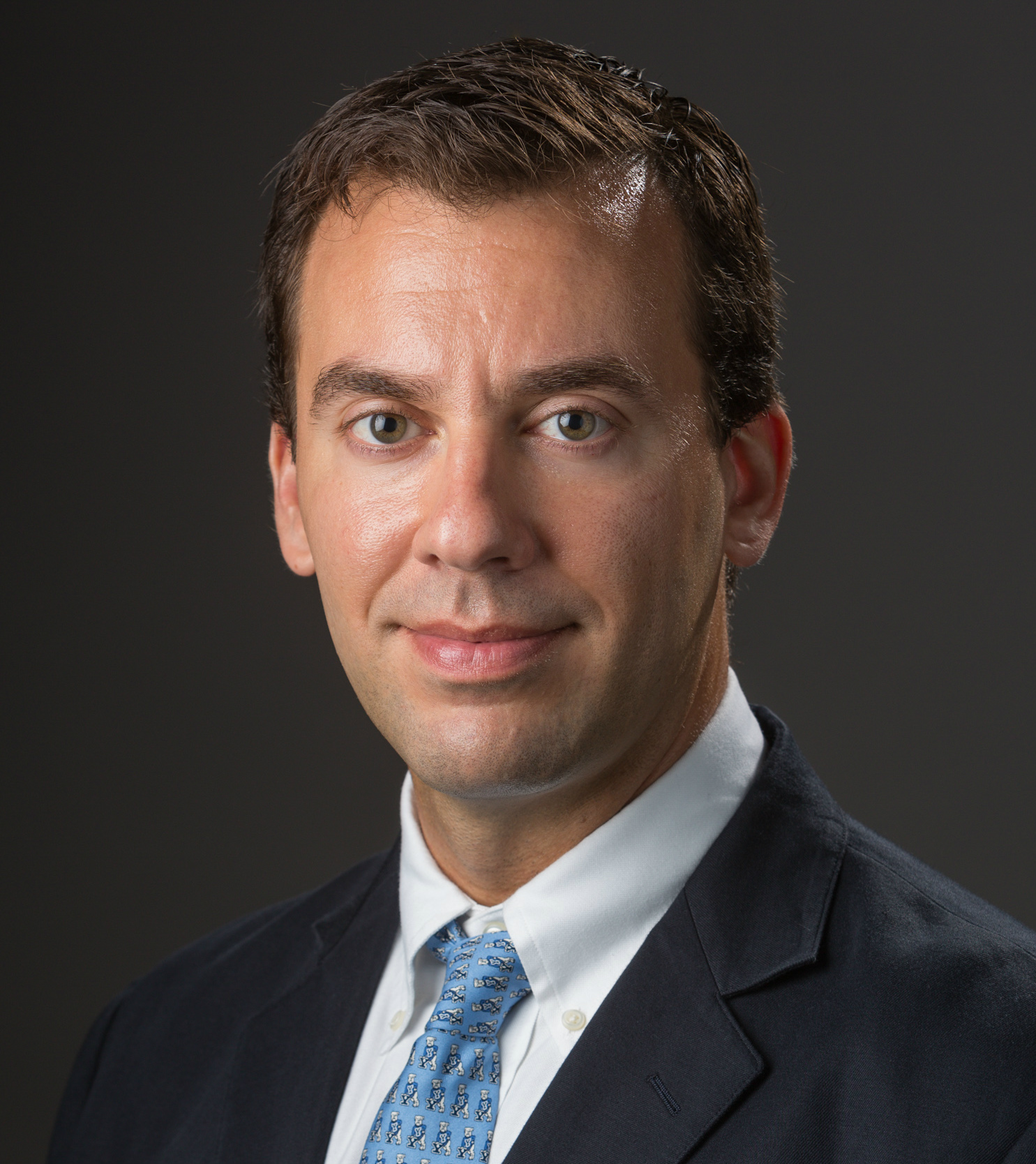
Panagiotis Vagenas left Yale University to advise a non-profit on research design and quality.

What did you do before Yale?

I’m from Greece originally. In 1996 — when I was 17 — I moved to London, UK. I studied biochemistry for my degree and did a PhD in immunology. When I graduated I moved to the Population Council labs at the Rockefeller University in New York to start my postdoc.

pic-smaller-cropped

Panagiotis Vagenas

What did you study?

I worked on basic research in HIV. What’s always motivated me is trying to help people — to have a meaningful career in that sense. So in summer 2010 I moved to Yale School of Public Health and did a master’s in public health (MPH), and went on to join the faculty at the Yale School of Medicine in 2013. Continue reading

Ghost research: taking stock of work that disappears

Why every researcher should keep an old bulletin board.

Guest contributor Eli Lazarus

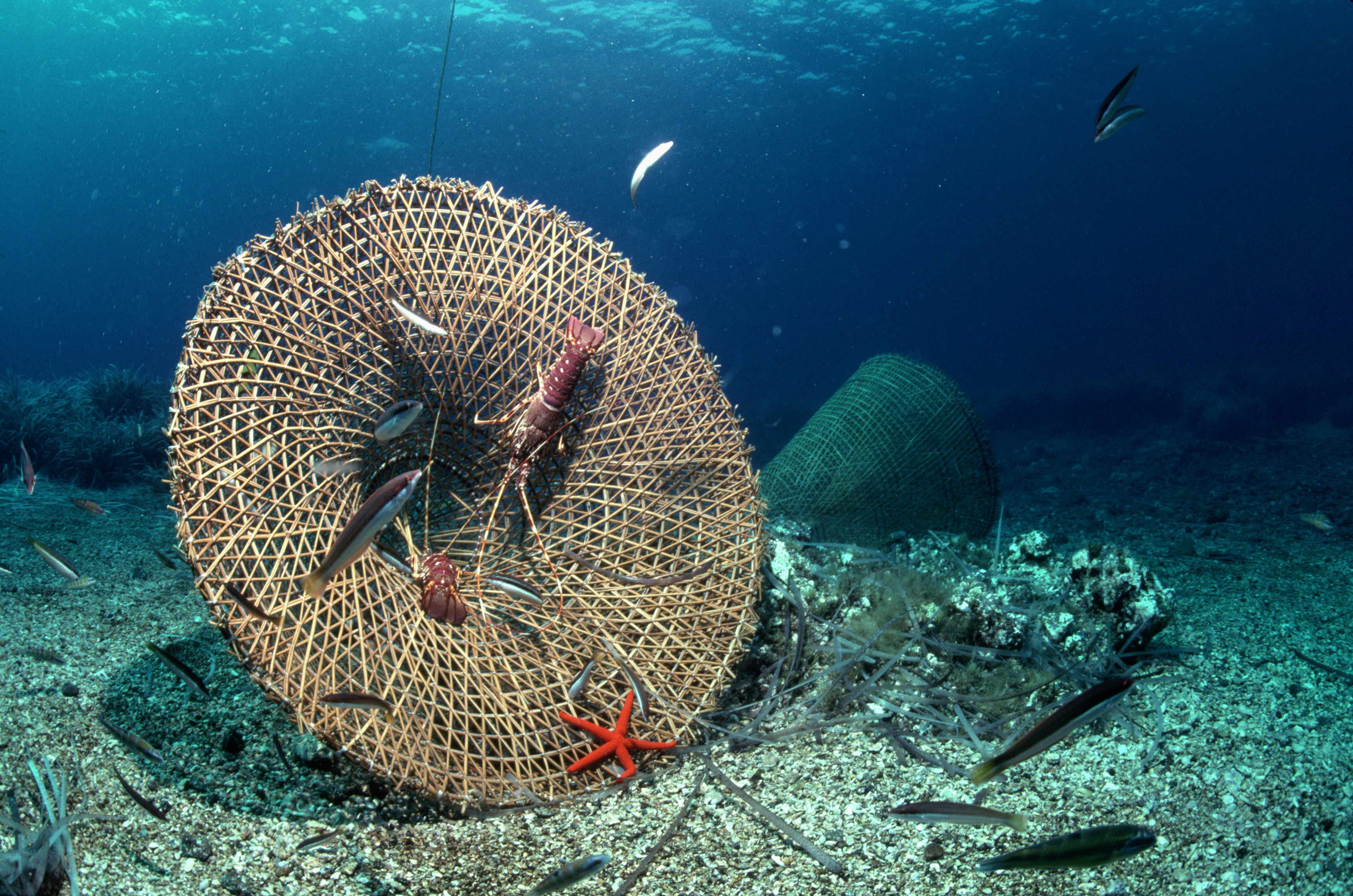
I recently found a short article my father wrote for National Fisherman, in 1988, which reported on a new kind of lobster trap with a “catch escape panel” aimed at reducing bycatch. My dad had a steady freelance gig at the time with National Fisherman, and the article was one of several he wrote while researching “ghost traps” – lobster traps, specifically, but really any lost fishing gear (nets, lines) that disappears underwater for reasons random, accidental, or deliberate.

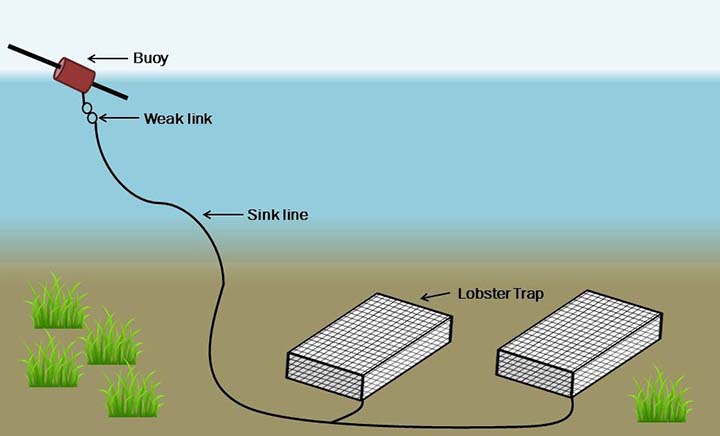
With lobster traps, it’s easy to imagine what happens. To retrieve traps and the lobsters in them, a fisher works her way along from floating buoy to buoy. Each is connected to a heavy “sink line” that is in turn fixed to a trap, which sits on the seabed, catching lobsters. If something – a propeller from a passing boat, for example – parts the sink line, then the buoy drifts off with the current and the trap is lost.

GettyImages-519978966-smaller

{credit}Getty images/Jeff Rotman Photography{/credit}

Continue reading

How do I get money for my academic idea?

Speakers in the funding sphere explain the best way to find funding at the Naturejobs Career Expo, London, 2016.

https://www.youtube.com/watch?v=XaEKtx-OfaU

Continue reading