Multidisciplinary research: pros and cons

By bringing together experts from different disciplines we can find the solutions for today’s global challenges. Having spent a year in a multidisciplinary research group, Mit Bhavsar shares his thoughts on the advantages and disadvantages of multidisciplinary research in science.

3844579694

The increasing popularity of mixed scientific disciplines like mechatronics, bioinformatics, biomedical engineering and biophysical chemistry is evidence of the importance of multidisciplinary. And, based on the number of multidisciplinary conferences taking place around the world, it seems that many policymakers agree that bringing scientists from a variety of different backgrounds together is a crucial part of fixing the world’s problems. Continue reading

Human Pipettes: Scientific training and education in biomedical research

David Rubenson and Paul Salvaterra share their thoughts on a damaged and damaging research system

A recent cancer research symposium displayed a familiar asymmetry. 90% of the attendees were PhD students or postdocs sitting obsequiously in the rear and asking 10% of the questions. 10% of the attendees were front-sitting faculty providing 90% of the inquiries.

A simple case of youthful hesitancy and opaque presentations requiring years of experience to comprehend? But did individual Principal Investigators (PIs) meet with conference planners before advising their students to attend? Did conference planners consider the likely audience and ask speakers to modify their talks? And did faculty members attend the related trainee poster session?


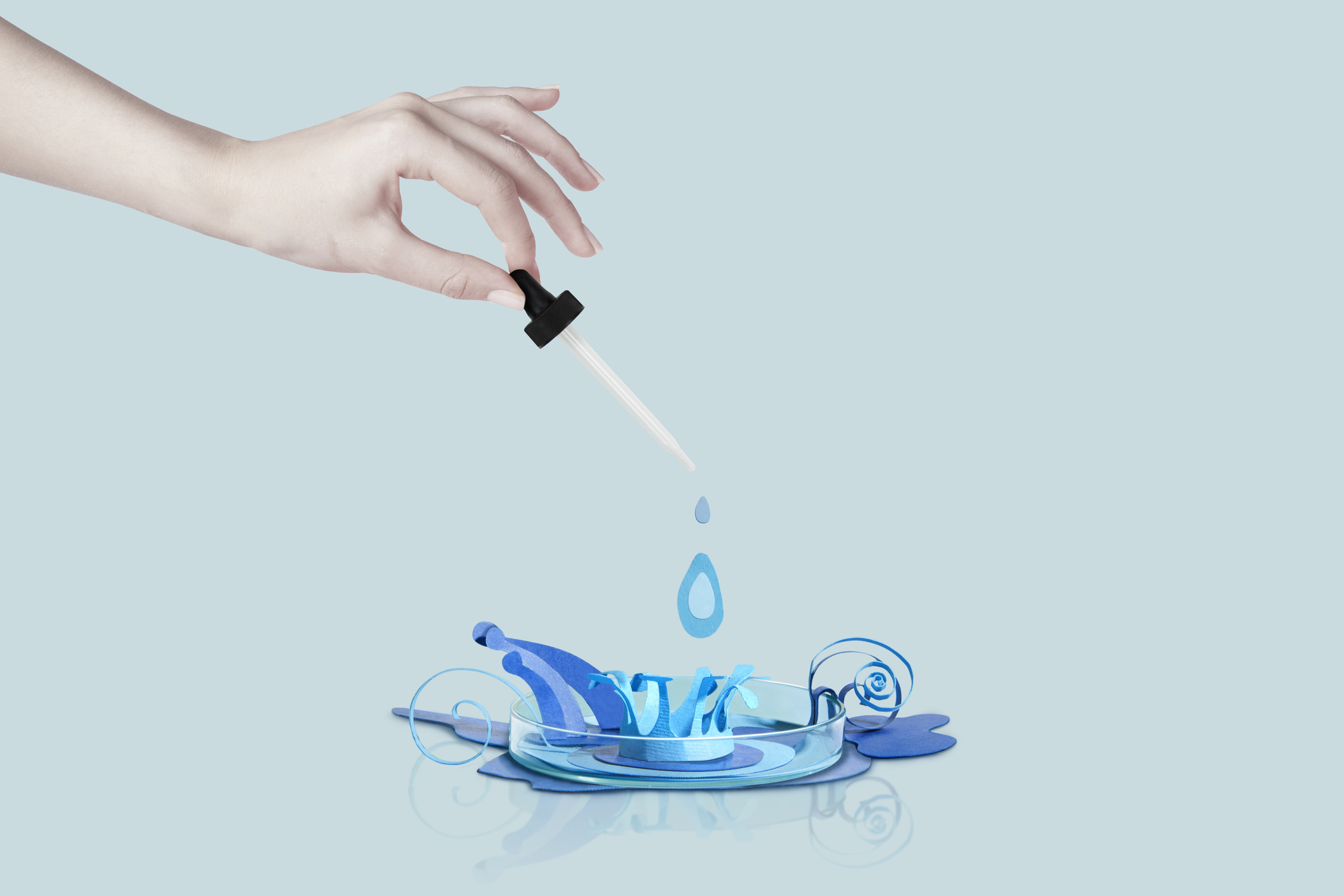
Are junior scientists little more than human pipettes?

Are junior scientists little more than human pipettes?{credit}Paper Boat Creative/Getty{/credit}

Continue reading

Naturejobs podcast: Sacrifices for science

Naturejobs-podcastA wide range of initiatives exist to help early career researchers achieve their goals, but there are practical challenges and difficult decisions to make along the way.

In this podcast we hear from Burcu Anil Kirmizitas, who describes the struggle to find affordable housing for her and her family in three of the world’s most expensive cities. We also hear from Ibukun Akinrinade, a neuroscience PhD student at the Gulbenkian Institute of Science in Oerias, Portugal. Ibukun needed to access training that was not available in her home country of Nigeria and had to leave her husband and young son behind. This month’s career expert is  James Gould, Director for the Office for Postdoctoral Fellows at Harvard Medical School and Harvard School of Dental Medicine. James answers a question about transferable skills from Simon Peyda, a research assistant at the Karolinska Institutet, Sweden. Submit your question to the Naturejobs editor here.

Continue reading

From Doctorate to Data Science: A very short guide

Moving from a PhD into data science can be rewarding, but might be a bit of a culture shock

Are you one of the many PhDs considering a career in data science? I completed a PhD in neuroscience at Stanford three years ago; now I’m a data scientist at Uber. During my time in industry, I’ve found that the skills we develop in graduate school, such as analytical thinking, statistics, communication skills, and – oh yes – tenacity in the face of adversity, make us a great fit for the role.

smaller

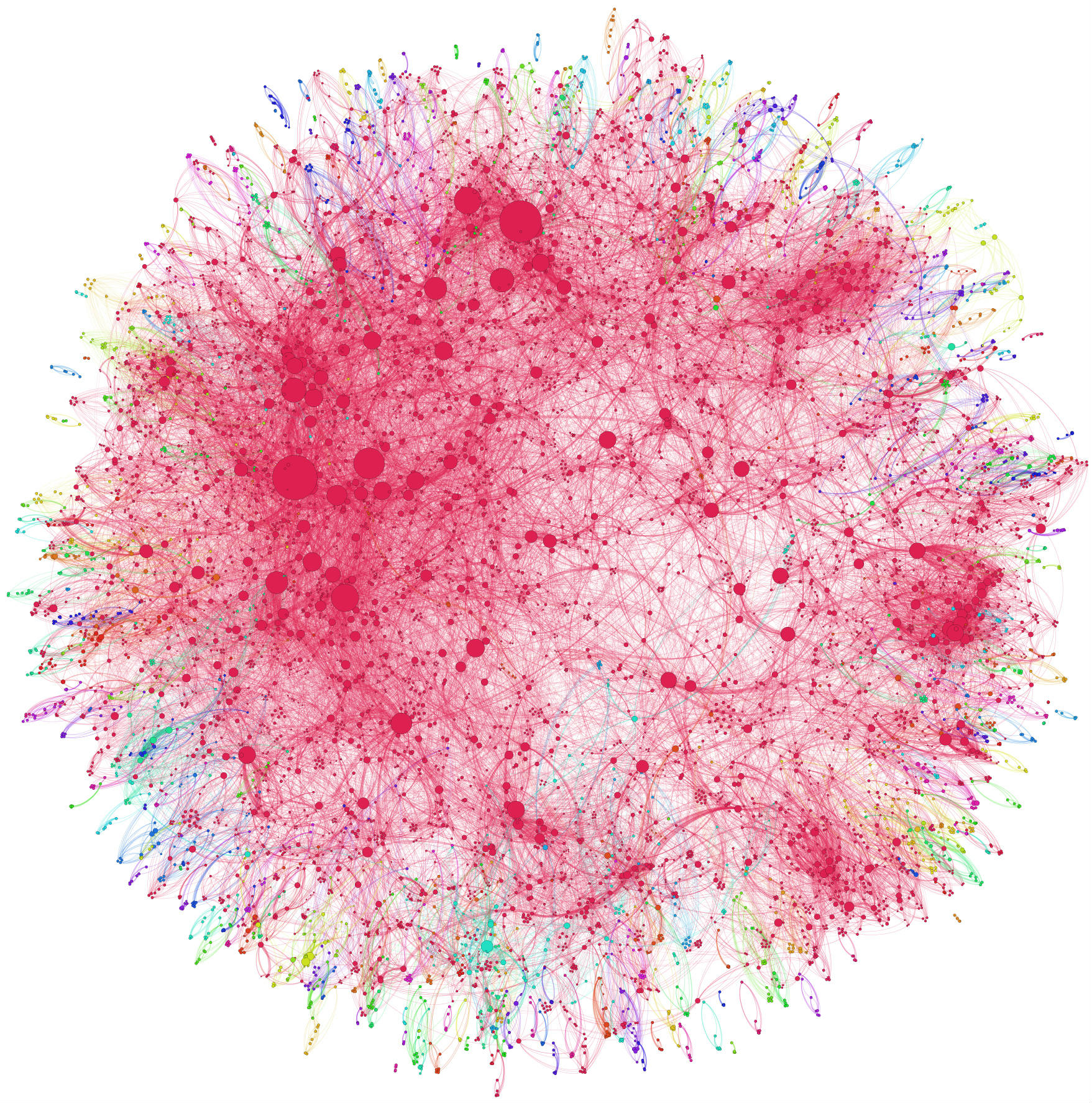
The co-authorship network of 8,500 doctors and scientists publishing on hepatitis C virus between 2008 and 2012. {credit}Andy Lamb/ Flickr{/credit}

Continue reading

Ageism in academic jobs in India

Farah Ishtiaq shares her experience on how age and success are linked in acquiring faculty positions in India

India has recently been portrayed as a land of abundant opportunity in academia, investing seriously in research and development to attract skilled scientists. The government has introduced several attractive funding opportunities, with the aim of bringing back scientists working abroad to establish a long-term career here, and improving the overall research infrastructure. Wellcome Trust/DBT India Alliance (WT/DBT) fellowships, for example, have no age or nationality restrictions, relying on qualifications, research experience, career trajectory and the candidate’s determination to establish their own independent research.

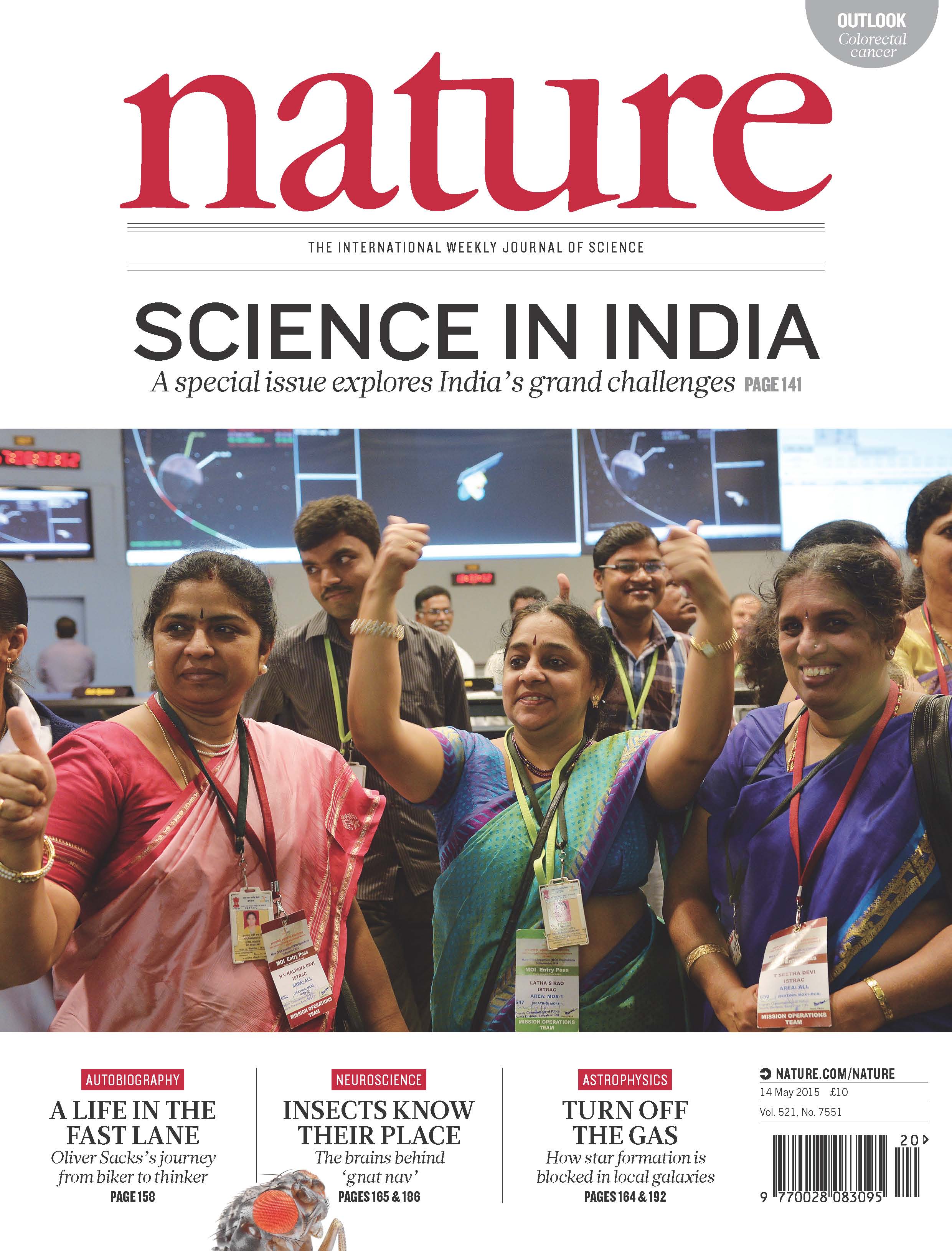
A Nature special issue in 2015 explored some of the unique opportunities - and the unique problems - of working as a scientist in India

A Nature special issue in 2015 explored some of the unique opportunities – and the unique problems – of working as a scientist in India

Continue reading

The three-year PhD program: good for students? Or too good to be true?

Calls to modernize the PhD to meet the demands of the job market are being answered by the introduction of a more streamlined three-year PhD program. But such changes are not necessarily in the best interests of students, say Alice Risely and Adam Cardilini

PhD students are the backbone of the research industry, often responsible for compiling precious datasets for their lab and learning the cutting-edge techniques required for analysis. But completing a PhD is hard, and getting harder as scientific standards creep steadily upwards. It takes over a year longer for current students to publish their first scientific paper than those 30 years ago because of the increasing data requirements of top journals. Across Europe and Australia, this is one reason why students are taking an average of four to six years (or longer) to complete their PhDs, despite candidature contracts usually being a maximum of four years, and government scholarships lasting at most three and a half years.

Delays in completion reflect badly on universities, and can threaten future funding. They can also threaten the job prospects of graduates, who are increasingly expected to have excellent time and project management skills for careers outside academia. In an attempt to combat lagging completion times and increase employability of graduates, universities are redesigning the PhD by rolling out three-year PhD programs. These shorter programs are intended to provide increased structural support to students, whilst also promoting broader and more applied skills required by non-academic employers. The catch is that these PhDs must be completed within three years, unless the student faces project delays that were unequivocally beyond their control. But is the three-year PhD program really in the best interests of all, or even most, students?
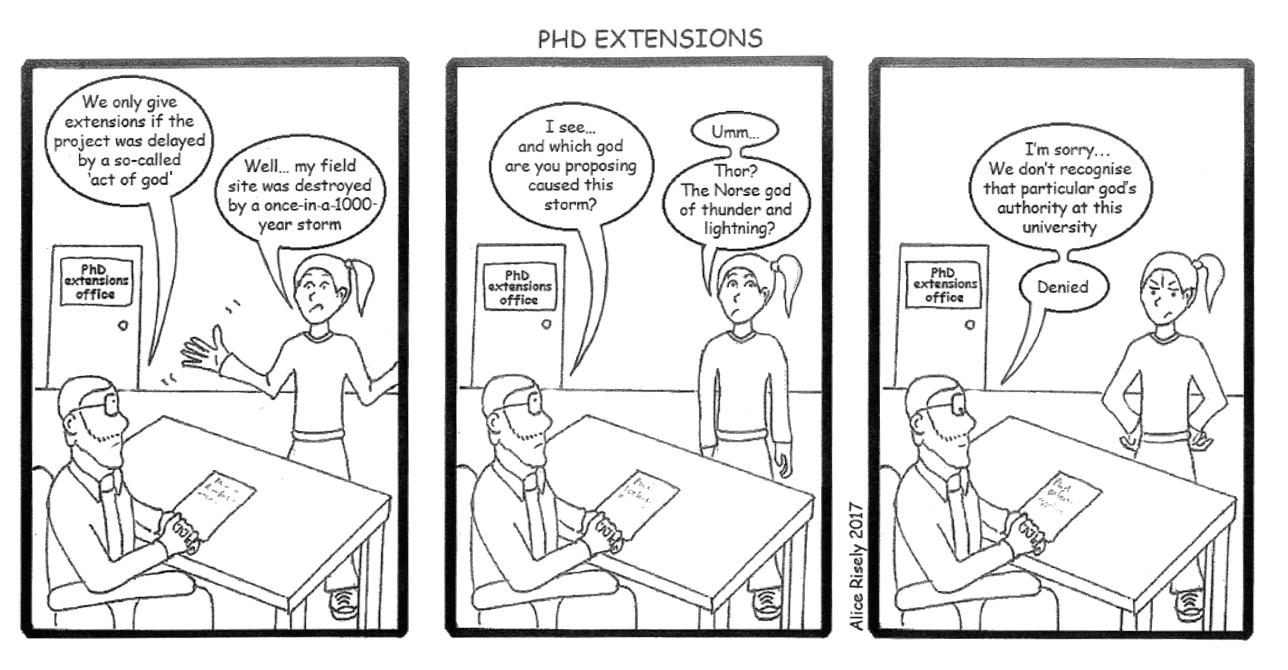
It will be harder to get PhD extensions under the new model.

It will be harder to get PhD extensions under the new model.

Continue reading

An overseas research intern’s journey in Japan

My overseas internship experience significantly increased my knowledge of research culture and lifestyles in foreign countries.

Guest contributor Andy Tay

Previously, I shared my thoughts on the usefulness of an overseas working experience to establish networks with international experts, and to develop cultural awareness — both of critical importance in a researcher’s career. This year, I decided to head to Japan, Tokyo to work on stem cells as a summer intern at the RIKEN Brain Science Institute (BSI).

If you’re thinking of an overseas internship, especially in Japan, my hope is that this will be of help to you.

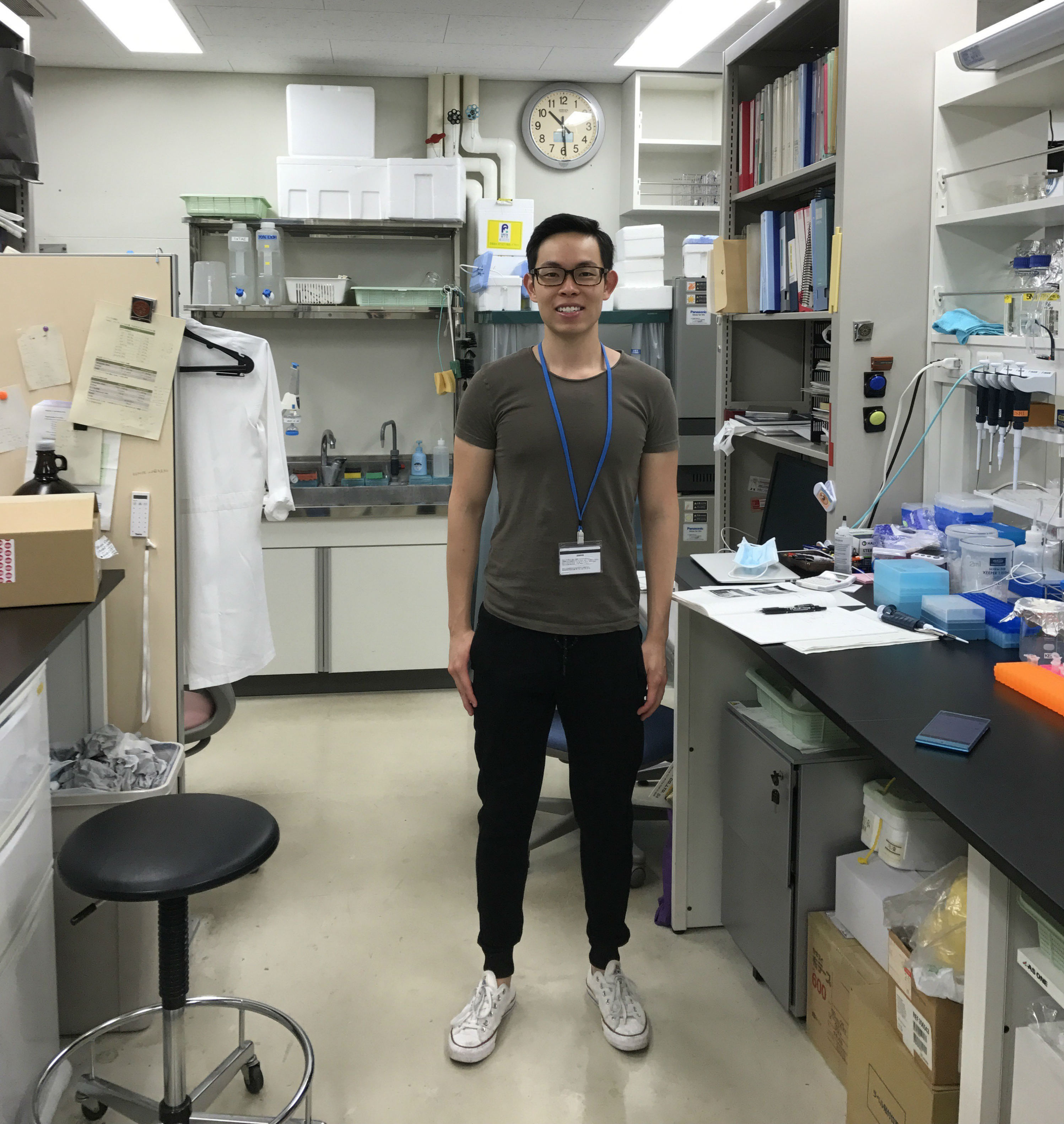
andy in japan-smaller

Andy in his new lab

Continue reading

Q&A: Progress for Congress

A neuroscientist wants to see change in the government — and he’s creating it.

Thomas Prigg is a brain cell circuitry researcher at Carnegie Mellon University in Pittsburgh, Pennsylvania, US. Now he’s using his science skills to fuel his campaign for Congress in 2018. He talks to Nikki Forrester. Continue reading

Scientific play is a serious business

Iva Njunjić’s dream to explore caves and work on cave beetles took her far from her home country of Serbia — to the beautiful island of Borneo.

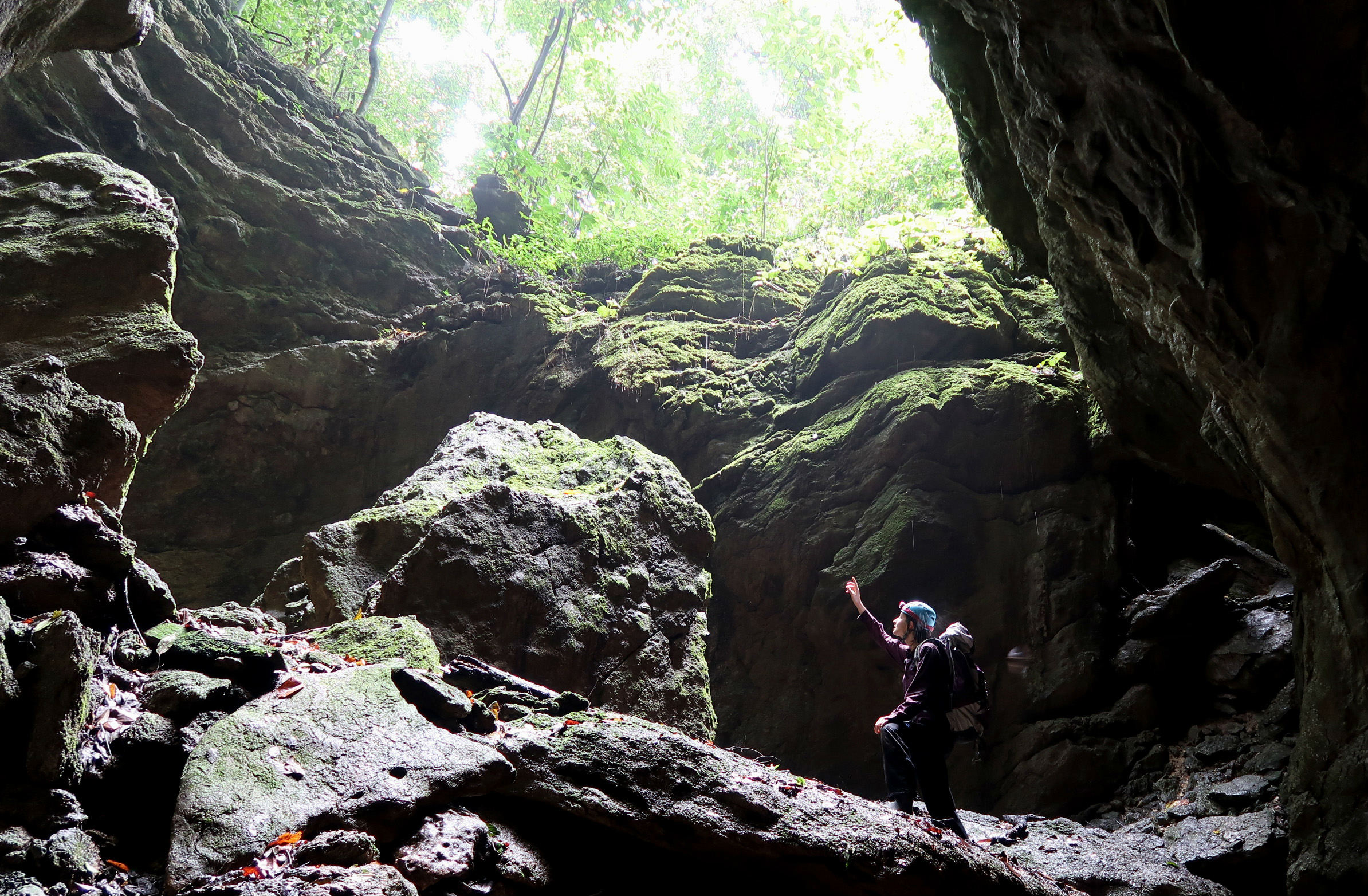
Bod Tai cave on Borneo-smaller

This photo was taken during field work in Sabah, Malaysia where Prof. Menno Schilthuizen, his PhD student Mohd Zacaery bin Khalik and I went to explore caves and hunt for new species of cave invertebrates. We spent many days around a small village on the Kinabatangan River, trying to locate caves in numerous limestone hills and gather information about the organisms that live there. Continue reading

Five rules for starting up in synthetic biology

Building a synthetic biology startup is tough – but stay the course and it’ll be the most rewarding struggle of your life, says James Field.

Since the advent of life 3.6 billion years ago, the survival of all species has depended on rapid innovation at the genetic level. As a consequence, our planet has grown rich with evolved technologies.

Traditionally, the dream of harnessing these evolved technologies has been confined to thought experiments and science fiction. Now, the emerging field of synthetic biology is giving engineers the tools required to tap into evolution’s code-base.

forest-1245951_1280 Continue reading