Being a foreign scientist in Trump’s America

How is the Trump administration affecting foreign scientists working in the US?

A Spanish bioscience postdoc on a non-immigrant J1 visa, based in California, who wishes to remain anonymous, shares her perspective as a foreigner in the US in the current political climate with science writer Louisa Cockbill.

We’re now three months into Trump’s presidency.  What effect has it had on you?

On election night I was very disappointed and upset. It was frustrating not to have the right to vote as the political decisions made in this country affect my life. The uncertainty of what happens now is kind of scary. In general I still feel welcomed and still love living here. However, as an immigrant, a woman and a scientist it’s not surprising that I’m a little worried – these aren’t positions that seem to be supported by the administration. I check nearly every day to see if they have decided to change something with my visa or green card applications that may affect me personally.

The inauguration of President Trump
Continue reading

The worldwide web of science

International networking should be a priority for young scientists, says Aliyah Weinstein.

Early career scientists are often told that networking is important for future career prospects and mobility. Often, this comes in the form of a nudge to attend university seminars, events for local scientific professionals or national conferences. These are typically great for meeting scientists working in your city or country – but developing an international network can often be much more difficult. First, scientists are most often around others working at their university or research centre, making this their primary network. Second, travel to attend international conferences may be cost-prohibitive, especially for early career scientists. Finally, connecting with colleagues outside of the country may not be on the radar of students and postdocs, or may seem overwhelming at that stage of a scientific career.

network-1911678_1920 Continue reading

Securing workplace rights for scientists in the age of Trump

Unions could be the best way to protect scientific jobs in uncertain times, says union president Anke Schennink.

In the wake of Donald Trump’s election, the scientific community is on edge. The future of federal science funding remains unclear, campus inclusivity is under threat, immigration policy is in disarray, and entire academic fields – such as climate change research – fear the worst.

2017-03-24 SF Barg Action pic

UC Postdocs in solidarity at UCSF on a day of bargaining.

Continue reading

Development and debate about the March for Science

The March for Science’s date has been set for April 22nd. Nicole Forrester speaks to scientists planning to take part.

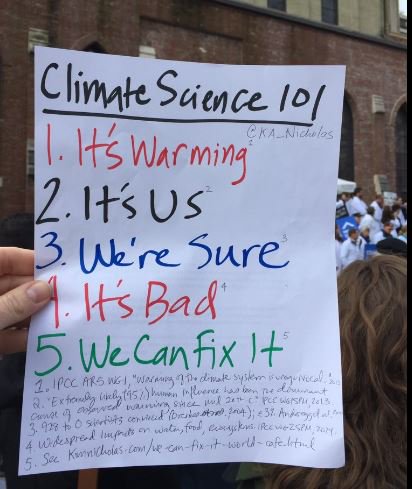
It’s fair to say the scientific community is spending a lot of time talking about the March for Science, due to take place on April 22, 2017. While organizers are preparing for events in Washington, D.C. and satellite locations around the world, scientists are evaluating their roles in politics and public outreach. I reached out to scientists and science supporters to discuss the march and the impact of recent political decisions on science, scientific policy, and our careers as scientists.

According to their website, the March for Science was founded as “a celebration of our passion for science and a call to support and safeguard the scientific community.” For many scientists, though, it’s about supporting the scientific process itself and advocating for its importance. Joel Sachs, an Associate Professor of Biology at the University of California, Riverside, says, “Science is just a way of learning about the world and is incredibly important to make predictions about what’s going to happen in the future — in terms of our climate, disease, and how to manage crops and livestock.

{credit} Bill McKibben/ Twitter: https://twitter.com/billmckibben/status/808791393569243140?lang=en{/credit}

Continue reading

Finding job satisfaction as a humanitarian researcher

Panagiotis Vagenas left Yale University to advise a non-profit on research design and quality.

What did you do before Yale?

I’m from Greece originally. In 1996 — when I was 17 — I moved to London, UK. I studied biochemistry for my degree and did a PhD in immunology. When I graduated I moved to the Population Council labs at the Rockefeller University in New York to start my postdoc.

pic-smaller-cropped

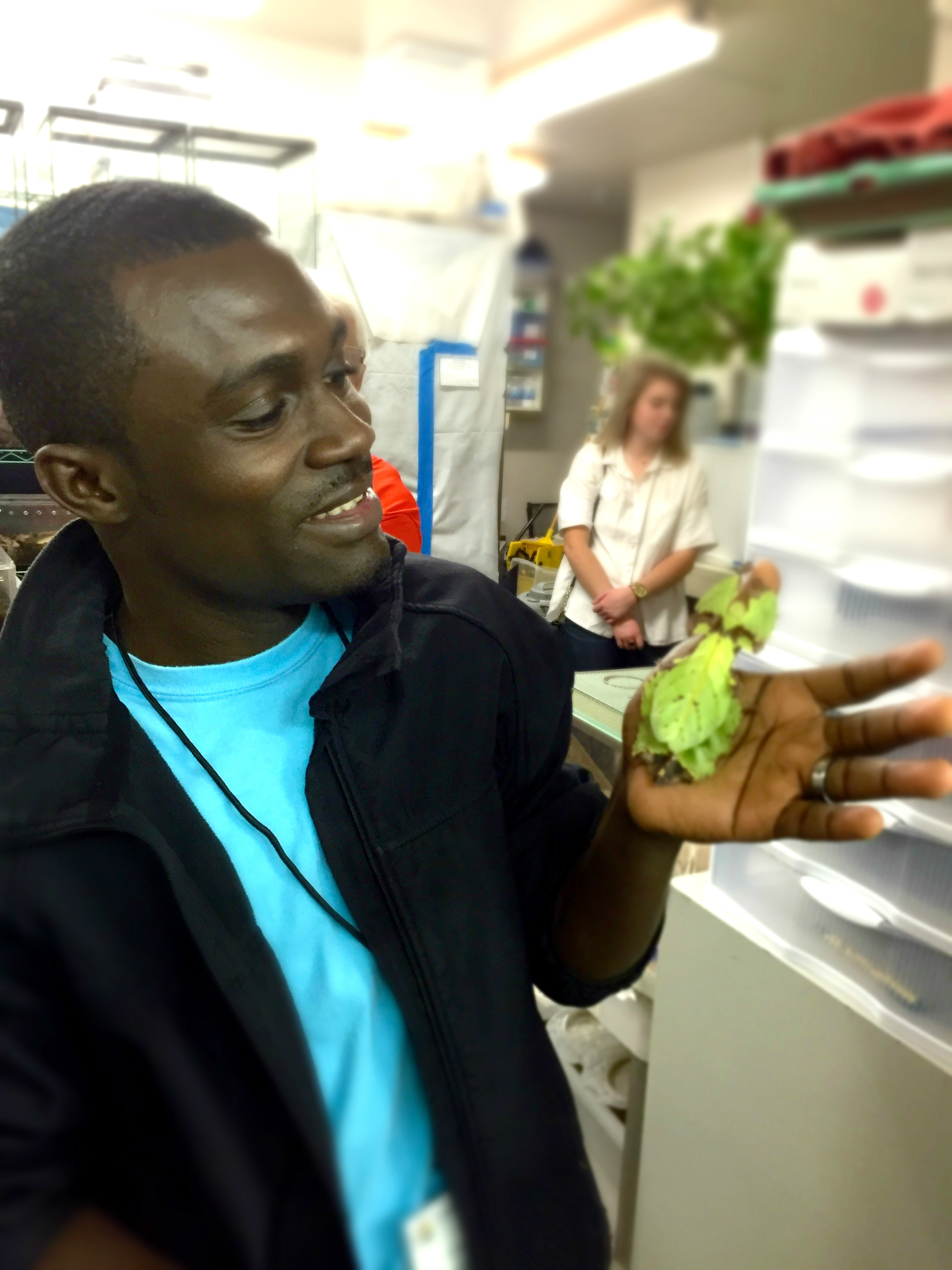
Panagiotis Vagenas

What did you study?

I worked on basic research in HIV. What’s always motivated me is trying to help people — to have a meaningful career in that sense. So in summer 2010 I moved to Yale School of Public Health and did a master’s in public health (MPH), and went on to join the faculty at the Yale School of Medicine in 2013. Continue reading

Travel ban update: One week later

Elizabeth Goss updates us on recent developments with the US immigration ban

In the week following the US administration’s executive order on immigration, which included a travel ban for individuals from seven designated countries, we saw a flurry of activity and responses.

US_passport_extra_pages Continue reading

Successful vs. effective research presentations

In a disturbing trend, biomedical researchers can achieve a degree of career success despite an inability to effectively communicate scientific information, say David Rubenson and Paul Salvaterra.


“I have only made this letter longer because I have not had the time to make it shorter.”

– Blaise Pascal, The Provincial Letters, 1657

It goes without saying that every biomedical researcher wants to give effective presentations. Or does it? Is a presentation effective if it merely wows the audience with dense data, causes minimal objections, but fails to convey true scientific understanding? While such presentations may provide a degree of career success, they rarely inspire systematic or creative thinking. Scientists are wasting significant time listening to presentations that fail to effectively communicate information.

messy-cropped Continue reading

Donald Trump’s immigration ban and its impact on the scientific community

trumpmarch

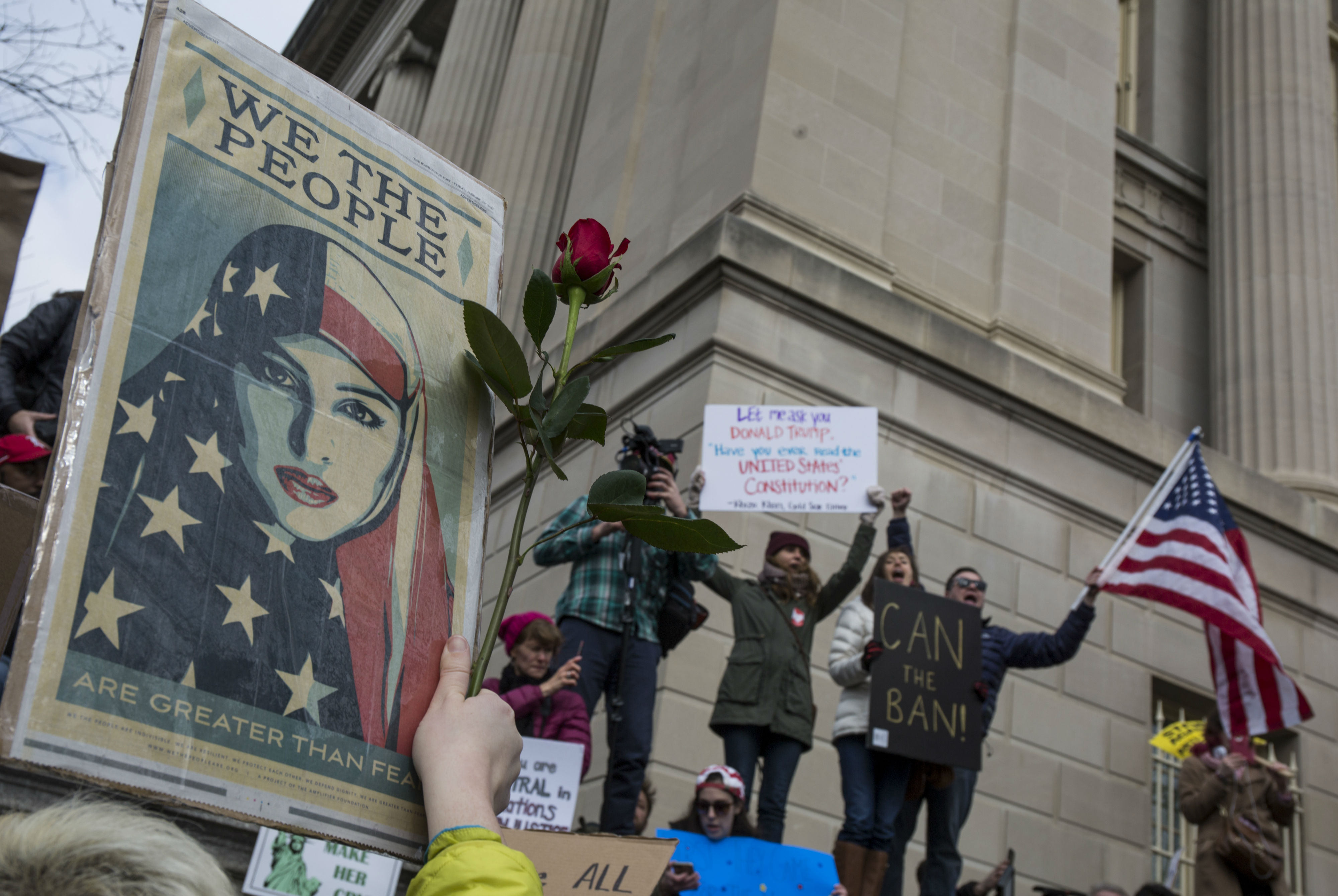
Demonstrators protest outside The White House on January 29 2017

Immigration attorney Brendan Delaney summarises the issues for scientists affected by the US travel ban.

Continue reading

Away from home: Lovelock during postdoc

We’re bringing you the best stories in lab mobility from Nature India

The ‘Away from home‘ blogging series features Indian scientists working in foreign labs recounting their experience of working there, the triumphs and challenges, the cultural differences and what they miss about India. They also offer useful tips for other scientists headed abroad. You can join in the online conversation using the #postdochat hashtag.

We promised than when we hear something exciting or interesting from an Indian postdoc abroad, we will bring it to you. So here’s the first ‘sporadic’ entry coming from Anupam Jhingran, a postdoc fellow at the Memorial Sloan-Kettering Cancer Center (MSK), New York. Anupam tells us about an extremely important facet of the Indian postdoc’s life abroad — finding the right match to marry! Anupam has been successful in getting a bride for himself but recounts for fellow mates what it has been like go through the process. He gives us a blow by blow account of what all an Indian postdoc might encounter before he strikes gold! Read on and leave your comments — have you had a similar experience, do you know someone who has or are your bracing up for this now?

[At MSK, Anupam studies host response to Aspergillus fumigatus (Af) infection. His lab got relocated from the Fred Hutchinson Cancer Research Center (FHCRC), Seattle where he was originally recruited. “Moving from a relatively laid-back (but equally productive) West coast culture of Seattle to a lot busy and fast East coast culture is an experience in itself and I am currently adapting myself to this new environment, ” he says.]

Anupam Jhingran

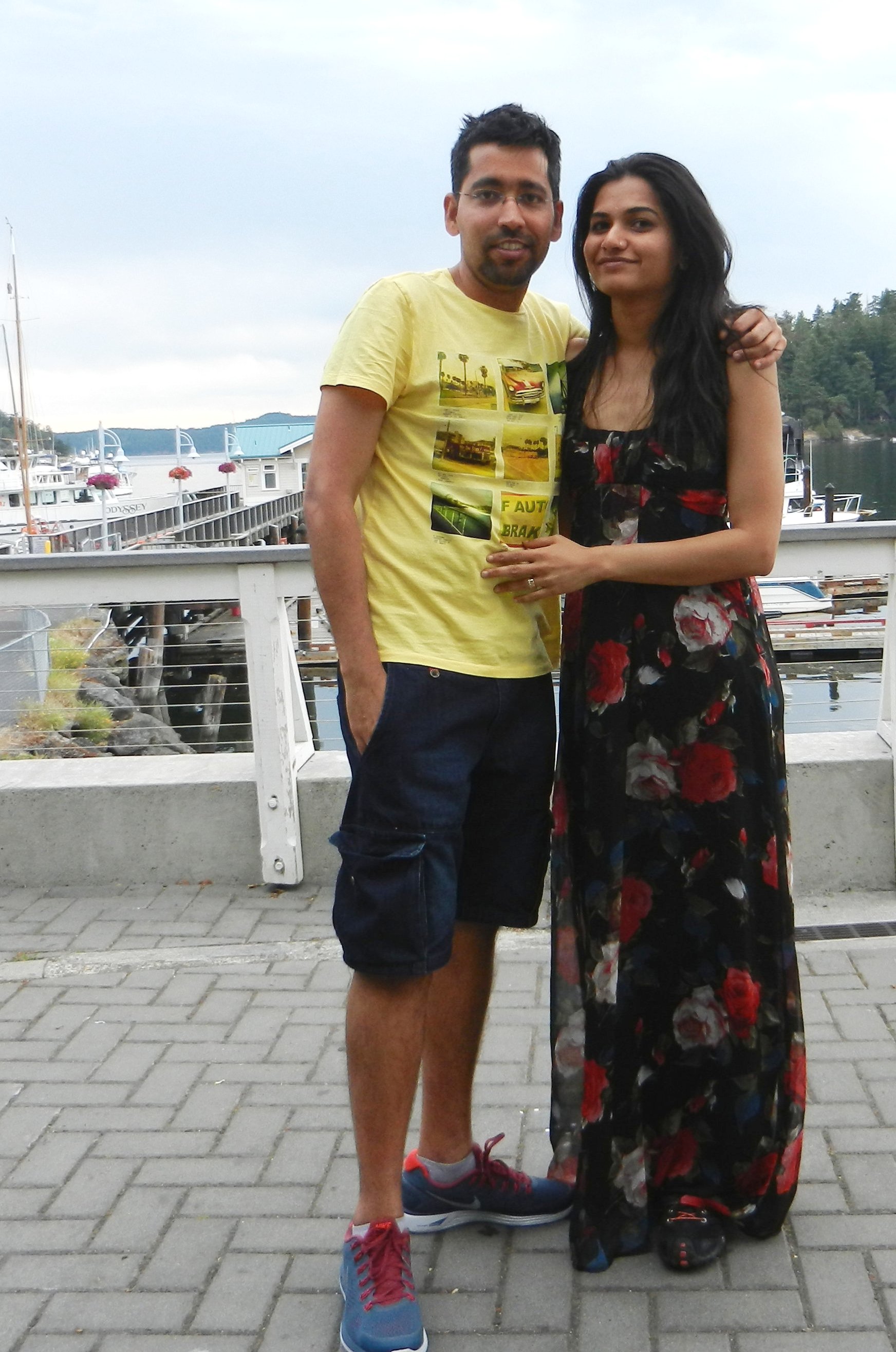
Anupam Jhingran and his wife

Continue reading

New to graduate school? Pay attention to those core courses

Finding the right balance between coursework and research is critical to success in graduate studies, says Tolulope Morawo.

By the end of your first semester in graduate school, you may find yourself drowning in all sorts of emotional episodes if care is not taken. Often, the excitement and challenges that come with conducting research can be overwhelming. If you’re fortunate enough to have been offered a graduate research assistantship, the dual responsibilities of being a student and researcher can be tricky at first. It is imperative that new students balance that fine line until they become established.

My picture- Morawo-smaller

Tolulope Morawo

Continue reading