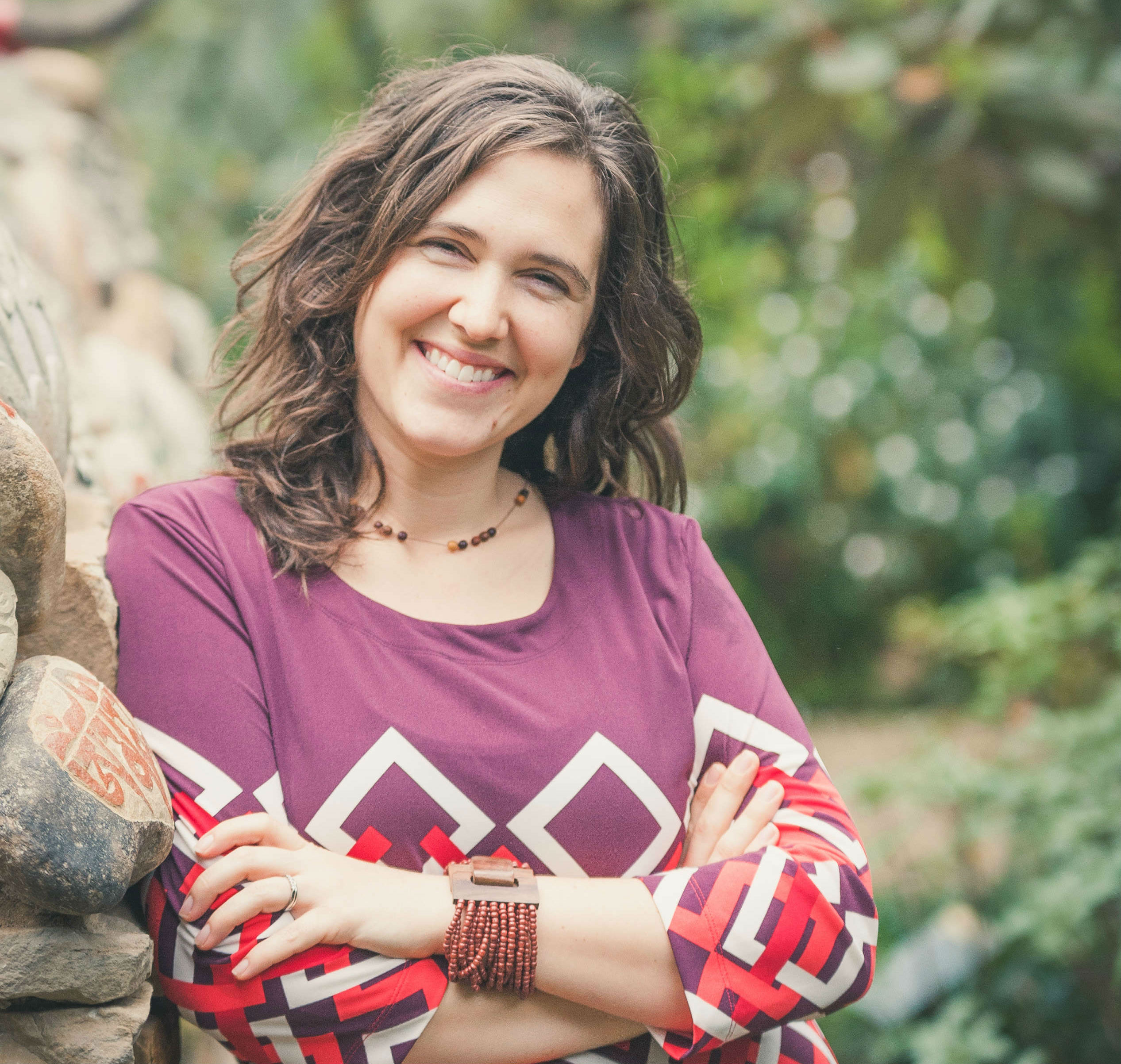
The changing landscape of pharma: a new route for PhDs?

The pharmaceutical industry is changing – challenging for some, but an open road to opportunity for others. And the latest opportunity in the world of pharma comes from a rapidly growing demand for Medical Science Liaisons (MSLs), says Dr. Martijn Bijker.

As more drugs come to market and pharma’s business model shifts from selling drugs directly to fostering earlier engagement, companies are looking for highly skilled scientifically- and clinically-trained candidates. Could this be an outlet for the overflowing pool of PhD (and MD) graduates produced every year?

So what is an MSL?

An MSL is the scientific and clinical disease expert within a pharmaceutical or biotech company. They’re the go-to person for any complex questions about a specific drug. That could include questions about the science behind the drug, the mode of action, the competitors’ drugs, side effects, clinical trials, research opportunities, and disease-related questions.

MSLs work at the interface between internal stakeholders in the company and external stakeholders in the field – called Key Opinion Leaders (KOLs). MSLs help to bring innovative new drugs to the market and provide education about the proper use of drugs that are already on the market. KOLs – broadly defined as leaders in their field – can be heads of departments at teaching hospitals, heads of pharmacies, professors of medicine, the CEO of a patient organisation, physicians involved in pharmaceutical clinical trials and sometimes clinical scientists themselves. In short, MSLs work with the most influential stakeholders in a therapeutic area.

scientist-762627_1920

MSLs help to bring innovative new drugs to the market and provide education about the proper use of drugs that are already on the market.


Continue reading

Thinking of a PhD? This is the Australian story

Advice for prospective PhD candidates focuses on career prospects in R&D, but more thought should be given to personal aspirations in life and work.

Research is fuelled by the energy of post-graduate students. PhD students contribute 57% of total university research output, according to a 2013 discussion paper from The Group of Eight Universities in Australia. In 2011 Nature published “The PhD factory,” which described the ongoing crisis caused by the oversupply of trained researchers and the inability of academia and industry to soak up the overflow.

CSIRO_ScienceImage_3881_Five_Antennas_at_Narrabri_-_restoration1

Five of the Australia Telescope Compact Array antennas at Narrabri, New South Wales

Fast forward to 2016, and the PhD factories are just as productive, if not even more so. In the 2011 article, Dr Anne Carpenter at Harvard/MIT’s Broad Institute fought the system by hiring permanent staff scientists instead of the usual mix of postdocs and graduate students. She struggled to justify her high staff cost to grant-review panels. Continue reading

Bonding in Boston: The importance of networking in science

Naturejobs journalism competition winner Ashish Nair finds new hope at our Boston career expo.

A long time ago in a land galaxy far far away, there was a great gathering where those weary of the well-trodden trail of tenureships and grants repaired themselves. The gathering in question was the Naturejobs career expo, a free one-day event organized for students and scientists alike. Featuring some truly inspiring speakers, it gave a much-needed boost to my hope for a career in science that can be both emotionally and financially (yes, $$$) satisfying.

Continue reading

Uncertain Airspace: Changing career paths is disorienting and exhilarating

Pursuing a new career makes PhD student Jonathan Wosen feel like a baby goose—and he loves it.

Sometimes I ask people, “if you weren’t studying biology, what would you do?”

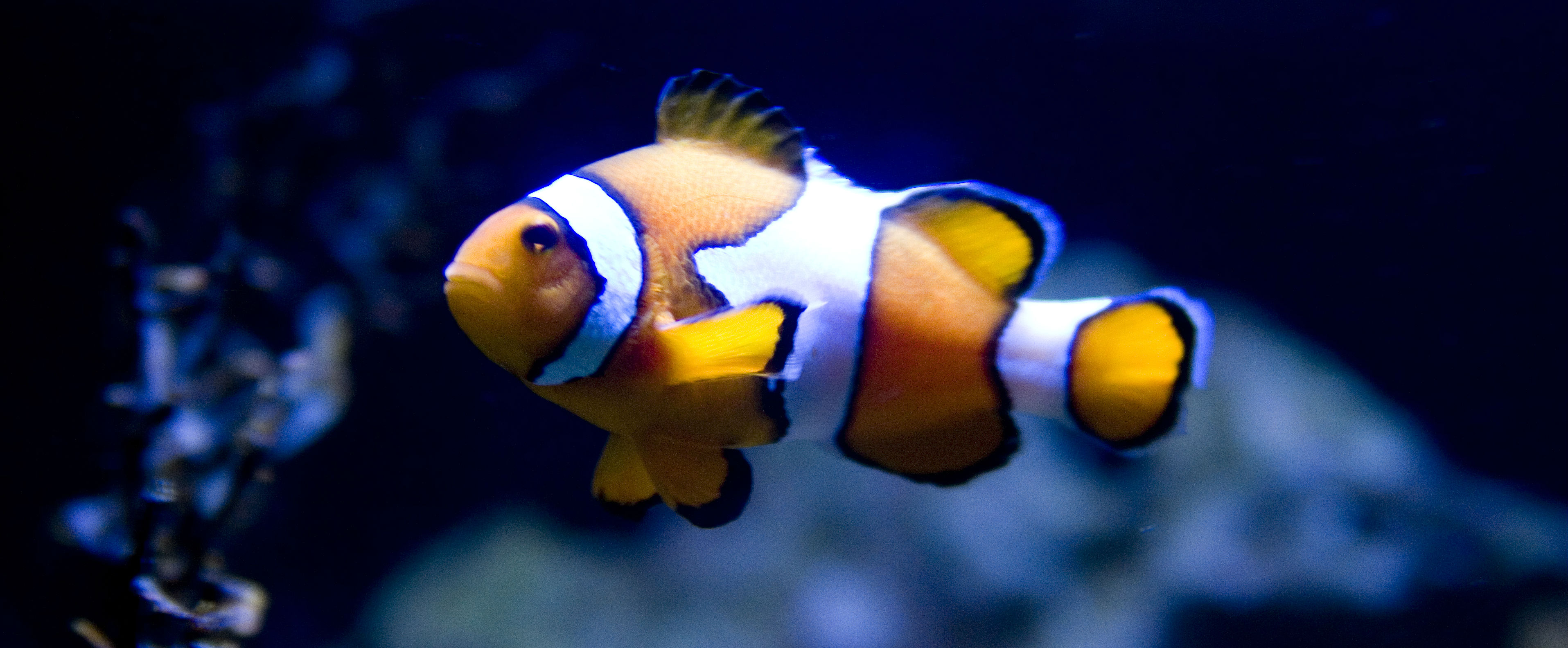
At first, they’re taken aback, and I don’t blame them. PhD students are self-selected for a certain kind of persistent, focused thinking; that’s what it takes to become the world’s leading expert on your thesis project. We are as deeply immersed in our work as a fish in water. That makes asking a graduate student to consider a different field of study a lot like asking a fish to imagine life on dry land.

Clownfish_in_blue_water-smaller

“We are as deeply immersed in our work as a fish in water. That makes asking a graduate student to consider a different field of study a lot like asking a fish to imagine life on dry land.”

Continue reading

The era of big data is coming: Scientists need to step out of their comfort zone

As every area of research becomes data-intensive, emphasis is shifting from data generation to data analysis, bringing new challenges to researchers, says Réka Nagy.

On my first day as a new PhD student, freshly awarded molecular genetics degree in hand, I was sat down at a laptop with an unfamiliar operating system and was encouraged to explore some data using arr. What sounded like pirate speak turned out to be R, a statistical programming language. Yep – for my PhD I swapped pipettes for programming, dilutions for data and spectrophotometers for statistics. Others experienced the opposite, entering the world of biology from a computer science background.

Réka Nagy

Réka Nagy

Continue reading

Preparing researchers to manage traumatic research

Studying traumatic events comes with its own risks – the scientific establishment needs to be doing more to protect researchers, says Dale Dominey-Howes and Danielle Drozdzewski.

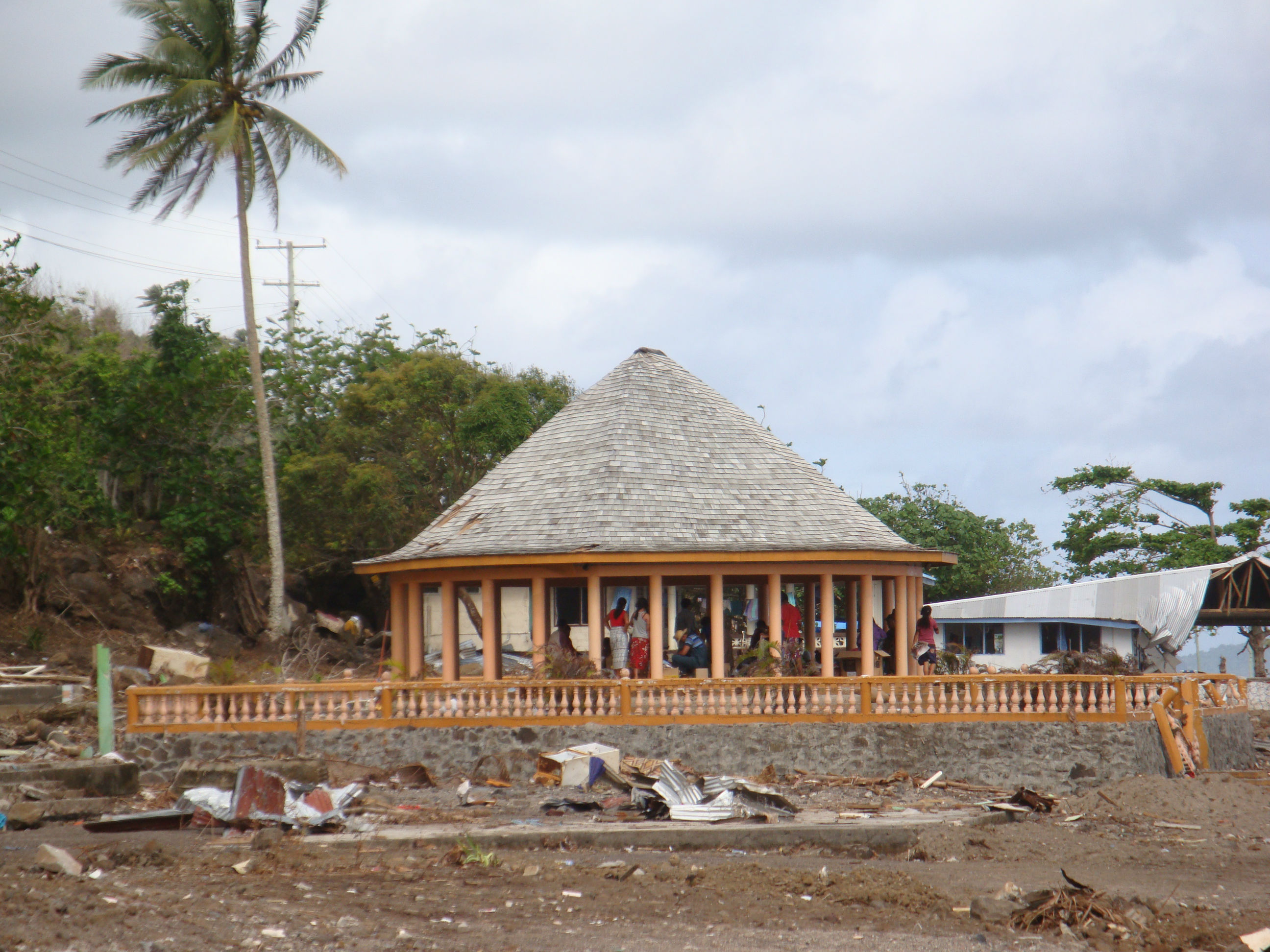
tsunami1-smaller

One of the authors interviews survivors a few days after the September 2009 South Pacific tsunami in the rubble of their communities in Samoa, as part of the UNESCO post-tsunami survey team reporting into the Prime Minister and King of Samoa. “It was a hard day for all of us,” says Dale Dominey-Howes.

What’s the issue and why is it important?

Earth is destabilizing rapidly. Terrorism, conflict, genocide, human displacement, socio-economic disruption, rapid global environmental change, slow emergencies and natural disasters are more common than at any point in history. Consequently, opportunities exist for researchers to investigate the causes, consequences and potential management solutions arising from this instability. For this to happen, we need a well-trained workforce equipped with the skills and capabilities to work with ‘traumatic’ research content, people and places. Continue reading

Multi-disciplinary Centers are lousy lifeguards when drowning in sea of PowerPoint slides

Structured efforts to build collaboration-encouraging centers cannot overcome fundamental problems in scientific communication.

These centers should focus on new scientist-to-scientist communication techniques before designing formal programs, says David Rubenson.

Multi-disciplinary, trans-disciplinary, translational, team science. These are the buzzwords for a consensus that transformative science requires collaboration among diverse disciplines. With scientists locked into narrow sub-disciplines, universities are dedicating enormous resources for top-down multi-disciplinary “programs,” “centers,” and “institutes” that attract diverse researchers, with the aim of encouraging more multidisciplinary collaboration.

communication

Continue reading

Panic and a PhD

The authors are recent PhD graduates who’ve all experienced anxiety during and after their doctoral program.

Here they share their story to support current doctoral students working to navigate and maintain a healthy work/life balance.

The lifestyle of graduate school has been associated with the presence of mental health issues, such as depression and anxiety, in students during their academic programs. A 2013 analysis of the 2009 National College Health Assessment found that 61.3% of current graduate students reported ever feeling anxiety, with 43.8% feeling anxiety within the past 12 months. As recent graduates from a doctoral program, we’ve experienced this anxiety firsthand, and hope that our stories and recommendations can help to tackle this problem head-on.

Stress is an essential reaction to danger, a mechanism ingrained in us long ago to force a “fight” or “fly” response. However, it’s how we react to stress that impacts our long-term health, including the potential development of anxiety through cognitive distortions and unhealthy coping mechanisms. While we three may have already been naturally anxious people, this became increasingly heightened when under the stress of working on our PhDs.

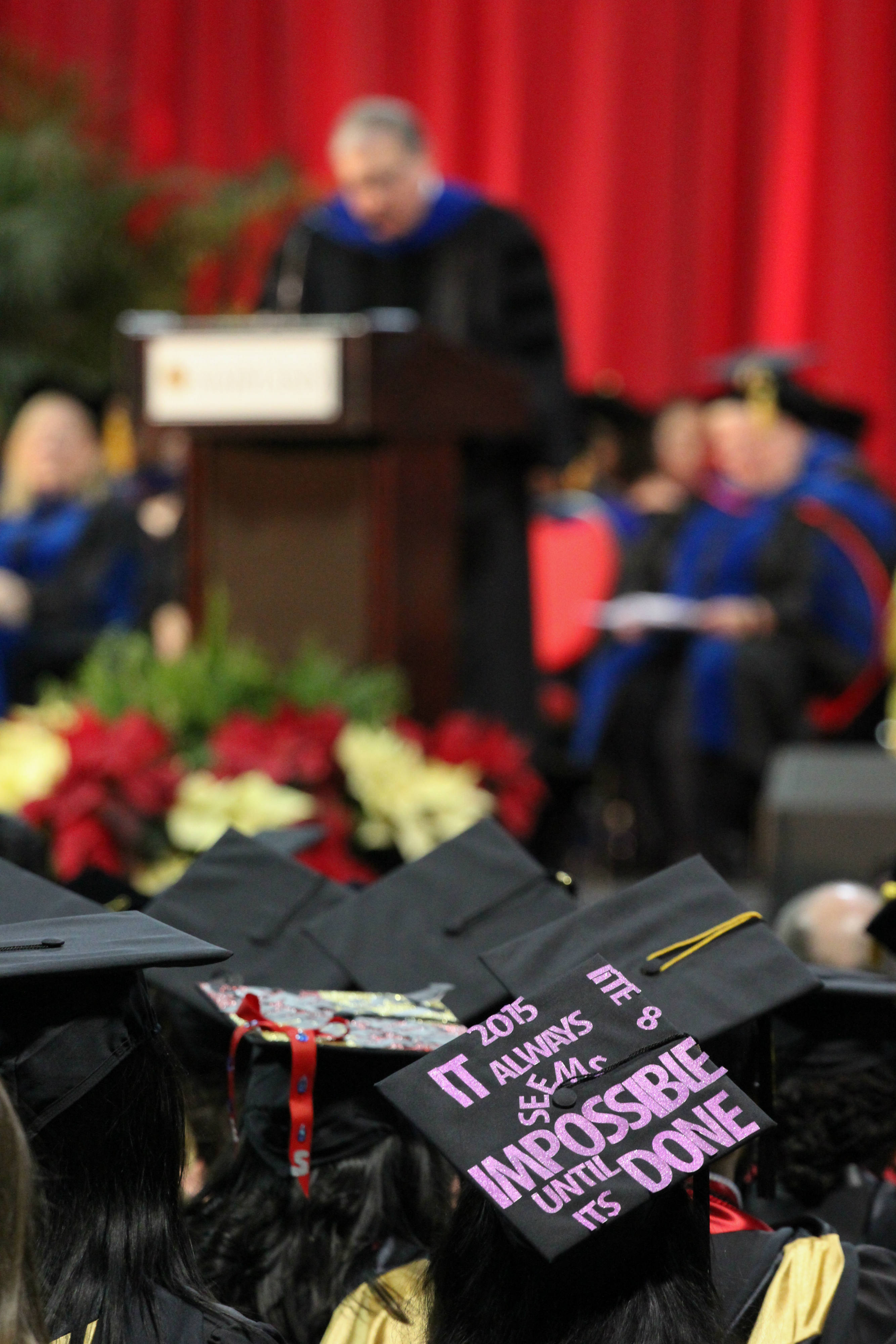
Grad hat 2-smaller
Continue reading

Why building a start-up is probably your most sensible career path

Your PhD has given you the perfect tool set to start a high-tech company, and it’s nothing to do with your technical skill, says Mark Hammond.

In stark contrast to the proliferation of web based start-ups led by young founders, science based start-ups have typically remained the domain of seasoned professors, spinning out breakthrough technology built on years of research. This is changing rapidly, and it’s now more viable than ever to start a science based company straight out of a PhD. In fact, it might just be one of the most sensible career paths that you can take.

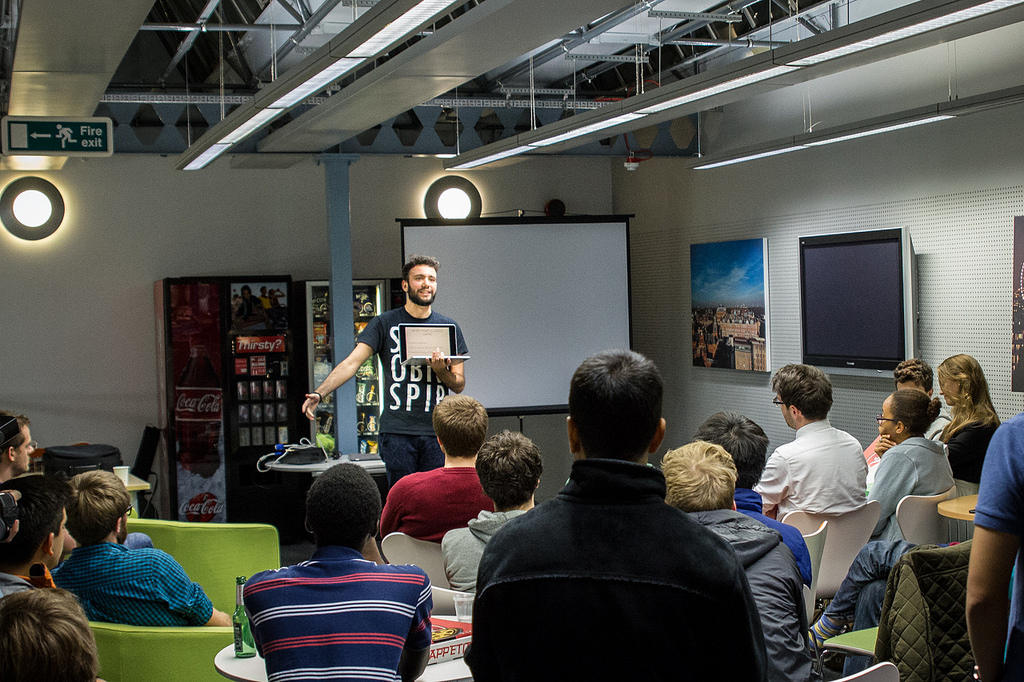
Students at Imperial College’s Marker’s meetup present ideas and get feedback

Continue reading

Highlights from the Comm4Science science communication conference

You need to prepare to get your science in the news. And when it comes to interacting with journalists, loosen up and let your emotion come through.

Guest contributor Virginia Schutte

The international conference Comm4Science: communicating science beyond the lab took place in Heidelberg in early May. Around 100 participants attended, where they met a great roster of speakers, took part in a communication workshop, and asked questions of a panel of experts.

DSC_0889-small-square

Virginia Schutte

Continue reading