Dear Dr. Elena: How outreach kills the science stereotype

Science includes a vast range of people. So why do we still have one stereotype?

professor-1696568_1280

What does a scientist look like?

You don’t look like a scientist.

Have you ever been told this? I get it quite often. Sometimes from children, but also from adults. Occasionally, if I feel like turning that comment into a discussion, I ask:

How so?

They would hesitate, tilt their head, and make a careful comment about my outfit or my hair.

And you are a girl. Continue reading →

Science’s fake journal epidemic

Predatory publishers, peerless reviews and those who fight against the destruction of the scientific approach.

The landscape of scholarly communication falls into two main categories: a paid access business model, where journals require readers to pay for access to an article or a subscription to the entire journal itself; or open access journals, which charge authors to publish but make content available free of charge and without restrictions to readers. The rise in popularity of open access journals has resulted in more than 50 per cent of new research now being made available free online. Legitimate open access journals such as PLOS and BioMed Central have been essential in allowing greater access to science, a higher volume of published work, improved education and a greater scope for scientists to publish negative results.

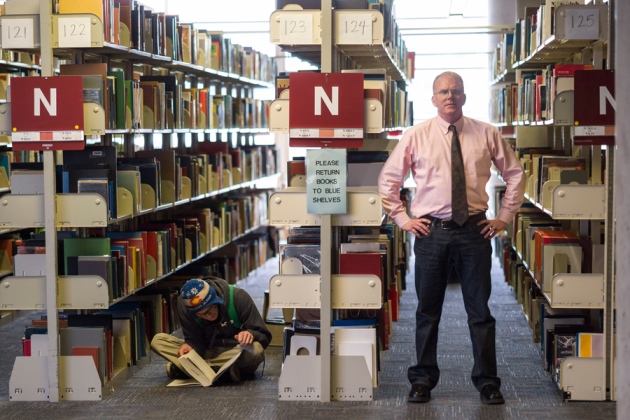
Jeffrey Beall{credit}Kevin Moloney/The New York Times/Redux/eyevine {/credit}

Continue reading →

Scientific play is a serious business

Iva Njunjić’s dream to explore caves and work on cave beetles took her far from her home country of Serbia — to the beautiful island of Borneo.

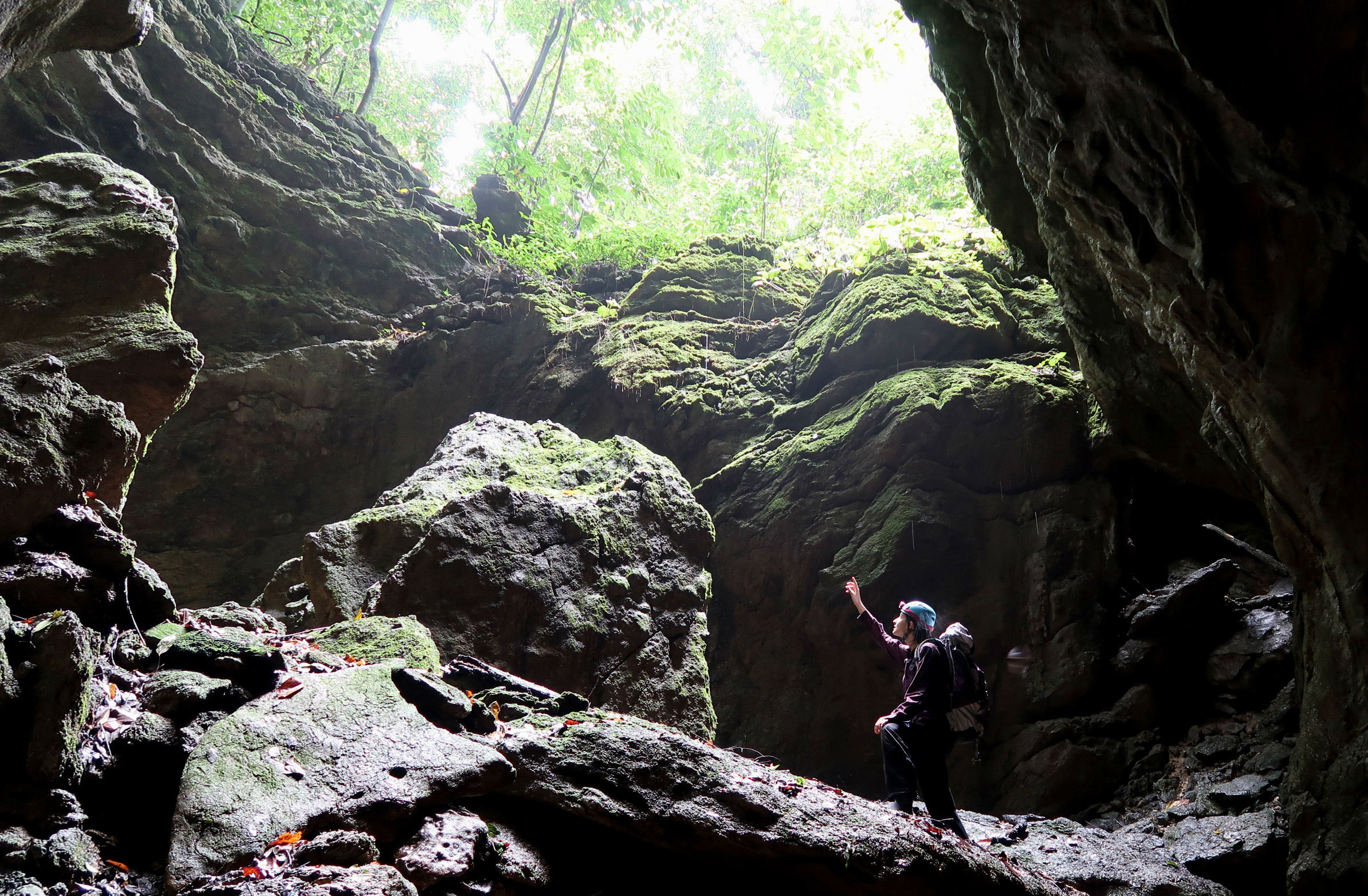
Bod Tai cave on Borneo-smaller

This photo was taken during field work in Sabah, Malaysia where Prof. Menno Schilthuizen, his PhD student Mohd Zacaery bin Khalik and I went to explore caves and hunt for new species of cave invertebrates. We spent many days around a small village on the Kinabatangan River, trying to locate caves in numerous limestone hills and gather information about the organisms that live there. Continue reading →

The discomfort is worth it: share more

Making sure to communicate with the public is hard and takes time. Scientists should keep doing it, says Jessica Eise.

When David Eagleman, a neuroscientist at Stanford, wrote the New York Times bestseller Incognito, I read it voraciously. The world of the mind opened to me. My subconscious brain took on an entirely new meaning to me. Eagleman’s research felt salient, relevant, and crucial to our understanding and progress as a species.

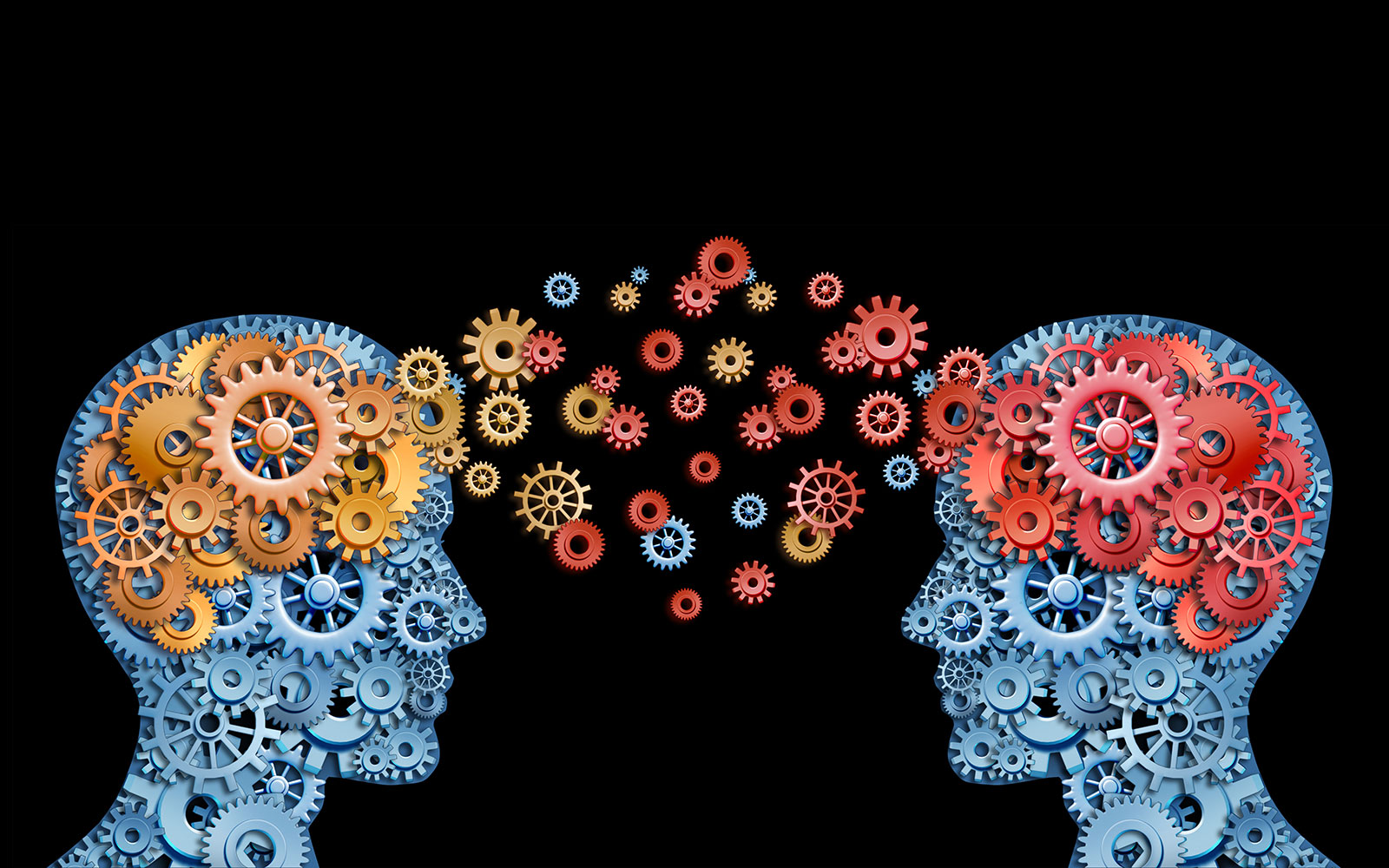
Knowledge-sharing

{credit}Asonlobo/Wikipedia; CC-BY-SA-4.0{/credit}

Continue reading →

Meditation on a Caltrain: Understanding where to travel to next

Exploring options and thinking laterally about where you can use your scientific skills might be the key to successfully transitioning into industry, learns George Busby.

This piece was one of two winners of the Science Innovation Union writing competition, Oxford.

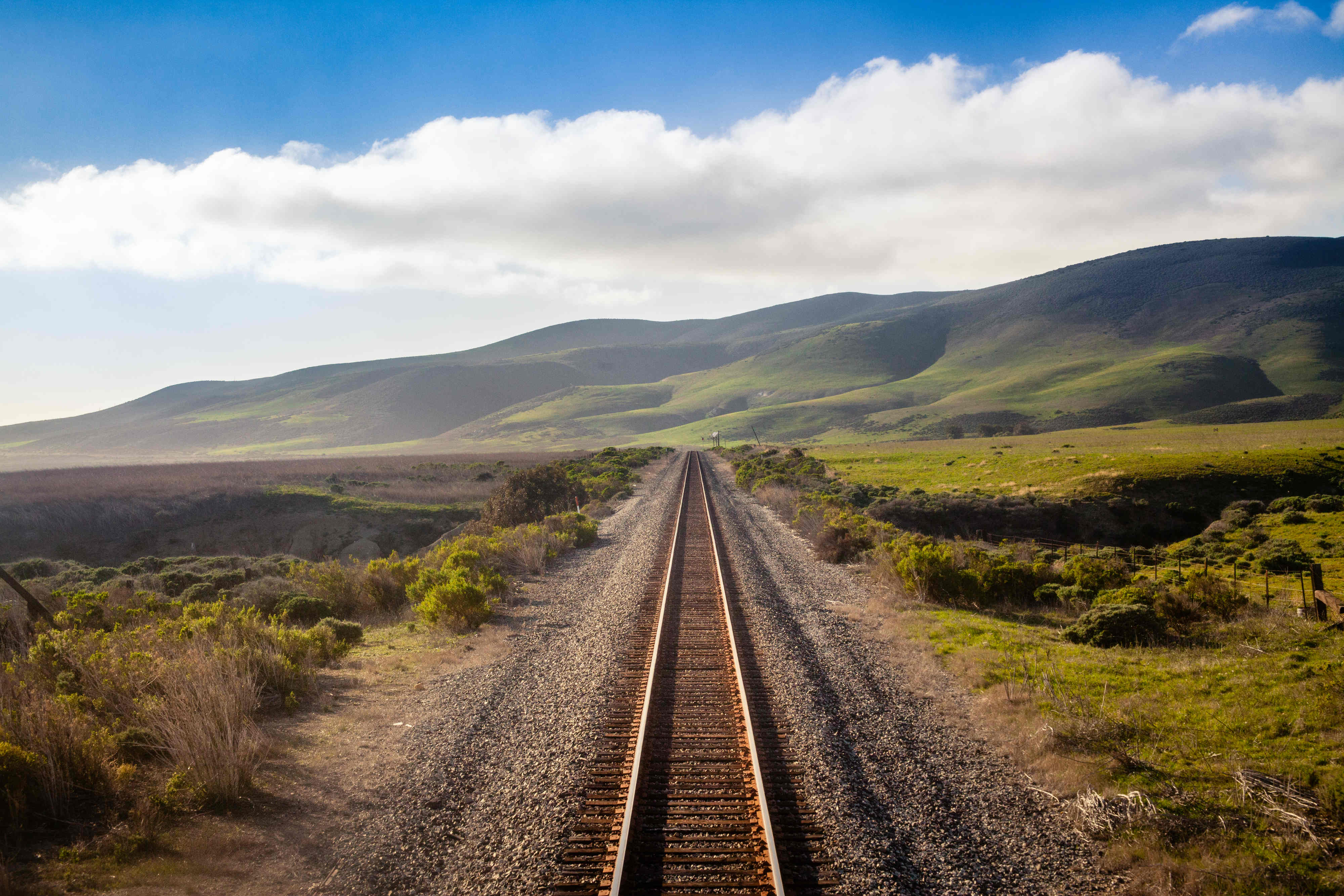
“This is downtown San Francisco, our train’s final stop. Can all passengers please detrain? All detrain please. All detrain.” Perhaps it was the heady fug of jetlag that made this broadcast particularly amusing to my UK-English language sensibilities, but I “detrained” all the same and stepped into the crisp morning air of the Californian rush hour.

I was on the west coast to visit two genetics start-ups as part of a whirlwind three-day tour of the US. With a long postdoc and several first author papers tucked into my belt, I wanted to see if these credentials would pass muster in the tech haven of Silicon Valley. I’ve always found the loneliness of solo work-travel to be highly amenable to strategic thought, and this American adventure was an opportunity to reflect on why I was there and what I wanted.GettyImages-530306679-smaller
Continue reading →

Quick profiles: Emma Hilton

Emma Hilton worked as a doctor for nine years, including four in clinical research.  After that, she shifted to pharma. Here she shares her story.

Emma is now Global Medical Affairs Leader for Chronic Obstructive Pulmonary Disease (COPD) in GSK’s Respiratory Division.

As a child, I was fascinated by how things work, especially the human body, and I decided I wanted some kind of career in science. Medicine seemed like the ideal avenue and offered a reassuringly clear path including training and employment prospects.

career-decisions-naturejobs-blog

{credit}iStockphoto/Thinkstock{/credit}

Continue reading →

Being a foreign scientist in Trump’s America

How is the Trump administration affecting foreign scientists working in the US?

A Spanish bioscience postdoc on a non-immigrant J1 visa, based in California, who wishes to remain anonymous, shares her perspective as a foreigner in the US in the current political climate with science writer Louisa Cockbill.

We’re now three months into Trump’s presidency.  What effect has it had on you?

On election night I was very disappointed and upset. It was frustrating not to have the right to vote as the political decisions made in this country affect my life. The uncertainty of what happens now is kind of scary. In general I still feel welcomed and still love living here. However, as an immigrant, a woman and a scientist it’s not surprising that I’m a little worried – these aren’t positions that seem to be supported by the administration. I check nearly every day to see if they have decided to change something with my visa or green card applications that may affect me personally.

The inauguration of President Trump

Continue reading →

The worldwide web of science

International networking should be a priority for young scientists, says Aliyah Weinstein.

Early career scientists are often told that networking is important for future career prospects and mobility. Often, this comes in the form of a nudge to attend university seminars, events for local scientific professionals or national conferences. These are typically great for meeting scientists working in your city or country – but developing an international network can often be much more difficult. First, scientists are most often around others working at their university or research centre, making this their primary network. Second, travel to attend international conferences may be cost-prohibitive, especially for early career scientists. Finally, connecting with colleagues outside of the country may not be on the radar of students and postdocs, or may seem overwhelming at that stage of a scientific career.

network-1911678_1920 Continue reading →

Women in science: Fight the brain drain

“The world needs science. Science needs women,” reads the L’Oreal-UNESCO women in science strapline. We agree.

Last week, Julia Etulain was sitting in a lobby of a hotel in Paris, far from her hometown of Buenos Aires, Argentina. She explained her research energetically, occasionally apologising for near-perfect, short-sentence, staccato English.

Julia Etulain {credit}Photo via ParaBuenosAires/thebubble{/credit}

Continue reading →

Employment rights in post-Brexit Britain

As the UK prepares to trigger Article 50, signalling its departure from the EU, opponents of Brexit worry that that employment rights will be eroded and the UK will become a less welcoming place, particularly for LGBT people.

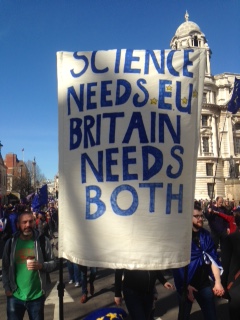
sciencebrexit

A placard waved at the anti-Brexit demonstration, held in London on March 25 2017.

“Rule Britannia, Britannia rules the waves, First we’ll kick the Poles out, Then we’ll get the gays.”

Liberal democrat peer Liz Barker reminded a business summit on LGBT rights last week that the above chant was heard in London the day after the EU referendum in June 2016, and that in the three months following there was a 147% increase in reported homophobic crimes.

“Among the very many half-truths bandied about during the [referendum] campaign, the idea that the EU played very little or no parts in gaining rights in this country was most egregious,” she told The Economist’s Pride and Prejudice event, held in London, Hong Kong and New York on 23 March. Continue reading →