Stepping up for hope

What did the March for Science do?

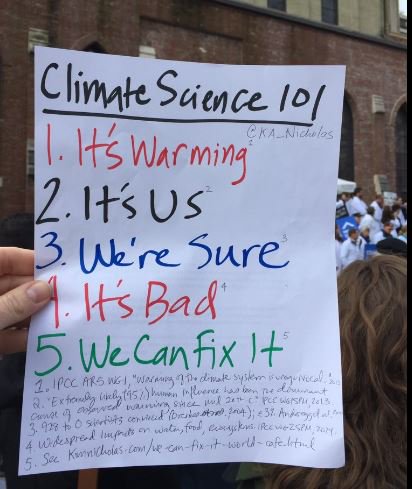
Scientists across the United States are just now returning to their labs after a weekend of marching, waving signs and, in many cases, wringing out rain-soaked lab coats. The steady rain that fell Saturday, 22 April, on the March for Science in Washington DC didn’t dampen participants’ enthusiasm for standing up for “science that upholds the common good and for political leaders and policy makers to enact evidence-based policies in the public interest,” to quote the March for Science website’s mission statement.
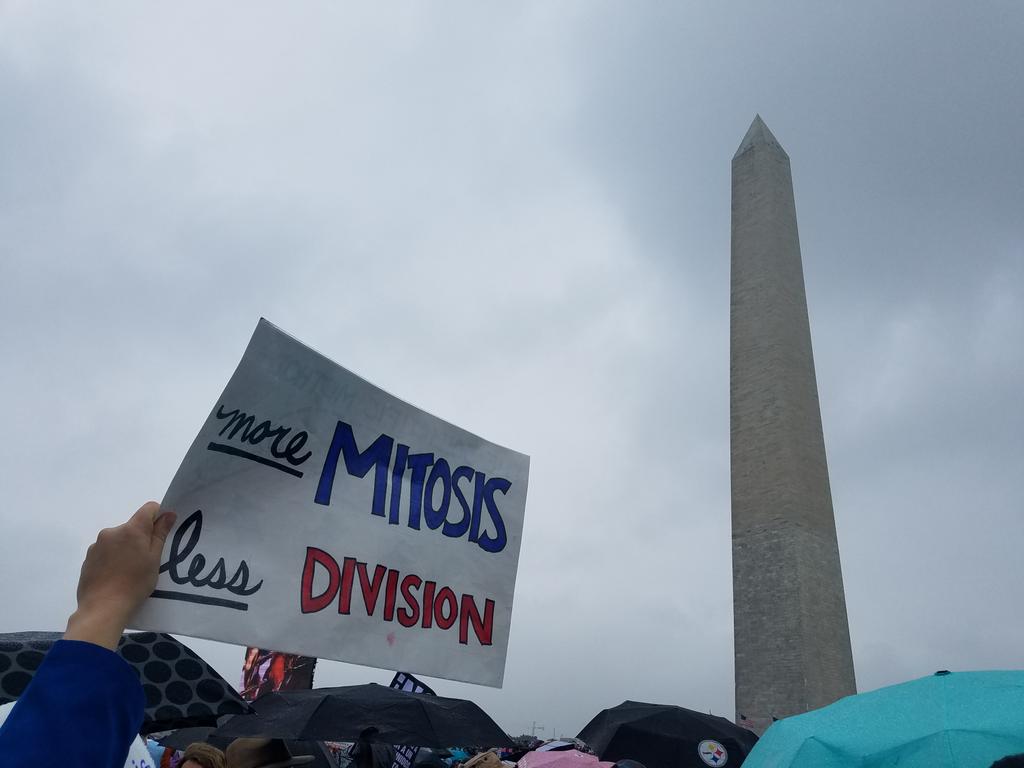
march

{credit}Kate Carbone{/credit}


But now that the march is over, scientists have to face some important questions: What message did they deliver, what comes next and what does it all mean for their careers? Continue reading
The next generation of science outreach

Increased communication and outreach efforts require changes in the structure and culture of academic science, says Nicole Forrester.

In the wake of the US presidential election in November 2017, the scientific community has recognized that it has fallen short in communicating the value of science and research. As a result, scientists are now calling for increased public outreach and communication efforts. While this awareness is important, the path forward is not entirely clear.

pexels-photo-77984-smaller Continue reading

Women in science: Fight the brain drain

The world needs science. Science needs women,” reads the L’Oreal-UNESCO women in science strapline. We agree.

Last week, Julia Etulain was sitting in a lobby of a hotel in Paris, far from her hometown of Buenos Aires, Argentina. She explained her research energetically, occasionally apologising for near-perfect, short-sentence, staccato English.

Julia Etulain {credit}Photo via ParaBuenosAires/thebubble{/credit}

Continue reading

Development and debate about the March for Science

The March for Science’s date has been set for April 22nd. Nicole Forrester speaks to scientists planning to take part.

It’s fair to say the scientific community is spending a lot of time talking about the March for Science, due to take place on April 22, 2017. While organizers are preparing for events in Washington, D.C. and satellite locations around the world, scientists are evaluating their roles in politics and public outreach. I reached out to scientists and science supporters to discuss the march and the impact of recent political decisions on science, scientific policy, and our careers as scientists.

According to their website, the March for Science was founded as “a celebration of our passion for science and a call to support and safeguard the scientific community.” For many scientists, though, it’s about supporting the scientific process itself and advocating for its importance. Joel Sachs, an Associate Professor of Biology at the University of California, Riverside, says, “Science is just a way of learning about the world and is incredibly important to make predictions about what’s going to happen in the future — in terms of our climate, disease, and how to manage crops and livestock.

{credit} Bill McKibben/ Twitter: https://twitter.com/billmckibben/status/808791393569243140?lang=en{/credit}

Continue reading

Ghost research: taking stock of work that disappears

Why every researcher should keep an old bulletin board.

Guest contributor Eli Lazarus

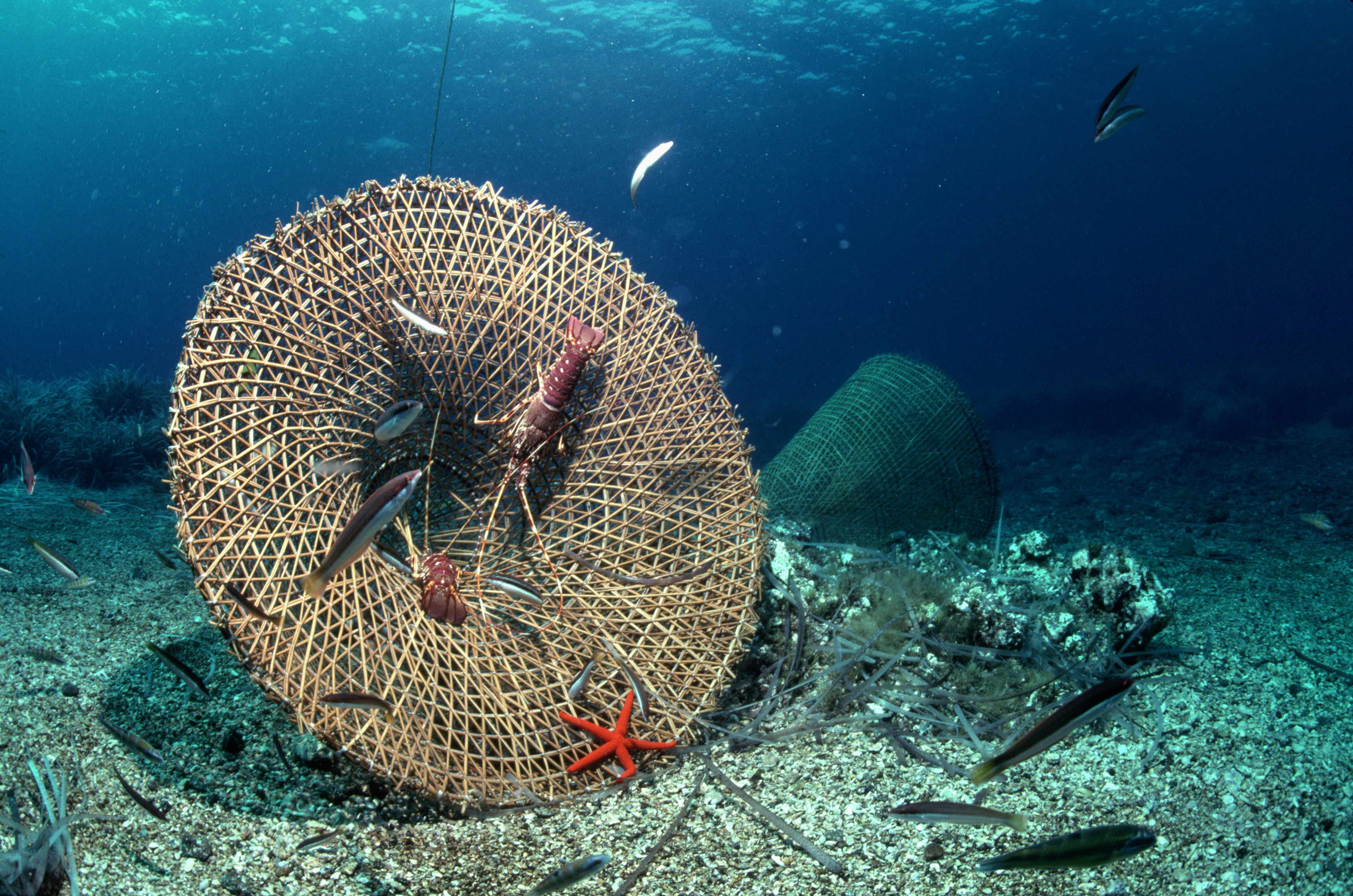
I recently found a short article my father wrote for National Fisherman, in 1988, which reported on a new kind of lobster trap with a “catch escape panel” aimed at reducing bycatch. My dad had a steady freelance gig at the time with National Fisherman, and the article was one of several he wrote while researching “ghost traps” – lobster traps, specifically, but really any lost fishing gear (nets, lines) that disappears underwater for reasons random, accidental, or deliberate.

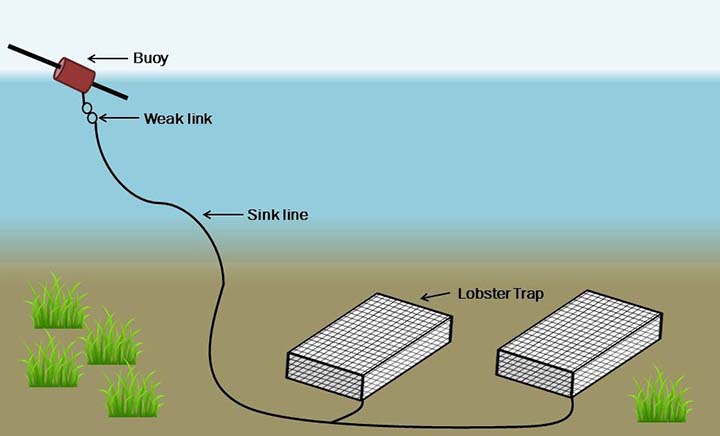
With lobster traps, it’s easy to imagine what happens. To retrieve traps and the lobsters in them, a fisher works her way along from floating buoy to buoy. Each is connected to a heavy “sink line” that is in turn fixed to a trap, which sits on the seabed, catching lobsters. If something – a propeller from a passing boat, for example – parts the sink line, then the buoy drifts off with the current and the trap is lost.

GettyImages-519978966-smaller

{credit}Getty images/Jeff Rotman Photography{/credit}

Continue reading

Science communication: What it takes

Science achieves little if it stays in the lab. Here’s what you need to get it out to the world, says Jessica Eise

Communicating about science is a noble profession, and one that’s becoming increasingly and ever more popular. Yet it isn’t the right fit for everyone. I got started in this field about five years ago, and was surprised by many of the things I needed that no one had ever mentioned. Here’s what no one ever tells you you’ll need.

analytics-282739_1280

Passion for science

If you don’t care about science, you’re going to burn out fast. Science is hard, so science communication is hard, too. You’re going to have to delve into complicated issues quickly. I’ve worked on projects ranging from solar panel taxes to integrated imaging, from public perceptions of pork to international trade databases. You really have to care about good science communication to get a message across. The only thing worse than no science communicator is a science communicator who hates their job.

I didn’t have an immediate interest in food and agricultural topics when I started my job. But I audited a course on food security, read tons on the subject and sat down with my colleagues to figure out why these topics are so critically important. It made all the difference. Continue reading

How do I get money for my academic idea?

Speakers in the funding sphere explain the best way to find funding at the Naturejobs Career Expo, London, 2016.

https://www.youtube.com/watch?v=XaEKtx-OfaU

Continue reading

The talent prize that flies the Spanish flag for organometallic chemistry

In 2016 Eva Hevia published her 100th paper, had her second child, celebrated her 40th birthday, and won a £14k prize which she will use to strengthen links between scientists in the UK and her native Spain. David Payne attended the prizegiving.

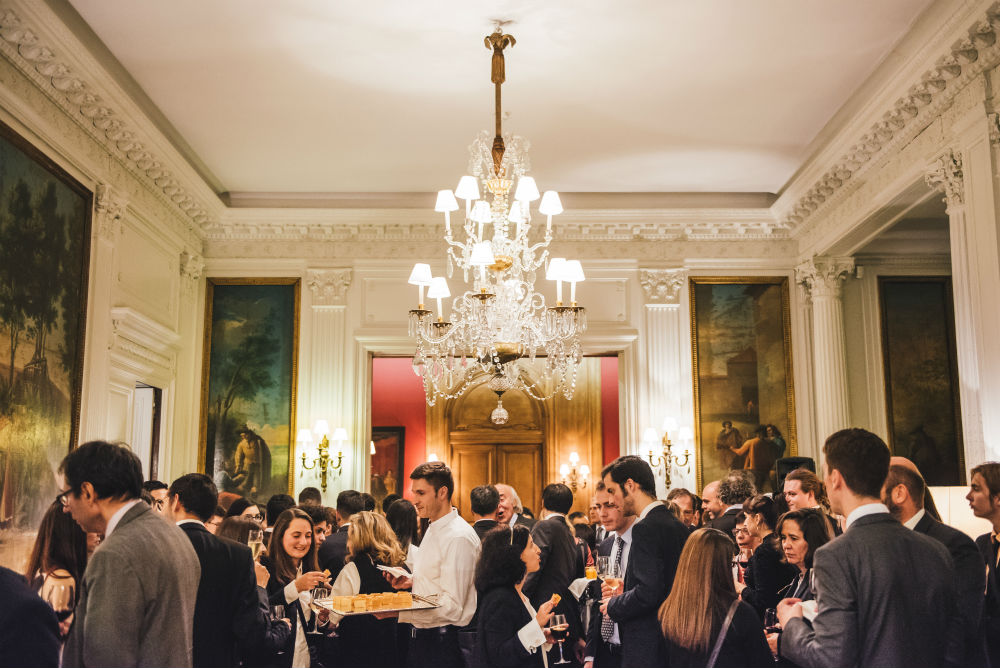
Hevia, professor of inorganic chemisty at the University of Strathclyde, Glasgow, described herself as a “molecular architect” after receiving the Society of Spanish Researchers in the UK’s inaugural Emerging Talent Award at the Spanish Embassy in London this week.

embassy

Continue reading

Your best work might be just around the corner

A recent finding shows that a scientist’s career can peak at any age.

Ever wonder when you’ll publish that big paper that’ll win you the Nobel Prize (or at least a new research grant)? Turns out, it could be your next.

As Nature News reports, a new equation, developed by a team led by Albert-László Barabási at Northeastern University in Boston, Massachusetts, shows that papers published at any point in a scientist’s career have equal chance in becoming their most highly cited work. It might be sensible to keep that in mind the next time you’re struggling through centuries of data analysis, or when your thumb starts to bruise from more and more mindless pipetting.

You can watch a video explainer below, and find the paper here.


Suggested posts

How to get published in high-impact journals: Big research and better writing

Writing for international journals: tips and techniques

Nature Masterclasses: Writing for highly-selective journals