Finding job satisfaction as a science communicator

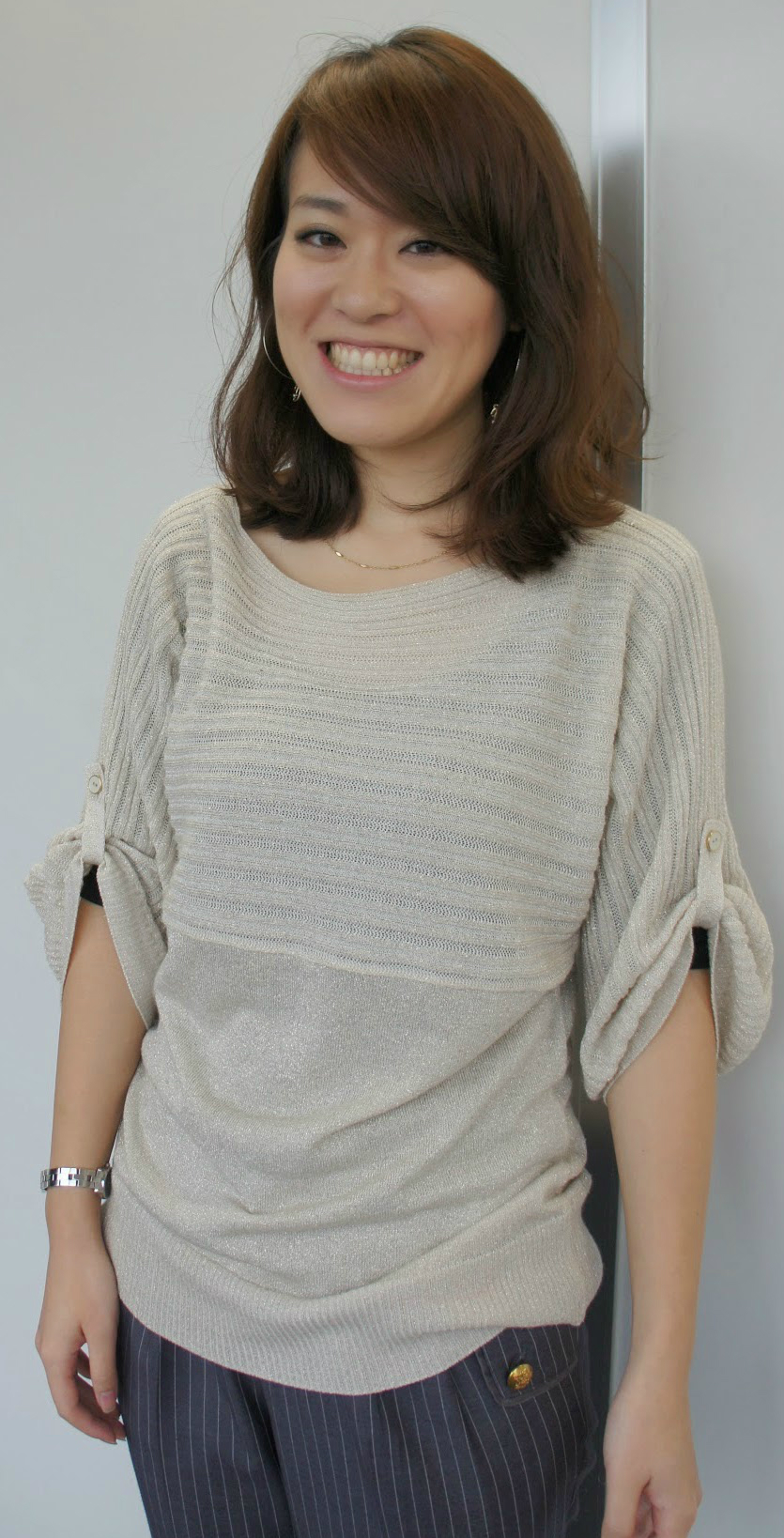
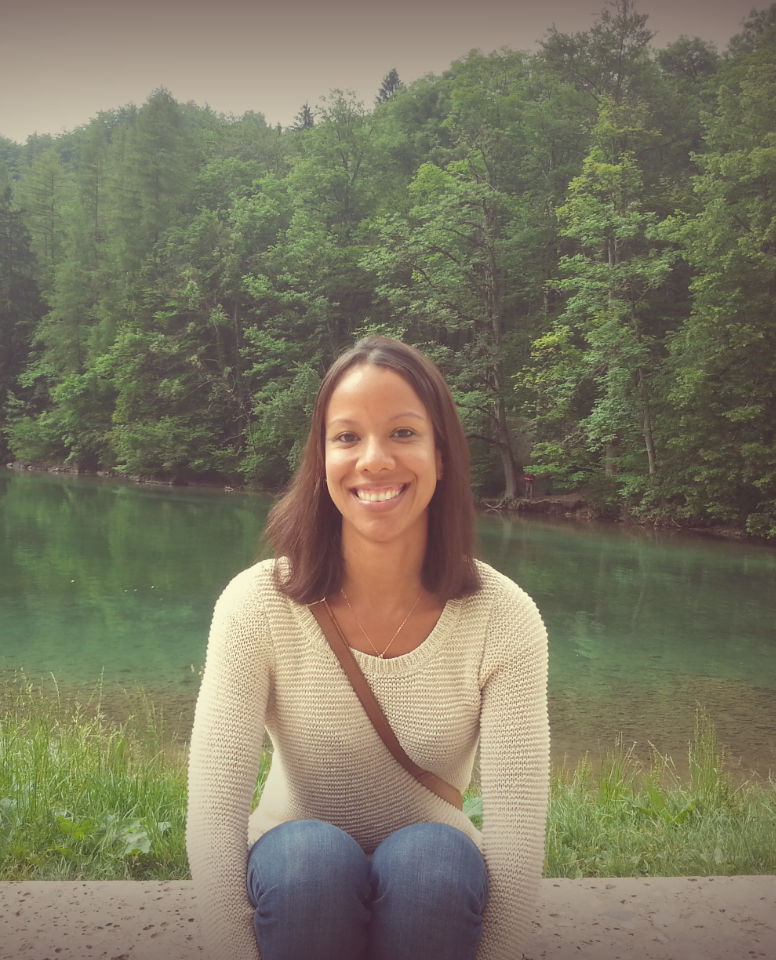
Yuko Ueno planned to work in science communication…

…But a supervisor suggested that gaining first-hand research experience might make her a better communicator. Today, she sells workshops to companies, schools and universities and teaches science to Sunday-school students at a private academy in Tokyo.

Smriti Mallapaty catches up with her to learn more.

yuko-smaller

Yuko Ueno

Continue reading →

Lost for words — the language of science communication

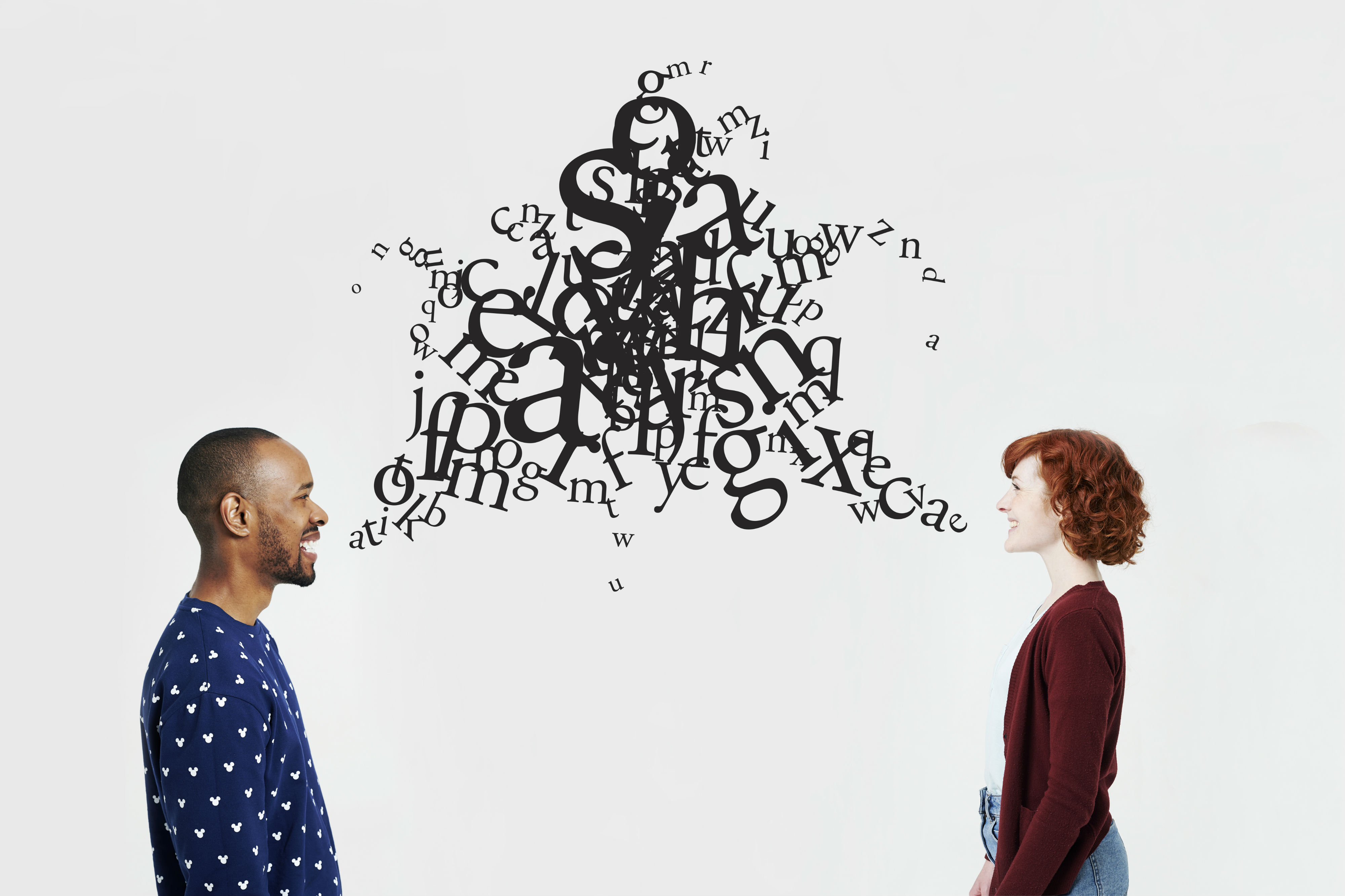
While English is largely regarded as the global language of science, science communication doesn’t enjoy a unifying language.

Naturejobs journalism competition winner Catherine Carnovale explores this distinction.

GettyImages-550382899-smaller Continue reading →

Should I get an unpaid internship in science communication?

Dan Cressey of Nature, and Rob Dawson of the Meningitis Research Foundation, speak at the Naturejobs Career Expo, London, 2016 about the benefits of an internship in science communication.

https://www.youtube.com/watch?v=ivcHblYSd94

Continue reading →

The “black box” effect in science communication

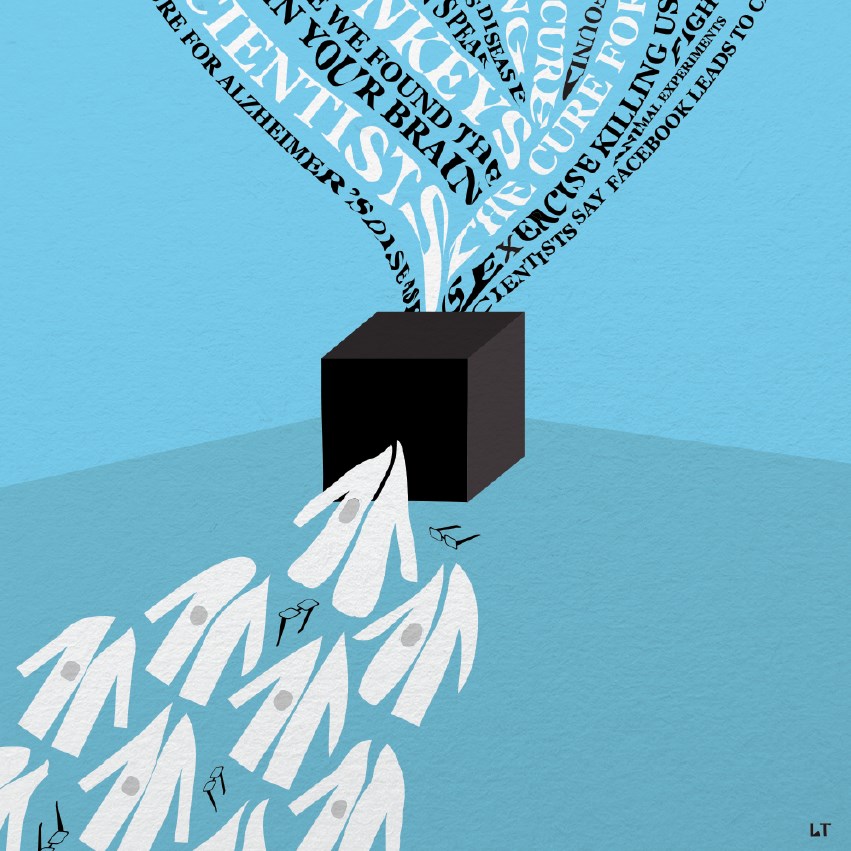
To counter sensationalist journalism and to bring the public closer to the realities of research, science communication must focus on the how and why of science, says Naturejobs journalism competition winner Lev Tankelevitch.

In July 2016 scientists found out how to map the brain into dozens of new areas using neuroimaging. We also discovered that thousands of such brain scanning studies may be flawed. To someone lacking insight into neuroscience, these two equally important studies can seem conflicting. Although “science communication” happens everywhere, science can still feel like a black box to the public, mysteriously churning out breakthroughs which are packaged and relayed by a barrage of tweets and headlines.

image Continue reading →

Five ways science communication can help you

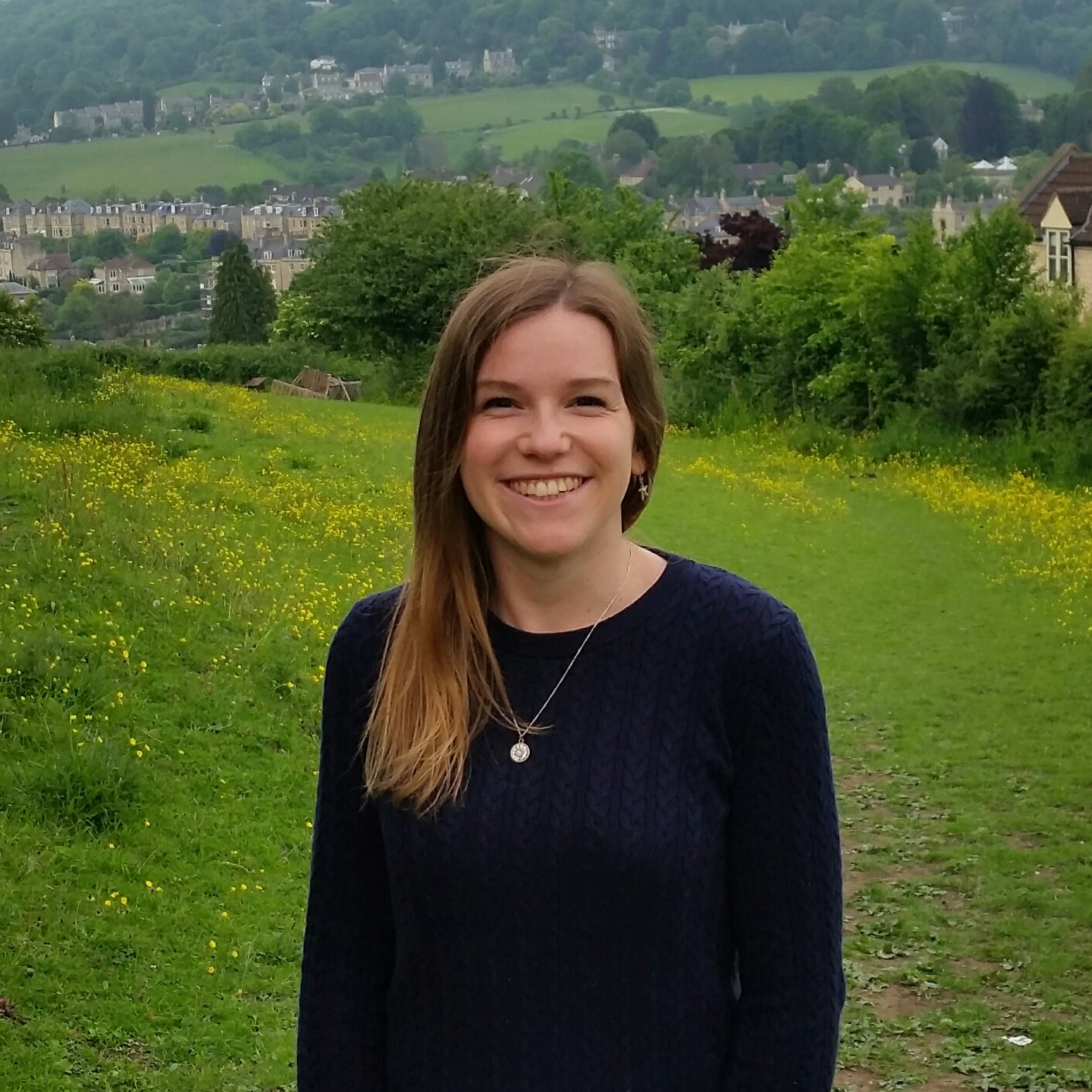
Naturejobs journalism competition winner Rachel Harris explains how engaging others in science has benefitted her in the lab

For the past four years I’ve been working in science communication (SciComm), and academia. I’m now mid-way through my PhD — I’m studying on Alzheimer’s disease and I know I would be finding research a lot tougher if I were not involved with science communication.

RH_BNF2016_original-smaller

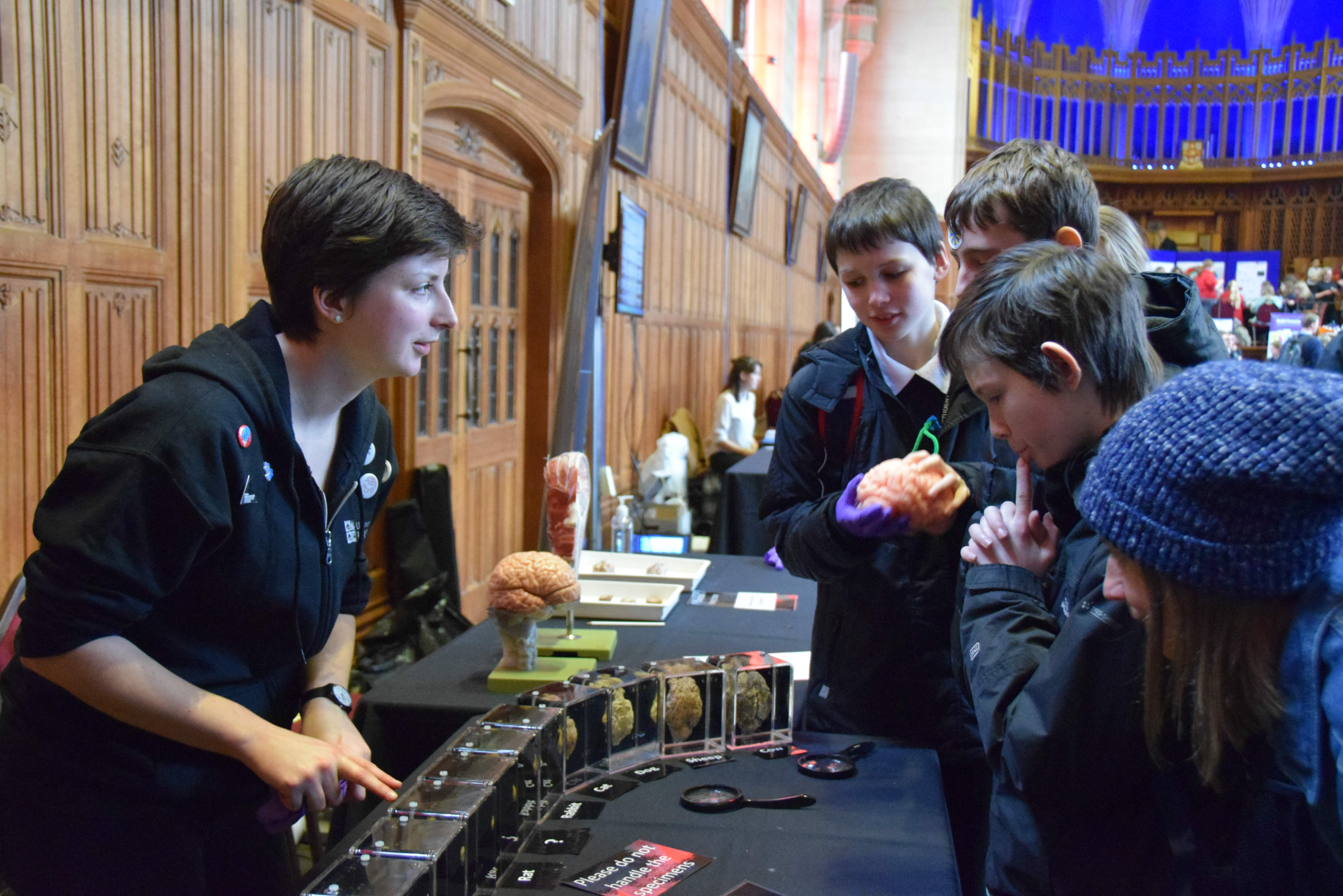
Rachel Harris doing some SciComm at Bristol Neuroscience Festival this year

Continue reading →

Scientific data + effective communication = big changes

The science community should recognize the influence that research has when it’s translated for everyone.

Guest contributor Thais Moraes

2014-06-29 15-smaller

Thais Moraes

The conference comm4science – communicating science beyond the lab – in Heidelberg, on the 6th and 7th of May, put together many popular names involved in science communication both in and outside of Germany. They all highlighted the importance of communicating science. But they also recognized the many problems we face today concerning dialogue between scientists and the public. In my opinion, one critical point is to make scientists understand how essential it is to share their research with society. Continue reading →

Career paths: What do you need to think about before taking your next step?

Before choosing a new career path, take the time to get to know yourself, and you may be surprised at how well things fall into place.

 Naturejobs journalism competition winner Mary Gearing

Any career, scientific or otherwise, is the product of choices. In my own path in science, the first set of choices was clear: major in biology, conduct undergraduate research, enroll in a PhD program. This was a comforting, well-trodden path, but it left me unprepared to make the next big decision: my post-PhD direction. Now, as I near the end of my graduate studies, I’ve realized that this decision is much simpler than I thought. The most important tool for a career change is self-awareness – the willingness to analyze yourself as thoroughly as you would any key experiment.

Continue reading →

The Naturejobs career expo journalism competition, London, 2016!

Enter for a chance to work as a Nature journalist for the day!
 

NJCE-2016-(London)


Here we go again!

Following the success of the Boston and San Francisco Naturejobs career expo journalism competitions this year, we’re launching the competition for our tenth career expo in London, to be held on September 16th.

The London Naturejobs career expo is our flagship event, so we are looking for five budding science writers to help us with our coverage of the conference sessions, workshops and general ambience of the event for those who cannot make it. The conference will explore career paths in industry, academia and science communication, finding funding, and much more.

The five winners will have the opportunity to attend the expo and write up at least two of the sessions or workshops for our readers, sharing the advice and expertise of the speakers with our worldwide audience. Winners will also have the opportunity to work closely with Nature editors, and their articles will be published on the Naturejobs blog. Continue reading →

Bridging science and real world impact with confidence

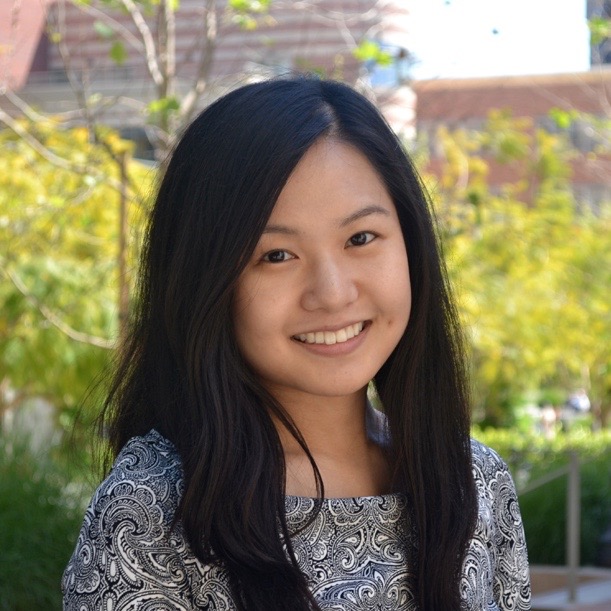
What does it take for someone in science to make a difference in the world? We often seek success and validation through the rigour of our research and studies, but the key may be in our attitude.

Naturejobs career expo journalism competition winner Diane N.H. Kim

Confidence is not something we normally associate with science. In this field, grounded in facts and far from emotions, it’s no wonder we have trouble seeing how our attitudes affect our success. A confident attitude is considered much more important for an actress on the red carpet, or a politician delivering a speech. Scientists are still largely portrayed and perceived as solitary individuals with passive personalities, spurred by a media portrayal of a lone scientist in their basement lab.DK_profilepicture Continue reading →