Why I marched for science – a transatlantic perspective

The March for Science turned a spotlight on the importance of research. But it won’t have a lasting effect unless we improve science communication, says Judith Reichel.

On Saturday, April 22nd, myself and an estimated 11,000 other science supporters marched in Berlin. The event was part of the global “March for Science” that took place in over 600 cities worldwide. While the March here and everywhere else was a great success in putting a spotlight on the importance of research and the danger of building on false facts, I’m worried it won’t have a lasting effect on the public perception of science if we don’t improve our science communication.

MarchforScience-Judith-1-smaller
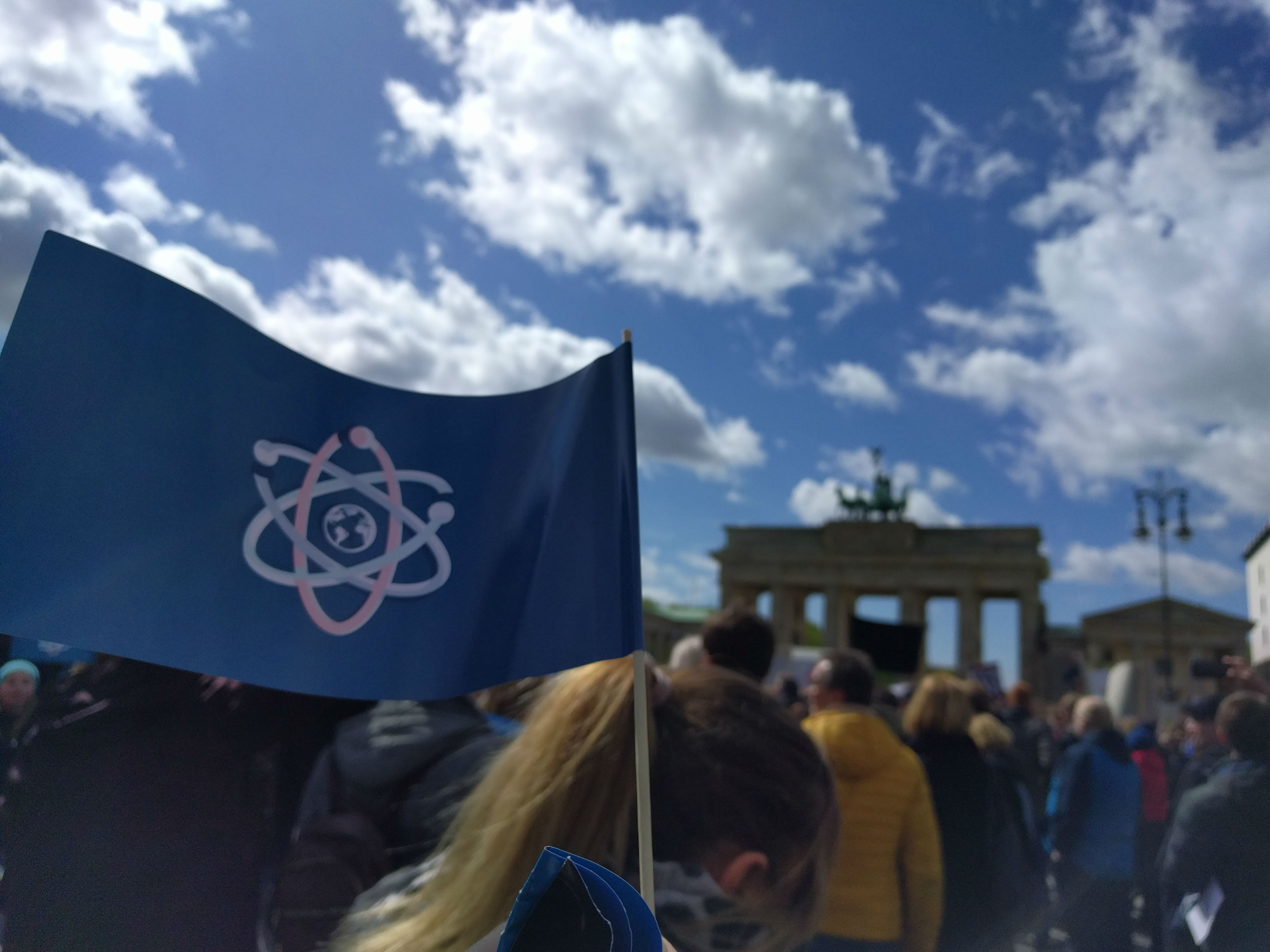
The March for Science passes the Brandenburg gate in Berlin, Germany

Continue reading “Why I marched for science – a transatlantic perspective”

Employment rights in post-Brexit Britain

As the UK prepares to trigger Article 50, signalling its departure from the EU, opponents of Brexit worry that that employment rights will be eroded and the UK will become a less welcoming place, particularly for LGBT people.

sciencebrexit
A placard waved at the anti-Brexit demonstration, held in London on March 25 2017.

“Rule Britannia, Britannia rules the waves, First we’ll kick the Poles out, Then we’ll get the gays.”

Liberal democrat peer Liz Barker reminded a business summit on LGBT rights last week that the above chant was heard in London the day after the EU referendum in June 2016, and that in the three months following there was a 147% increase in reported homophobic crimes.

“Among the very many half-truths bandied about during the [referendum] campaign, the idea that the EU played very little or no parts in gaining rights in this country was most egregious,” she told The Economist’s Pride and Prejudice event, held in London, Hong Kong and New York on 23 March. Continue reading “Employment rights in post-Brexit Britain”

Lindau: Return to Nerd Heaven: Physics is like the Godfather and this is good

Alaina G. Levine is live from the Lindau Conference

As I mentioned yesterday, even after I switched my major to mathematics from physics and astronomy, I couldn’t quite turn my back on this field. I’ve come to realise that there is a specific reason for this, and I think you’ll agree: Physics is like The Godfather – once you’re in, you can’t get out. Our knowledge of the universe, from the yotta to atto, is all tied to physics. Our entire existence is described by physics. You can’t get more powerful than that. So clearly, it’s is an entrancing field, and like the Godfather, there is literally no way to escape – you’ll die a member of La Famiglia de Fisica.

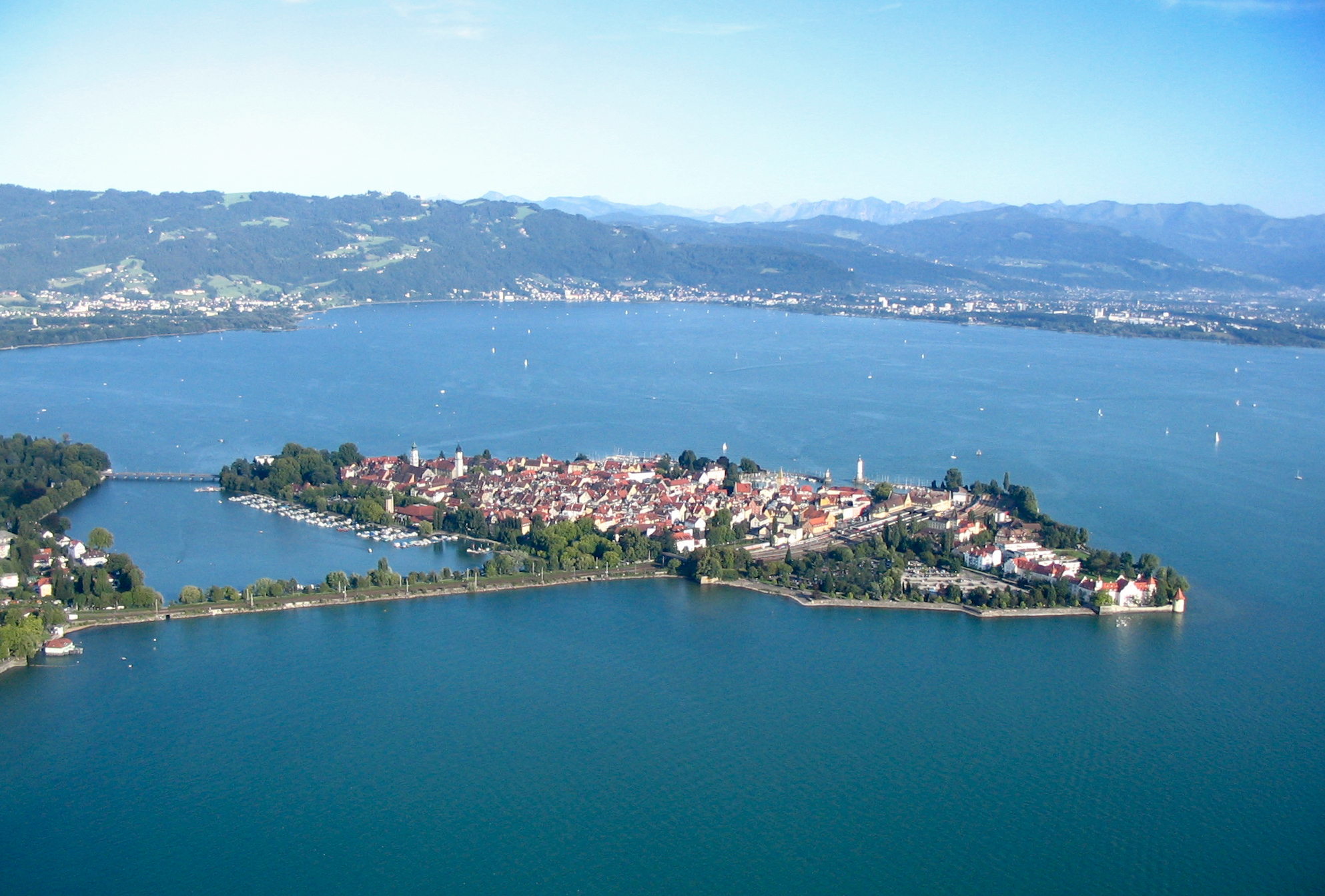
Lindau Island. Credit: CC-BY Edda Praefcke

Continue reading “Lindau: Return to Nerd Heaven: Physics is like the Godfather and this is good”

Mobility: Moving within Europe

EURAXESS representatives shared online resources and funding opportunities for those seeking to do science abroad

Contributor Ada Yee

If you’re a student seeking experiences abroad, a newly-minted PhD wanting work in industry-leading countries, or an academic looking to settle in Europe, start by typing “EURAXESS” into your Web browser.  During the Naturejobs Career Expo 2015 in Boston, Massachusetts, we heard from representatives of EURAXESS, a European Commission[https://ec.europa.eu/index_en.htm] initiative designed to encourage researcher mobility and facilitate European research careers. The workshop showcased a range of funding opportunities and resources for researchers of all training levels and—although most attendees were European—all nationalities.

EURAXESS online resource community

For those just starting with their European job search, or for those navigating an overseas transition (including visa paperwork and finding a school for your kids), the session gave a guided tour of EURAXESS’s free-to-use online resource community.

Through the jobs section of the site, job seekers can access an online job portal and upload CVs for organizations’ perusal. So far, the site has collected more than 8,500 job ads, and about 8,000 organizations—including research institutions, universities, and companies—have registered to view CVs, noted Stephanie Jannin, one of EURAXESS’s North America regional representatives.

EURAXESS services also include centers dedicated to helping researchers and their families with the logistics of moving to Europe. Jannin described “a network of over 500 professionals working in over 200 offices across Europe.” Contact information for the centers is found in the services portion of EURAXESS’s site. Continue reading “Mobility: Moving within Europe”

Funding: Opportunities in Turkey

The Turkish government is heavily investing in its science and research, partnering with international groups to create funding opportunities for scientists.

Contributor Diana Cai

Naturejobs-money
{credit}ImageSource{/credit}

The Scientific and Technological Research Council of Turkey (TUBITAK) is on a mission to recruit talented scientists around the world and reverse the “brain drain,” or the emigration of well-educated people to other countries. Since the mid-1960s, after Turkey experienced its first military coup d’état in 1960, talented researchers have fled the country in search for more security and better opportunities. Over the past decade, the Turkish government has become vigilant of the trend, increasing research funds to help address the problem.

According to a press release issued by the Turkish Statistical Institute in November 2014, research and development expenditures grew from 0.48% of the country’s Gross Domestic Product (GDP) in 2003 to 0.95% in 2013. In 2013, the GDP of Turkey was $822.1 billion, with an average annual inflation-adjusted growth rate of 4.9% from 2003-2013. As a result, Turkey hopes to position itself as an attractive option for both Turkish nationals and foreign citizens wishing to conduct cutting-edge research. Continue reading “Funding: Opportunities in Turkey”

Prioritizing ‘bottom-up’ investments in infrastructures, as well

In this month’s editorial we discuss the importance of prioritizing funds for researcher-originated projects, such as those supported by the European Research Council (ERC) over thematically-defined grants inEurope’s next program for research and innovation.

In addition to the ERC, another instrument that will be of critical importance for the competitiveness of Europe’s researchers is good access to world leading research infrastructures.

In 2002, the European Union set up the European Strategy Forum on Research Infrastructures (ESFRI), a group of senior science administrators who advise national governments and the European Commission on infrastructure needs. In 2006, the ESFRI released its first roadmap: a list of 35 infrastructure projects that the forum deemed to be of pan-European interest. This roadmap has been subsequently updated to include a total of 44 initiatives and after several years of financial support to the ‘preparatory’ phases, some of these projects are finally ready to enter the critical ‘realization phase’.

However, taking all 44-initiatives through the construction phase is estimated to cost the EU ten times more than the funds allocated to these projects under FP7. Horizon 2020’s proposed budget follows a similar trend.

To ensure that at least the most successful projects defined under ESFRI see the light of day, ESFRI needs more funds and more power to act.

As discussed in a prior editorial, the creation of the ESFRI was an important first step, but not enough, as the forum neither funds the projects nor sets explicit priorities among them. Following the model of the ERC, ESFRI should be given the autonomy to evaluate infrastructure projects on the basis of their scientific promise, prioritize them and, ultimately, to fund them.

The creation of such a ‘European Research Infrastructure Council’ should be accompanied by the necessary stimulus in funds so that successful projects make it through the realization phase and investments that have already been made can be fully exploited.

Companies leave gaps in chemical safety information

Chemical companies in Europe are not providing sufficient information on the hazards and risks of the substances they produce to ensure their safe use by citizens, says a report from the European Chemical Agency (ECHA), Europe’s chemical regulator.

In a report published on 27 February, the agency finds that companies are not complying with a new European Union (EU) law — REACH (registration, evaluation, authorization and restriction of chemicals) that came into force in 2006.

Nature first revealed problems with companies’ compliance with the law in July last year (see Data gaps threaten chemical safety law). At the time, Jukka Malm, director of regulatory affairs at the ECHA, told Nature: “Industry has not taken full responsibility for the quality of data.”

The ECHA says that it has identified “deficiencies” in the safety reports submitted by companies, which detail substances’ hazards, uses or potential exposures, risks and risk-management measures. Given the missing information, the “safe use of chemicals cannot be achieved”, the agency says.

In 2011, the ECHA checked 146 dossiers containing chemical-safety information submitted by companies as required by law. Of these, 134 lacked sufficient data and the ECHA had to request that companies fill these information gaps.

In particular, companies are not properly identifying the substances they produce. This “undermines the pertinence of the hazard information” supplied by companies and of information on how to use the substances safely, says the agency.

The ECHA calls on companies to “proactively” update and improve the quality of the information they have provided on the substances they produce.

Would you return to your home country to set up a lab?

Last week EMBO announced the recipients of its 2011 Installation Grants – a round of funding that supports scientists who want to relocate to a country that is currently building its fundamental research capacity. The 2011 grants, which comprise an annual award of 50,000 euros for three to five years, will enable seven scientists to set up laboratories in the Czech Republic, Poland, Estonia and Turkey.

One of the recipients, Nurhan Özlü, has returned to her home country of Turkey after spending ten years in the United States. In an EMBO podcast, she says that for a junior group leader, establishing a lab in a country that’s growing its scientific capacity has several benefits, but she also has to adapt to a developing research infrastructure. “[In the United States] all the facilities, resources and services were available and if I purchased something it arrived the next day,” she says. “[In Turkey] experiments take a lot more effort and time.”

In a Nature Careers article on the topic from 2009, the head of a lab in the Czech Republic said that while the research infrastructure was comparable to Germany and the United States, it was necessary to assemble attractive salaries from several sources of funding.

Would you trade a scientific powerhouse such as the United States for a country with a less-developed research infrastructure if it meant you could set up your own lab? Have you already done so and thrived on the opportunity? Let us know your thoughts and experiences. The next application deadline for EMBO Installation Grants is 15 April 2012.

Sustainability is a fast-growing field, says study

The number of scientists publishing research relating to sustainability is doubling every eight years, according to research from Los Alamos National Laboratory and Indiana University in the United States.

Research into sustainability has become a field of science in its own right, say the study authors, and is growing exponentially despite the economic downturn of the late 2000s.
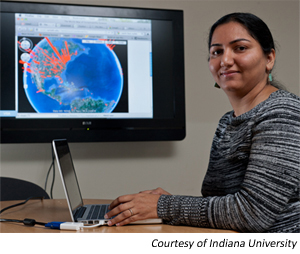
sustainability-kaur.jpgThe field has a wide geographic spread and is prominent in locations with political and economic power. “The world’s leading city in terms of publications in the field is Washington DC, outpacing the productivity of Boston or the Bay Area,” explains study co-author Jasleen Kaur (right), a PhD student in Indiana University Bloomington’s School of Informatics and Computing.

Bob Peoples, director of the American Chemical Society’s Green Chemistry Institute, based in Washington DC, was surprised that the city was top when it came to productivity, but said the high concentration of government bodies and non-governmental organisations (NGOs) could be a factor.

In Europe, productive cities include London, Stockholm and Wageningen. Other regional centres that produce a high number of papers include Nairobi, Cape Town, Beijing, Melbourne and Tokyo. Smaller universities and laboratories are strong in the field as well as national research centres.

But is the growth of the field in itself sustainable? Peoples believes so – and says it will translate into new job opportunities. The green chemistry industry, for example, “is forecast to grow to $100 billion by 2020,” he says. “That’s a 48% annual growth rate. This will certainly correlate with jobs since it requires different skill sets and training.”

Scientists interested in moving into sustainability research should build a multidisciplinary set of knowledge, contacts and tools, he advises. For green chemistry in particular, topics that researchers need an awareness of include mechanistic toxicology and life-cycle analysis as well as chemistry.

The productivity findings, published later this week in the Proceedings of the National Academy of Sciences, come from an analysis of more than 20,000 academic papers published between 1974 and 2010.

Related articles:
Ten tips on getting recruited abroad

At the recent Naturejobs Career Expo in London, Michael Schneider from Imperial College London spoke about how to maximise your chances of getting recruited overseas. Schneider, currently director of Imperial’s British Heart Foundation Centre of Research Excellence, studied at Harvard, the University of Pennsylvania, and Duke, followed by research training at the US National Institutes of Health (NIH). In our final follow-up to the Expo we present a summary of his advice – if you have any tips to share, please add them below.

  1. If you’re at an early stage of your science career, be aware that a strong academic record is not enough to secure a position abroad. “Posts go to those with something more [than excellent qualifications],” says Schneider.
  2. Early research experience is the key discriminator – and it should be sustained or unusually intensive.
  3. If you’re still studying, find high-impact summer and winter research opportunities – examples that Schneider highlighted include the Erasmus student exchange programme in Europe and the Cold Spring Harbor Undergraduate Research Program (URP) in the United States.
  4. You’ll need to make personal contacts with overseas scientists – and email is generally the best way to make initial speculative enquiries with overseas labs.
  5. Don’t focus exclusively on the usual suspects – in the United States for example, Schneider says there are at least a dozen universities where mentors are as good as at prestigious institutes such as Harvard, MIT, University of California and Stanford – but there is less competition because they are less well-known.
  6. Try to have complete research ‘stories’ – and be aware that for this reason completing a three-year PhD can put you at a disadvantage against those whose PhDs typically last longer, such as in the United States.
  7. Fund yourself if possible.
  8. Carefully check the eligibility criteria of funding opportunities – for example the US NIH only offers postdoc fellowships to US citizens, with one exception, says Schneider – the Pathway to Independence Award (K99-R00) is open to overseas applicants.
  9. When considering a career move, vertical promotion – where you move up within the same institution – can be counter-productive, says Schneider: “Research funders typically prefer to see relocation as proof of independence.”
  10. When considering who to apply to, make sure you check where your potential superior publishes, and also where their trainees have gone afterwards.