
Cohen et al., Nature Genetics, 2016
Antibiotics emerged as miracle drugs and “silver bullets” in the early 20th century, revolutionizing medicine and our ability to combat infectious disease while positively impacting health and lifespans on a large scale. This remarkable triumph held steady for many years, and consequently antibiotic research and development diminished as a priority due to the seeming defeat of bacterial infections. However, the selective pressure that came with antibiotic exposure led to the development of bacterial resistance to these compounds, motivating renewed interest in what is now an extremely important public health issue. Mechanisms of resistance are many and ever-evolving, and we know now that it is not a matter of IF bacteria will become resistant to a class of antibiotics, but when. The search for new and potentially exploitable bacterial vulnerabilities, then, becomes a constant enterprise in order for us to keep pace with the bacteria in the antibiotics/resistance arms race.
Cohen et al., Nature Genetics, 2016
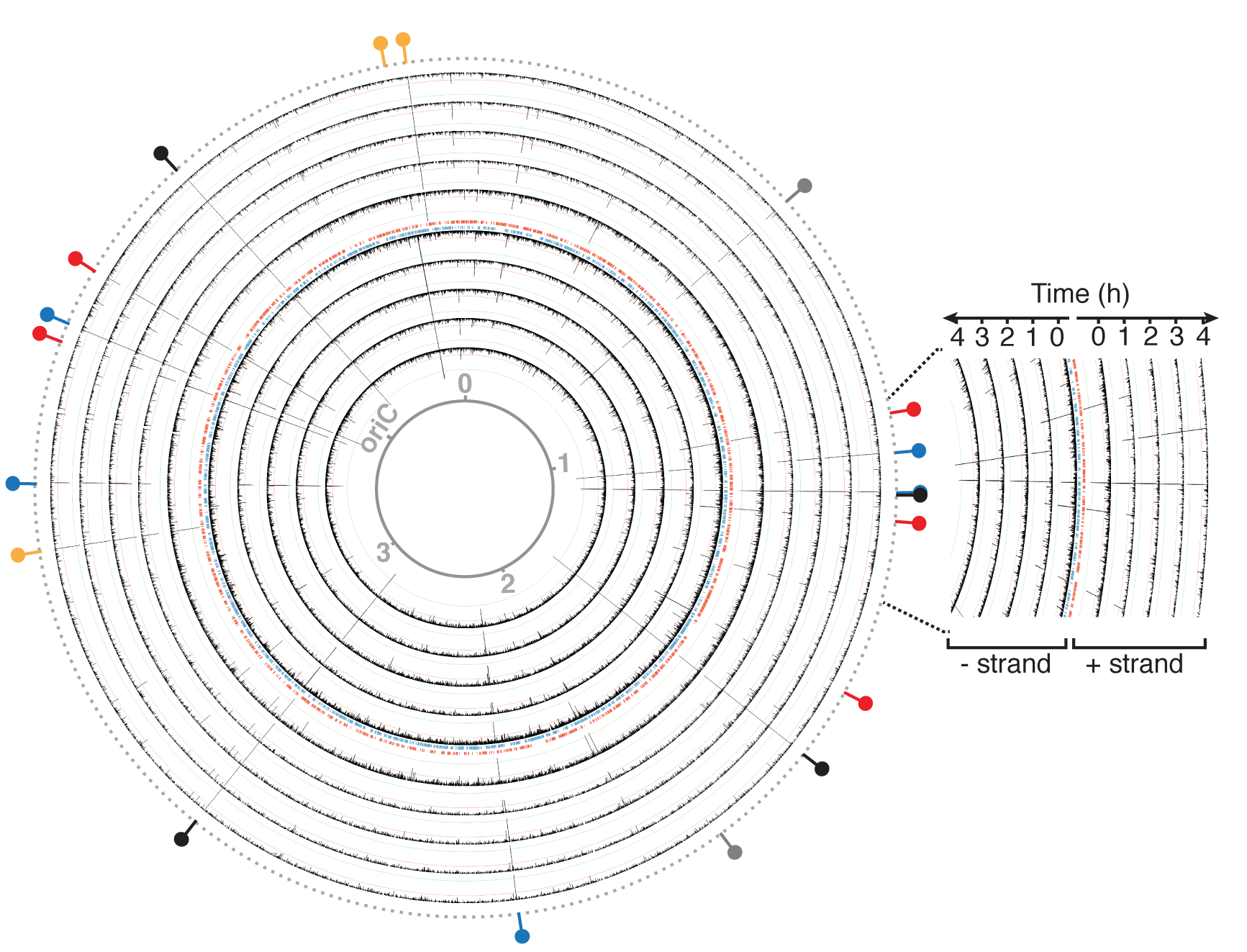
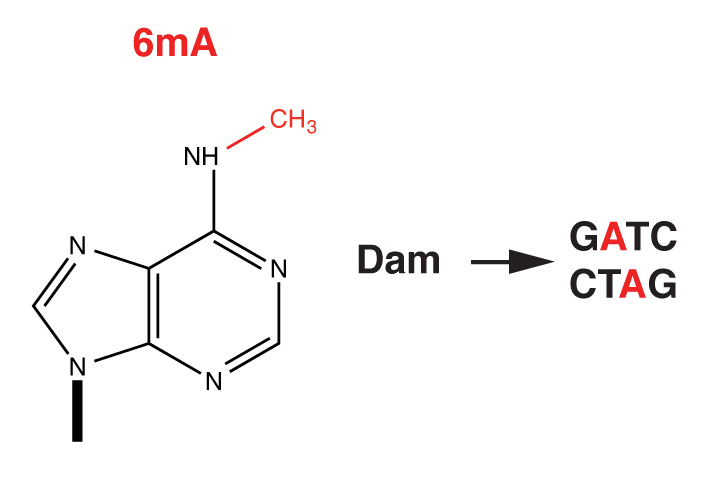
A new study this week in Nature Genetics describes how manipulating the bacterial DNA methylome affects susceptibility to multiple classes of antibiotics. The authors observed that deleting the dam gene, encoding a DNA methyltransferase, from E. coli causes increased susceptibility to sub-lethal doses of the β-lactam antibiotic ampicillin. Dam specifically methylates GATC sites, and deletion of any of the other three DNA methyltransferases found in E. coli had no effect on the level of antibiotic susceptibility. Using SMRT sequencing, the authors saw that genome-wide GATC methylation patterns did not change after exposure to ampicillin, so they sought alternative explanations for the observed phenotype. Continue reading