A multidisciplinary forum for machine intelligence

Now open for submissions, Nature Machine Intelligence will study all aspects of intelligent machines by exploring a broad spectrum of topics across artificial Intelligence and robotics, as well as their connections with other fields. We will publish original research, Reviews, Perspectives, Comments, News Features, and News & Views articles.

This guest blog comes from Liesbeth Venema, Chief Editor and Trenton Jerde, Senior Editor at Nature Machine Intelligence

For several decades, research in artificial intelligence and, in parallel, in robotics has been making steady progress. But recently, the pace of developments has accelerated due to well-known factors such as the availability of computing processing power, widespread use of the internet, mobile devices, low-cost sensors and cameras, and the resulting proliferation of big data. Indeed, we regularly hear how artificial intelligence will reinvigorate various technologies, transform society, help address longstanding research questions and – on the flipside – how it poses short- and long-term risks for humanity.

Several years of fast-paced advances in deep learning applications have given us speech recognition, language translation, and image classification applications with close to or surpassing human ability. Current research aims to develop AI systems with wider applicability that will safely interact with humans and the physical world. Different concepts and approaches – machine learning, symbolic reasoning, cognitive science, developmental psychology, robot control engineering, human-machine interactions among others – are increasingly brought together for such goals. Furthermore, scientists from all fields are exploring how emerging concepts from AI can be used to process large amounts of data and transform their disciplines.

Launching in January 2019

By launching Nature Machine Intelligence, we will provide the research community with a forum for these themes and explore a broad spectrum of topics that connect various scientific disciplines with Machine Intelligence, and cover the implications of recent advances for science, society and industry.

We welcome submissions from all fields, including computer science and robotics, but also, for example, from biology, medical sciences, physical sciences, cognitive sciences, and social sciences, since intelligent machines have become important for most disciplines. We are especially interested in topics at the intersection between different fields and will cover diverse perspectives to scientific questions by bringing together authors from different areas. Topics of interest include, but are not limited to, engineering of AI systems and robots, human-machine interactions, fundamental research on natural and artificial intelligence, integration of AI approaches in physics and biology, and AI algorithms in society.

We have a dedicated team of in-house manuscript editors, production editors and editorial assistants in place. Our editors will engage with research communities in academia and industry to provide exceptional author and reviewer service. The journal will uphold high reproducibility standards and high-quality editorial and publishing policies.

Nature Machine Intelligence will commission Comments, Reviews, News & Views articles, and news features to put specific research in a wider context, provide background and perspective, and make scientific discoveries accessible beyond experts. The journal will also discuss community, policy and ethical issues in artificial intelligence and adjacent fields. Nature Research’s experienced press team will ensure that research is responsibly and accurately communicated to the media, helping to share authors’ research with the widest possible audience.

Nature Machine Intelligence is a subscription-based journal, and using this model for a journal in the space of artificial intelligence has generated discussion in the research community in recent months. We believe that the most viable way to produce a journal that reaches out to a wide, interdisciplinary audience, enabled by the editorial investment discussed above, is to spread the costs across many readers.

Editorial and publishing policies

Our intention is for Nature Machine Intelligence to be an informative and stimulating resource for scientists from many fields as well as for anyone who has a professional or personal curiosity about what is possible – and what is not – in artificial intelligence and robotics.

  • Importantly, authors remain owners of the content of their research papers and we encourage preprint posting such as via arXiv or bioArxiv (for full policy, see here).
  • Like all Nature-branded journals, Nature Machine Intelligence enables the sharing of published PDFs via SharedIt, Springer Nature’s content-sharing initiative that was first successfully trialled with Nature-branded journals in 2014. SharedIt provides authors and readers with links to view-only, full-text versions of papers. The links can be posted anywhere, including via social media channels and on other highly-used sites, institutional repositories and authors’ websites, as well as on scholarly collaborative networks. An example of a SharedIt article in Nature Electronics is given here: https://rdcu.be/PuVR. Additionally, Nature-branded journals collaborate with ResearchGate to enable the sharing of published papers.
  • Nature Research journals work to ensure that articles meet the highest standards of reproducibility and transparency in reporting. At Nature Machine Intelligence, the editors will work with authors and reviewers to pay close attention to the peer review and sharing of data and code.
  • The journal will encourage authors to adopt open source code and data practices. Code will be peer reviewed where relevant. Nature-branded journals strongly encourage researchers to use repositories such as GitHub to share their code during submission and upon publication and strongly recommend using licenses approved by the Open Source Initiative.
  • Nature-branded journals are involved in Springer Nature’s partnership with the Research4life programme. This initiative offers free or low-cost online access to relevant journals to researchers in the world’s poorest countries.

Nature Machine Intelligence is now open for submissions. Find out more here: www.nature.com/natmachintell

International Women’s Day 2018 – supporting equity in the physical sciences

This guest blog comes from May Chiao, Chief Editor of Nature Astronomy.

In the 1990s when I was studying physics, women were scarce, and it’s difficult to say who complained more about that, the men or the women! Since then, the proportion of women researchers in science has reached 40% or more in the USA, Canada, Australia, Brazil and Western Europe. Notably, Brazil and Portugal are near parity. But most of the women work in the life sciences. In the physical sciences, female representation remains below a quarter.

At Nature Research, the diversity of our authors and referees, not to mention our own staff, is very important. Our physical science journals are striving to find ways improve. From selecting a variety of reviewers (concerning gender, experience, geographic location) to asking those reviewers to expand our pool of our referees, we are constantly trying to reach more people.

To celebrate International Women’s Day today, we offer a collection of articles that highlight gender inequity or promote inclusivity in the physical sciences. We hope they will provide food for thought. And for change.

These articles included in this blog are free to access for a limited time.

Quantitative evaluation of gender bias in astronomical publications from citation counts

Nature Astronomy 1, 0141 (2017); doi:10.1038/s41550-017-0141

Gender discrimination is very much an issue in academia generally and in astronomy specifically. Through machine learning techniques, astronomy papers authored by women are shown to have 10% systematically fewer citations than those authored by men.

Considering climate in studies of fertility and reproductive health in poor countries

Nature Climate Change 7, 479–485 (2017); doi:10.1038/nclimate3318

Factors related to fertility such as population size, composition and growth rate may influence a community’s ability to adapt to climate change, particularly in poor countries. This Perspective describes theories and analytic strategies that can link climate to reproductive health outcomes.

A research agenda for a people-centred approach to energy access in the urbanizing global south

Nature Energy 2, 776–779 (2017); doi:10.1038/s41560-017-0007-x

Urban households in the global south face unique energy access challenges. This Perspective outlines a research agenda based on understanding the needs of urban energy users to promote inclusive urban energy transitions.

Gender differences in recommendation letters for postdoctoral fellowships in geoscience

Nature Geoscience 9, 805–808 (2016); doi:10.1038/ngeo2819

Gender disparities in science are well documented. An analysis of 1,224 recommendation letters from 54 countries for geoscience postdoctoral fellowships reveals that women are half as likely to receive an excellent letter as men.

Rethink your gender attitudes

Nature Materials 13, 427 (2014); doi:10.1038/nmat3975

Unconscious biases are a roadblock for gender equality in science.

Obituary: Mildred S. Dresselhaus (1930–2017)

Nature Nanotechnology 12, 408 (2017); doi:10.1038/nnano.2017.90

Mildred (Millie) Dresselhaus, a pioneer and world leader in nanoscience, passed away on 20 February 2017.

Inequality or market demand?

Nature Photonics 5, 639 (2011); doi:10.1038/nphoton.2011.282

A recent salary survey conducted by SPIE indicates that optics professionals working in North America are likely to earn significantly more than those elsewhere.

Physics for a changing world

Nature Physics 6, 828–829 (2010); doi:10.1038/nphys1830

Fifty years ago, Abdus Salam envisaged a ‘world centre’ for theorists. Now the institute that he founded is adapting to a changing world and to changing ways of doing science.

In addition, Nature Astronomy has published a Focus issue on gender equity: https://www.nature.com/collections/wmzzzfjpyz

Our pick of graphene papers from 2017

Looking back, 2017 was a great year for advances in graphene research. Lightweight and flexible, yet durable, graphene consists of a single layer of carbon atoms arranged in a hexagonal lattice. The material has been used to better solar panel technology, to enhance medical devices, and for the overall benefit of chemical and industrial processes. Nature Research presents a curated collation of graphene papers from our journals’ research portfolio during 2017.

Nature CommunicationsPEGylated graphene oxide elicits strong immunological responses despite surface passivation

Altmetric Score: 172

In the case of cancer treatment, to target specific tumours in the body, researchers have developed techniques where drug molecules are attached directly to the surface of a graphene sheets. Combining the nanomaterial and the drug molecules, these “nanotherapies” could help clinicians treat tumours by transporting the drugs directly to the tumours, where they can be released onto the cancer cells to help fight the disease. The findings are reported in Nature Communications.

Nature Communicationsp-wave triggered superconductivity in single-layer graphene on an electron-doped oxide superconductor

Altmetric Score: 292

Researchers have found a way to trigger the innate, but previously hidden, ability of graphene to act as a superconductor – meaning that it can be made to carry an electrical current with zero resistance. The finding, reported in Nature Communications, further enhances the potential of graphene, which is already widely seen as a material that could revolutionise industries such as healthcare and electronics.

Nature NanotechnologyTunable sieving of ions using graphene oxide membranes

Altmetric Score: 1032

A study published in Nature Nanotechnology describes a graphene membrane that can desalinate seawater, potentially offering easy and accessible potable water globally. The filtration system works by precisely controlling the membrane’s pore size to sieve common salts out of salty water.

NatureRemote epitaxy through graphene enables two-dimensional material-based layer transfer

Altmetric Score: 152

A novel cost-effective method that uses graphene as a “copy machine” to transfer intricate crystalline patterns from an underlying semiconductor wafer to a top layer of identical material is reported in Nature. Researchers worked out carefully controlled procedures to place single sheets of graphene onto an expensive wafer, and then grew semiconducting material over the graphene layer. The findings indicate that graphene is thin enough to appear electrically invisible, allowing the top layer to see through the graphene to the underlying crystalline wafer, imprinting its patterns without being influenced by the graphene.

Nature PhotonicsBroadband image sensor array based on graphene–CMOS integration

Altmetric Score: 247

A paper published in Nature Photonics, describes a method that combines a graphene semi-conductor device with quantum dots to create an array of photodetectors, producing a high resolution image sensor. When used as a digital camera this device is able to sense UV, visible and infrared light at the same time. This is just one example of how this device might be used, others include in microelectronics, sensor arrays and low-power photonics.

Nature CommunicationsGraphene balls for lithium rechargeable batteries with fast charging and high volumetric energy densities

Altmetric score: 246

Researchers have developed a unique “graphene ball”, designed to increase battery capacity by 45 per cent, according to a paper published in Nature Communications. While current research initiatives have advanced the technology behind lithium-ion batteries, these developments must often sacrifice capacity over charging speed, and vice versa.

Nature NanotechnologyUltrahard carbon film from epitaxial two-layer graphene

Altmetric score: 220

A study published in Nature Nanotechnology describes a process for creating diamene: flexible, layered sheets of graphene that temporarily become harder than diamond and impenetrable upon impact. Researchers worked to theorize and test how two layers of graphene could be made to transform into a diamond-like material upon impact at room temperature. They also found the moment of conversion resulted in a sudden reduction of electric current, suggesting diamene could have interesting electronic and spintronic properties. The new findings will likely have applications in developing wear-resistant protective coatings and ultra-light bullet-proof films.

 Nature CommunicationsIntegrated arrays of air-dielectric graphene transistors as transparent active-matrix pressure sensors for wide pressure ranges

Altmetric Score: 151

Researchers have created a three-dimensional, tactile sensor that could detect wide pressure ranges from human body weight to a finger touch. Using highly-conductive and transparent graphene transistors with air-dielectric layers, the sensor can detect different types of touch-including swiping and tapping. Reported in Nature Communications, the apparatus is capable of generating an electrical signal based on the sensed touch actions while consuming far less electricity than conventional pressure sensors.


Scientific ReportsMulti-frequency sound production and mixing in graphene

Altmetric score: 160

A pioneering new technique that encourages graphene to “talk” could revolutionise the global audio and telecommunications industries, according to a study published in Scientific Reports. Researchers devised a method to use graphene to generate complex and controllable sound signals. In essence, it combines speaker, amplifier and graphic equaliser into a chip the size of a thumbnail.


Nature CommunicationsRoom temperature organic magnets derived from sp3 functionalized graphene

Altmetric Score: 540

By using graphene treated with other non-metallic elements, researchers have devised the first non-metallic magnet that retains its magnetic properties up to room temperature, reports a study published in Nature Communications. Such chemically modified magnetic graphene has a vast range of potential applications, particularly in the fields of biomedicine and electronics.


Chinese New Year | 2018: Year of the Dog

Happy Chinese New Year! 2018 is the Year of the Dog, so we’ve put together a list of our favourite canine-related research papers from recent years. Nature Research invites readers to learn about the effects of domestication in canines, similarities in the genome of ancient and modern dogs, through to how human cardiovascular systems have benefited from their companionship.

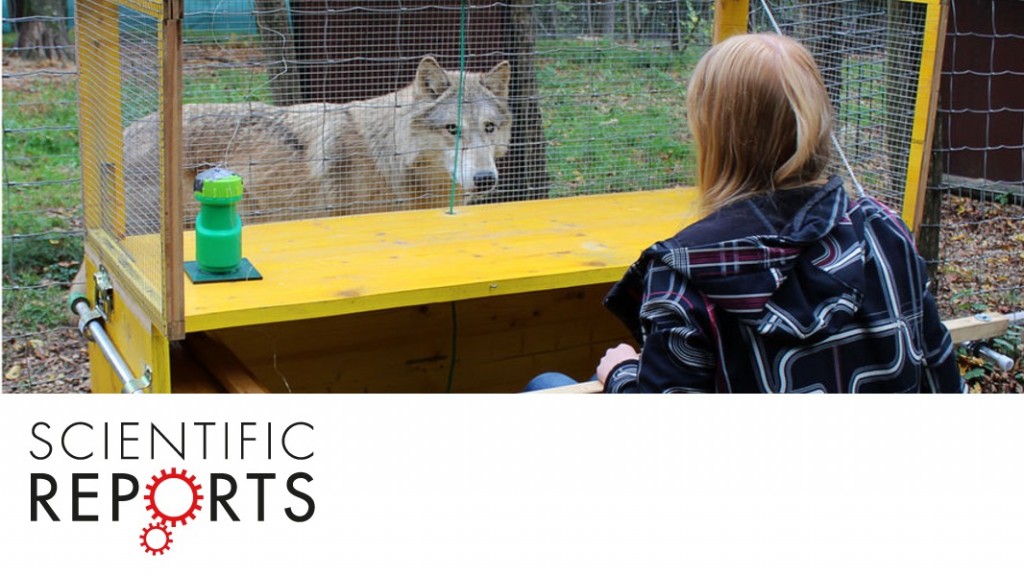
Scientific ReportsThe effects of domestication and ontogeny on cognition in dogs and wolves

A study published in Scientific Reports based on where dogs and wolves searched for food after receiving hints, finds our domesticated companions cannot make the connection between cause and effect, but wolves can. The results from this study involving 12 captive wolves, 14 dogs and 12 pet dogs suggest that domestication may have reduced the independent problem-solving abilities of dogs in specific situations.

https://go.nature.com/2Bw1RHo


Scientific ReportsBirth of clones of the world’s first cloned dog

In 2005, researchers reported the first dog to be cloned – an Afghan hound named ‘Snuppy’. Since then, hundreds of other dogs have been cloned, offering an opportunity to learn more about the potential benefits and possible drawbacks of cloning animals. A paper published in Scientific Reports describes the creation and clinical follow-up of 4 clones using adipose-derived mesenchymal stem cells from Snuppy as donor cells.


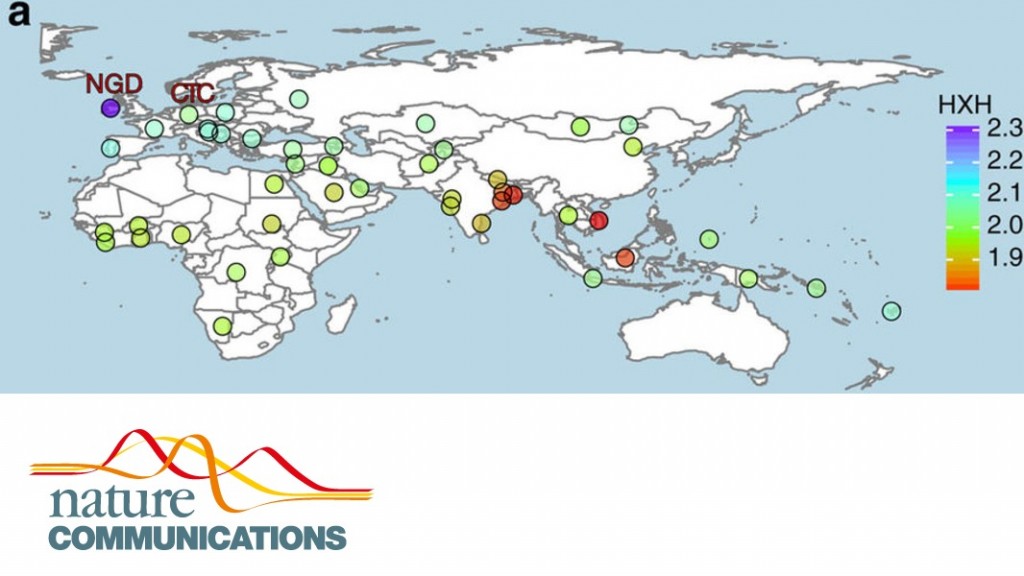
Nature Communications – Ancient European dog genomes reveal continuity since the Early Neolithic

The genome of ancient European dogs is similar to that of modern dogs, reports a paper published in Nature Communications. The study also suggests Europe was the centre of modern dog evolution, harbouring the oldest uncontested Palaeolithic remains.

https://go.nature.com/2o9zWon


Scientific Reports – Dog ownership correlates with lower rates of mortality and cardiovascular disease

Dog ownership appears to be associated with lower risk of cardiovascular disease in single-person households and lower mortality in the general population, reports a paper published in Scientific Reports.

https://go.nature.com/2Eyiq8k


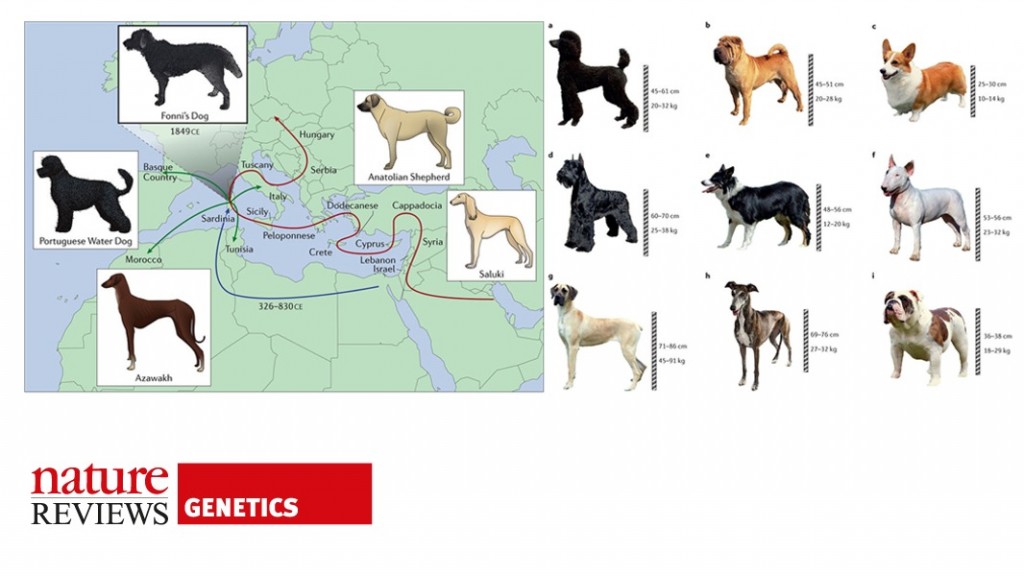
Nature Reviews Genetics – Demographic history, selection and functional diversity of the canine genome

Despite being a single species, dogs represent nearly 400 breeds with substantial genetic, morphological and behavioural diversity. Published in Nature Reviews Genetics, this Review discuss how genomics studies of dogs have enhanced our understanding of dog and human population history, the desired and unintended consequences of trait-based selective breeding, and potentially human-applicable insights into cancer, ageing, behaviour and neurological diseases.

https://go.nature.com/2o3h9vC

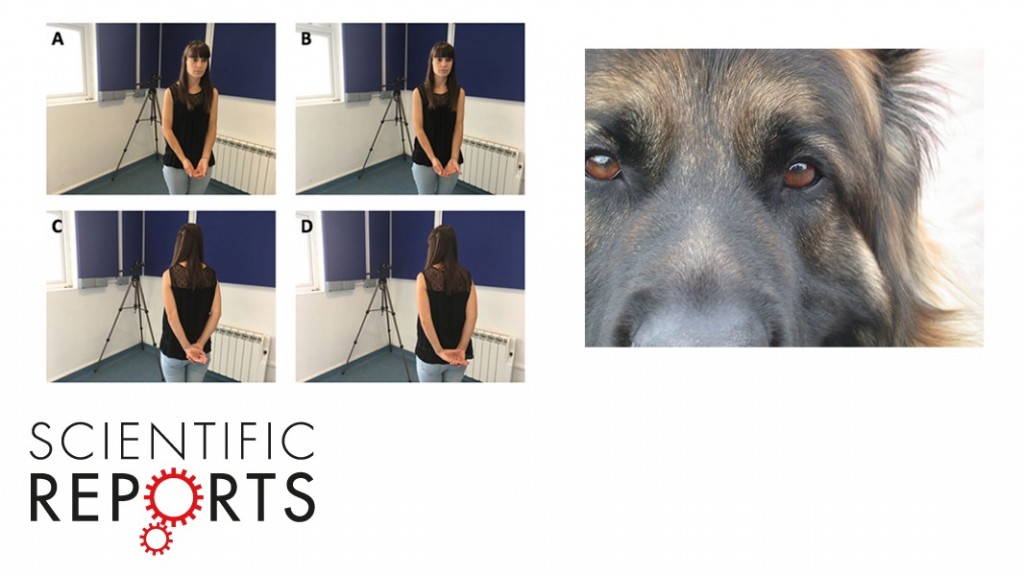
Scientific Reports – Human attention affects facial expressions in domestic dogs

An initial study published in Scientific Reports suggests dogs produce facial expressions communicatively and increase their frequency based on the attention they receive from another individual. The authors argue that their data points to a more flexible system combining both emotional and cognitive processes in dogs.

An initial study published in Scientific Reports suggests dogs produce facial expressions communicatively and increase their frequency based on the attention they receive from another individual. The authors argue that their data points to a more flexible system combining both emotional and cognitive processes in dogs.

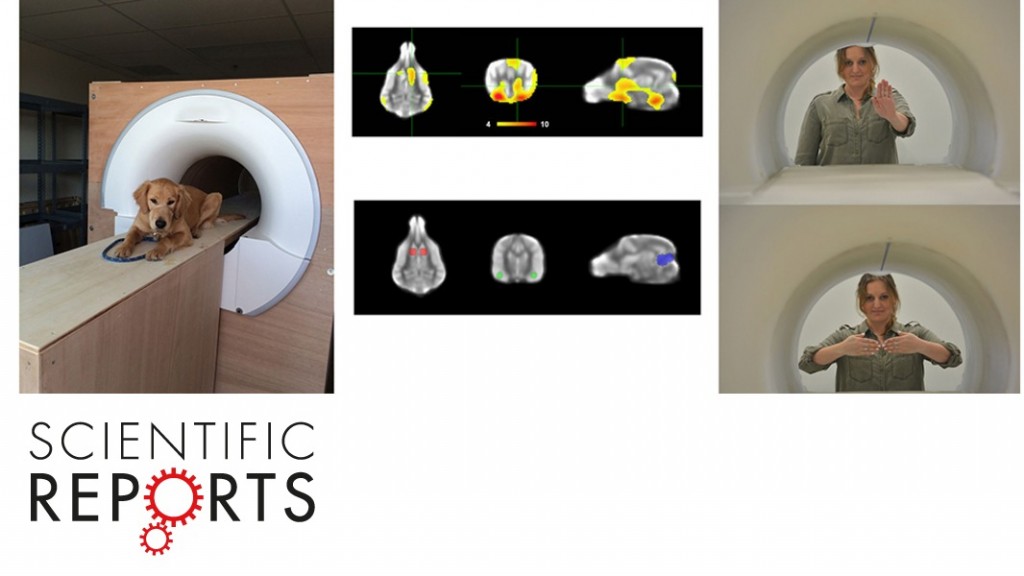
Scientific Reports – Functional MRI in Awake Dogs Predicts Suitability for Assistance Work

Brain scans of canine candidates to assist people with disabilities may help predict which dogs will fail a service training program, according to a study published in Scientific Reports. Data from functional magnetic resonance imaging (fMRI) of 43 dogs provided a modest, but significant, improvement in the ability to identify poor candidates. Despite calm exteriors, some of the dogs showed higher activity in the amygdala – an area of the brain associated with excitability and anxiety. These dogs were more likely to fail the training programme.


https://go.nature.com/2EGYHTd


If you want to keep up-to-date with research about dogs, why not try Recommended? It’s a free, personalised service that suggests relevant papers to you, based on what you’ve previously read, from all publishers.Recommended

The top CRISPR papers of 2017

Untitled-10

Hopes are high that CRISPR–Cas9 could one day be used in people to correct mutations that cause disease. 2017 witnessed incredible advances in the gene editing technology – we present a synopsis of the most popular CRISPR papers published in Nature Research journals from the past year, measured by their Altmetric Attention Score.

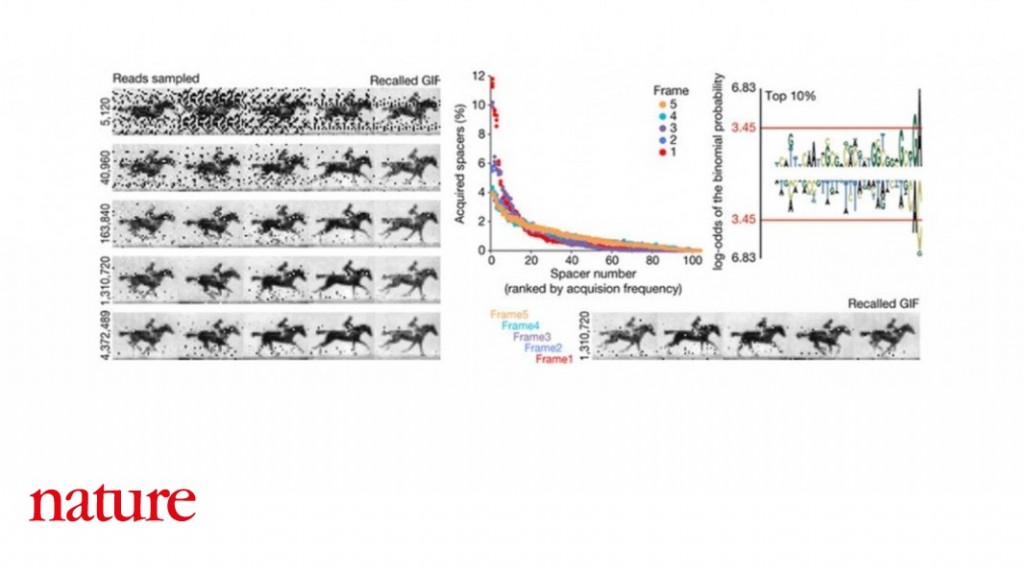
Nature – CRISPR–Cas encoding of a digital movie into the genomes of a population of living bacteria

Altmetric Score: 3023

Moving images have been encoded into the DNA of bacteria using the CRISPR system. This achievement, published in Nature, expands on previous demonstrations that DNA provides a promising medium for storing digital data within living cells.https://go.nature.com/2Ctoq0O

Nature Communications – Real-space and real-time dynamics of CRISPR-Cas9 visualized by high-speed atomic force microscopy

Altmetric Score: 924

Researchers have visualized the dynamics of the CRISPR-Cas9 complex, providing valuable insights into the CRISPR-mediated DNA cleavage mechanism. The high-speed function, described in a Nature Communications paper, has enabled fast, film-like scans of the biomolecules taking part in the molecular scissoring action.


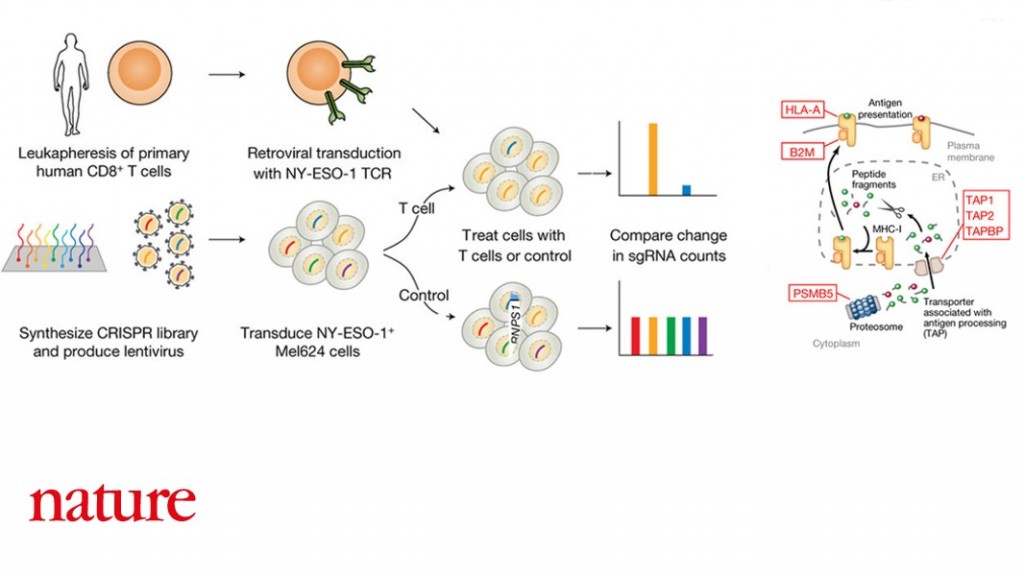
Nature – Identification of essential genes for cancer immunotherapy 

Altmetric Score: 517

Some mutations in cancer cells make them resistant to immunotherapy. Researchers have designed a ‘two-cell-type’ CRISPRCas9 screen to identify tumour-intrinsic genetic mutations associated with the sensitivity of melanoma cells to effector T cell function. Candidate genes identified include mediators of MHC class I antigen presentation, and genes unknown to be involved in these immunity processes. Published in Nature, the authors highlight the interaction between T-cell-secreted apelin and its receptor APLNR on tumour cells as a node for potent T-cell-mediated killing of cancer cells.

https://go.nature.com/2BDFlsn


Nature Communications – Targeted activation of diverse CRISPR-Cas systems for mammalian genome editing via proximal CRISPR targeting

Altmetric Score: 465

Researchers have developed a new genome editing tool that makes CRISPR more efficient and flexible, reports a paper published in Nature Communications. The technique, called “proxy-CRISPR”, provides access to previously unreachable areas of the genome.


Nature Reviews Genetics – Am I ready for CRISPR? A user’s guide to genetic screens 

Altmetric Score: 381

This Review, published in Nature Reviews Genetics, intends to guide users through the process of applying CRISPR technology to their biological problems of interest, especially in the context of discovering gene function at scale.

Nature – RNA targeting with CRISPR–Cas13

Altmetric score: 380

CRISPR–Cas prokaryotic defence systems have provided versatile tools for DNA editing. Here, the authors demonstrate that the class 2 type VI RNA-guided RNA-targeting CRISPR–Cas effector Cas13a (previously known as C2c2) can be engineered for RNA knockdown and binding in mammalian cells. This addition to the CRISPR toolbox, described in a Nature paper, expands its potential uses to transcript tracking and knockdown.

 Nature – In vivo CRISPR screening identifies Ptpn2 as a cancer immunotherapy target

Altmetric score: 339

A novel screening method that uses CRISPR-Cas9 genome editing technology to test the function of thousands of tumor genes in mouse models has revealed new drug targets that could potentially enhance the effectiveness of PD-1 checkpoint inhibitors – a promising new class of cancer immunotherapy. The study is published in Nature.


Nature Biotechnology – CRISPR–Cas9 epigenome editing enables high-throughput screening for functional regulatory elements in the human genome

Altmetric Score: 239

Researchers have developed a method to swiftly screen the non-coding DNA of the human genome for links to diseases that are driven by changes in gene regulation, according to a paper published in Nature Biotechnology. The technique could revolutionize modern medicine’s understanding of the genetically inherited risks of developing heart disease, diabetes, cancer, neurological disorders and others, and lead to new treatments.


Nature – Enhanced proofreading governs CRISPR–Cas9 targeting accuracy

Altmetric score: 228

One of the main concerns about the use of CRISPR in genome editing is the possibility of ‘off-target’ events. Scientists have been modifying the central enzyme involved in CRISPR editing to reduce this unwanted property. This study, published in Nature, describes a new version of the nuclease, ‘HypaCas9’, which enables more accurate editing, without substantial loss of efficiency on the desired target.

Nature Methods – Combinatorial CRISPR–Cas9 screens for de novo mapping of genetic interactions

Altmetric Score: 215

Reported in Nature Methods, researchers have developed a systematic approach to map human genetic networks by combinatorial CRISPR–Cas9 perturbations coupled to robust analysis of growth kinetics. 73 pairs of cancer genes were targeted with dual guide RNAs in three cell lines, comprising 141,912 tests of interaction. Numerous therapeutically relevant interactions were identified, and these patterns replicated with combinatorial drugs at 75% precision. Consequently, it is anticipated that cellular context will be critical to synthetic-lethal therapies.

Nature Microbiology – A CRISPR–Cas9-based gene drive platform for genetic interaction analysis in Candida albicans

Altmetric Score: 209

Researchers have developed a CRISPR-Cas9-based “gene drive” platform to create diploid strains of Candida albicans – a notorious human fungal pathogen that causes thrush and serious systemic infections – where one or both gene copies could be efficiently deleted. The technique, reported in Nature Microbiology, may lead the way toward a better understanding of drug resistance and biofilm-forming mechanisms.

If you want to keep up-to-date with CRISPR, why not try Recommended? It’s a free, personalised service that suggests relevant papers to you, based on what you’ve previously read, from all publishers.Recommended

The Great Pyramid’s void, deadly heat and more: the most popular science stories of 2017

24 of 2017’s top papers in the Altmetric Top 100 were published in Nature Research journals: Nature, Nature Communications, Nature Neuroscience, Nature Climate Change, Nature Ecology & Evolution, Nature Geoscience, and Scientific Reports.(24/100 is in fact the same number as last year.)

Launched today, the annual Atlmetric Top 100 showcases the research published this year that’s caught the public eye through international online attention. By tracking what people are saying about scholarly articles in the news, blogs, on social media networks, Wikipedia and many other sources, Altmetric calculates an Attention Score for each paper.

In this blog, our team in the Nature Research Press Office has picked some of their favourites, summarised their findings, and linked to coverage they received in the wider media. The full list is available on altmetric.com/top100/2017.

For articles from our subscription journals, the links below (and on the Altmetric page) include Springer Nature SharedIt links, which means anyone can read them. SharedIt, our free content-sharing initiative, was launched in October 2016, and last month we released data on how it’s being used.

#4 NatureCorrection of a pathogenic gene mutation in human embryos

The correction of a disease-causing mutation in preimplantation human embryos using the CRISPR-Cas9 genome-editing technique was reported in a Nature paper published in August. The findings could increase our understanding of the safety and efficacy of editing the DNA of the human germline, although many issues remain to be considered before clinical applications can be explored.

The story received extensive media coverage around the globe, featuring on the front page of The New York Times, The Washington Post and The Guardian, and generating broadcast coverage on the BBC News at Six and Ten, Good Morning America and Japan’s NHK.

#10 Nature Communications – An extra-uterine system to physiologically support the extreme premature lamb

Credit: Children's Hospital of Philadelphia

Credit: Children’s Hospital of Philadelphia

A system that supports extremely premature lambs in an external artificial womb was demonstrated in a study published in Nature Communications in April. The lambs were supported for four weeks, which is the longest time an extra-uterine device has been shown to maintain stable animal function.

Several papers ran the story in print, including the Wall Street Journal, The Times, and The Guardian. Other media articles included The Economist, STAT, El Pais, Zeit Online, Science and Le Monde. It also featured on the BBC’s Newsnight.

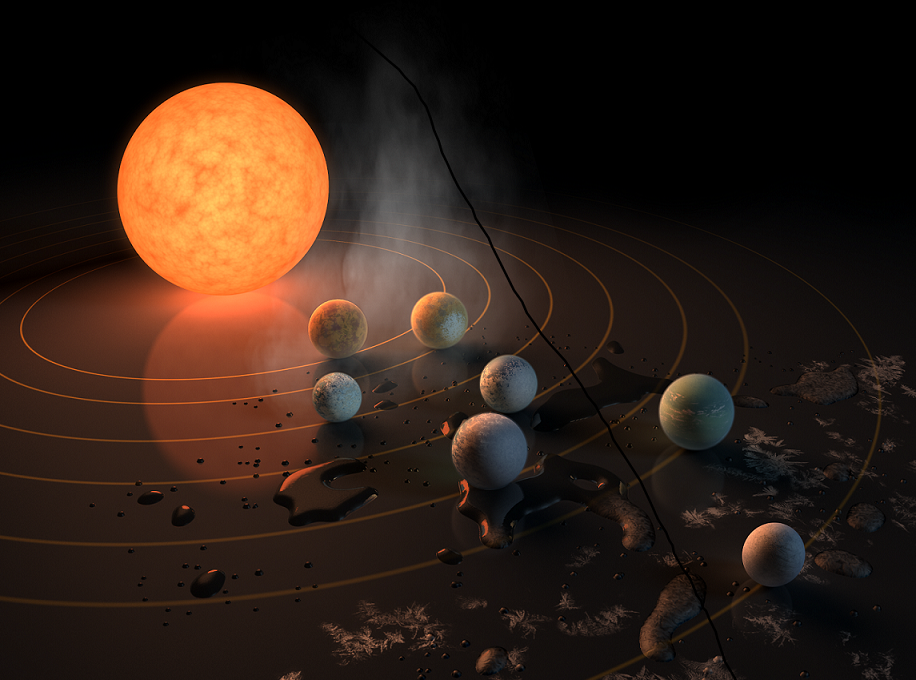
#12 Nature – Seven temperate terrestrial planets around the nearby ultracool dwarf star TRAPPIST-1

Cred: NASA/JPL-Caltech

Cred: NASA/JPL-Caltech

The discovery of seven Earth-sized extrasolar planets orbiting the nearby dwarf star TRAPPIST-1 was reported in Nature in February. The study suggested that the six inner planets in the planetary system are located in the temperate zone, where the temperature at the surfaces of these planets could be between 0 and 100 degrees Celsius.

The research was highlighted in the Google Doodle and on several front pages, including The New York Times and The Wall Street Journal. Some of the other coverage included the BBC News at Ten, The Economist, People’s Daily and Le Monde.

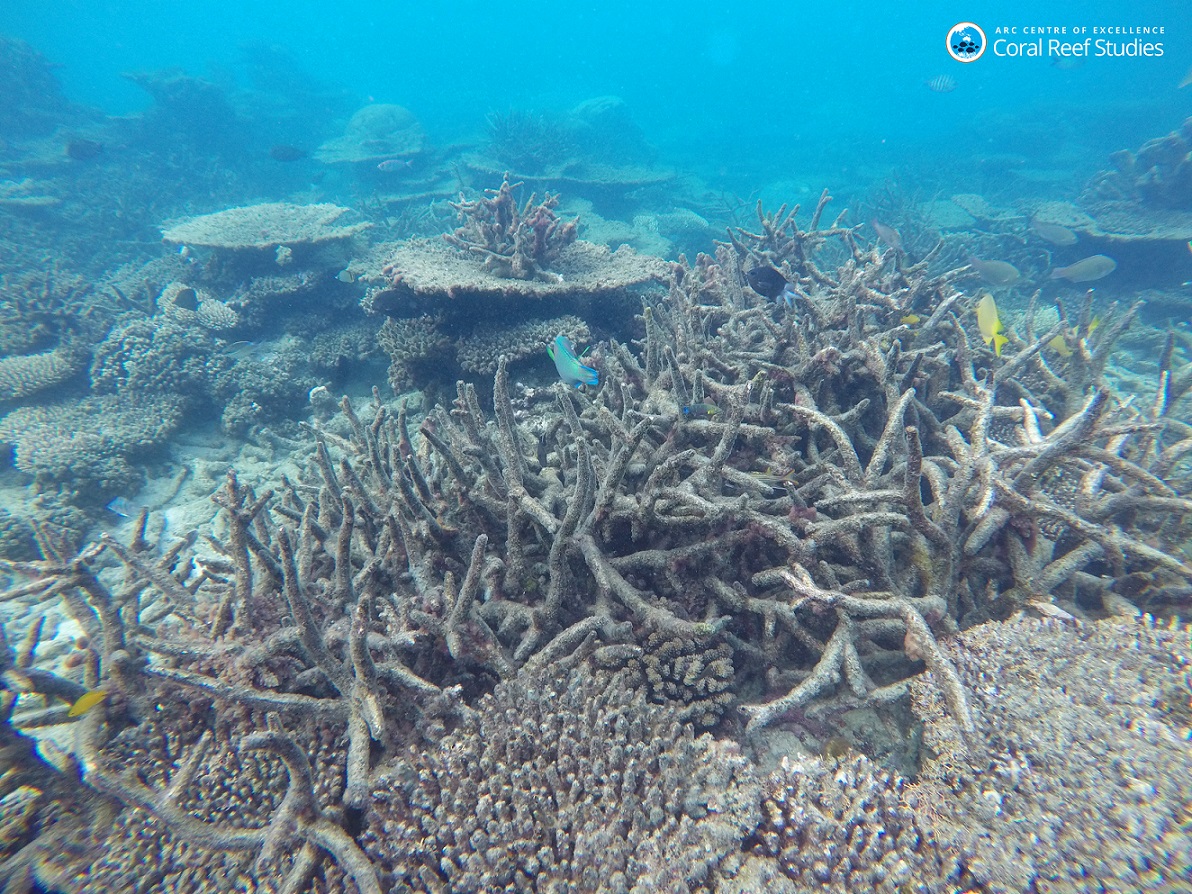
#21 NatureGlobal warming and recurrent mass bleaching of corals

Cred: Greg Torda, ARC Centre of Excellence for Coral Reef Studies

Cred: Greg Torda, ARC Centre of Excellence for Coral Reef Studies

Immediate action to reduce global warming is needed to protect coral reefs from severe bleaching events, according to a study published in Nature in March. A detailed analysis of the Great Barrier Reef over the past two decades demonstrated that extreme heat is the key driver of mass bleaching. As temperatures continue to rise, further bleaching events are likely, which may push the reef system beyond recovery, the authors concluded.

There was extensive international coverage of the story, including the front page of The New York Times, The Financial Times, NPR, PBS Newshour and Die Zeit.

#23 Nature Neuroscience – Pregnancy leads to long-lasting changes in human brain structure

Pregnancy leads to structural changes in the brain that persist for at least two years, according to a study of 25 first-time mothers published in Nature Neuroscience last December. The study found that these changes occur in regions that are involved in social cognition and that respond to images of the mother’s infant. Furthermore, the extent of the changes can predict a mother’s attachment to her child.

The story featured on Good Morning America (ABC) and CBS This Morning and was also covered by BBC News, San Francisco Chronicle, The Guardian, The Washington Post, and Xinhua.

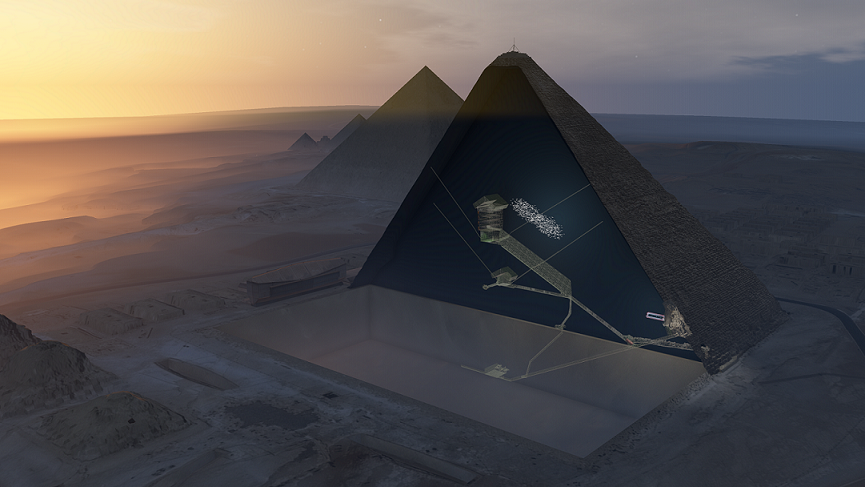
#30 NatureDiscovery of a big void in Khufu’s Pyramid by observation of cosmic-ray muons

Cred: ScanPyramids mission

Cred: ScanPyramids mission

A hidden internal structure in Khufu’s Pyramid, the largest pyramid in Giza, Egypt, was uncovered in research published in Nature in November. The discovery was made using cosmic-ray based imaging, demonstrating how modern particle physics can reveal new information about ancient structures.

The study received global media interest, including The Economist, The Guardian, The New York Times Reuters El País and Xinhua.

#42 Nature Climate Change – Global risk of deadly heat

About 30% of the world’s population is currently exposed to potentially deadly heat for 20 days per year or more, and failure to reduce greenhouse gas emissions will increase the risk substantially, reports a paper published in Nature Climate Change in June. The study suggests it is now almost inevitable that excess heat represents an increasing threat to human life, but that this threat will be greatly aggravated if greenhouse gas emissions are not considerably reduced.

Publication coincided with heat waves across the northern hemisphere, and the paper was covered by Nature, Reuters, El Mundo, Le Monde, The Guardian and National Public Radio.

#63 Nature Communications – A bioprosthetic ovary created using 3D printed microporous scaffolds restores ovarian function in sterilized mice

A 3D-printed, microporous scaffold that supports the development of mouse follicle cells (egg-producing cells found in ovaries) and can be used to restore ovary function in surgically sterilised mice was described in a Nature Communications paper published in May.

The research led to coverage by outlets including Wired, The Guardian, NPR and El Pais. It was also popular in China, resulting news stories from the likes of Sohu, Xinhua and People’s Daily.

#82 Nature Ecology & Evolution – Bioaccumulation of persistent organic pollutants in the deepest ocean fauna

A Nature Ecology & Evolution paper published in February found extremely high levels of pollution in two of the Earth’s deepest oceanic trenches, suggesting that anthropogenic surface pollution can reach the farthest corners of the Earth. It was covered by The Wall Street Journal,  BBC News, NPR, People’s Daily, The Guardian, and The Washington Post.

Want to write for Nature Geoscience? Tell us your Geostory

With a little twisting, the continents fit together like a jigsaw puzzle.

Observations of matching rock units and fossils added to evidence that now distant continents were once linked. In 1912, Alfred Wegner proposed that instead of long-disappeared land bridges between Europe and America, the continents were instead joined, then pushed across the oceans to their present positions. This idea proved highly controversial, as did his speculation that seafloor volcanoes could be the driving force.

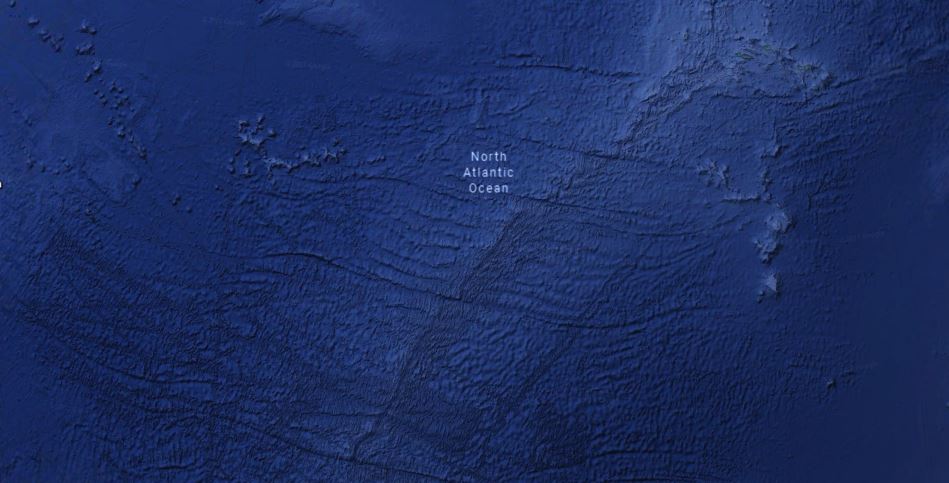
The evidence to support this theory did eventually come, as a byproduct of efforts to map seafloor hazards that could obstruct submarines. Working meticulously at Lamont, Marie Tharp processed sonar data to map the Atlantic Ocean. From this data, she documented a massive volcanic ridge running through the Atlantic Ocean. The identification of the Great Global Rift, published by Tharpe’s colleague Bruce Heezen in 1956, caused the lithospheric puzzle pieces to fall into place for Harry Hess, who was struggling to interpret maps of the North Pacific Sea floor. He is credited with publishing the definitive work on seafloor spreading, which in turn was finally confirmed with magnetic data by Walter Pitman in 1967.

While the 50 year time span to confirm continental drift may be a bit unusual, it nonetheless serves as a perfect example of scientists building on and refining each other’s work in the quest for scientific understanding. New projects are inspired by a hidden detail in one work, or an unanswered question in another.

Write for us. Enter our competition.

Nature Geoscience wants to hear the story of what discovery inspired your work. What intrigued you? Made you want to look deeper into a particular problem? If you are a student or early career scientist, you have the opportunity to tell us your Geostory as part of our ten year anniversary celebrations. Specifically, we want you to tell us about what paper, published in the past ten years, has inspired or guided your own research. Based on a careful assessment of the creativity and originality of the pitches we receive, we will select competition winners, and invite them to write a short, illustrated article to be published in Nature Geoscience.

Visit the journal website for more information. Terms and conditions apply.

A new editorial community

This is the third of three guest blogs we’re featuring from the chief editors of three newly-launched journals: Communications Biology, Communications Chemistry and Communications Physics. (Read the announcement from Nature Research here).

This blog comes from Elena Belsole, the Chief Editor of Communications Physics. Elena was previously Executive Editor for the Open Access journal New Journal of Physics. She has a passion for physics and physics-related science. Elena holds a PhD in Astrophysics and Space Sciences from Paris VI and she carried out postdoctoral research at Bristol and Cambridge Universities.

Communications Physics is a Nature Research journal, joining a portfolio well-known for providing high-quality peer review, managed by full-time, professional editors. Communications Physics – and our sister journals Communications Chemistry and Communications Biology – will maintain the same standards of excellence expected from a Nature Research journal by having a dedicated team of in-house editors.

Elena Belsole

Elena Belsole

But with these new journals we will go a step further and experiment with involving an editorial board made up of practicing academics that are recognised in their field.

Combined expertise, at your service

Professional editors at Communication Physics have a background in research and have the same passion for learning and advancing science that academics do. They provide the scientific and editorial experience and help ensure that quality standards are met across all content published in the journal.

Editorial board members will provide the in-depth expertise in their field of research and will allow us to cover the breadth and variety of physics required – something that we are committed to promote in Communications Physics. They will also bring on-the-ground insights into their field of research. Most importantly, Editorial board members will share the same passion of in-house editors to serve the community by assessing, selecting and helping to improve the papers that the journal publishes. They will also be able to engage with the community in a different way to professional editors, and act as ambassadors for the journal to an extent that internal editors can’t, including reaching out to the community in their geographical areas.

Reaching out to the community

When I started as an editor I was not expecting to learn so much more about physics beyond my domain of studies and research. This is still the most exciting aspect of my job as an editor. By involving external editors we wish not only to provide the journal with more in depth expertise for the benefit of authors and readers, but also to afford the opportunity to the academic community to be involved in editorial practices and standards. Being an editorial board member is a great opportunity to learn how a Nature Research journal works from the inside and communicate that to the community at large. It can also be a rewarding experience, particularly for early-career researchers.

In this respect I see this shared editorial model as a mutual effort to learn from each other and to provide our authors and readers with an enhanced experience. Together we will form a team of experts to achieve excellence in both physics communications advice and the editorial experience.

Get involved

We are looking for active researchers to join our editorial boards. Both an in-depth knowledge of your field a curiosity beyond it are key (see our previous blog on interdisciplinarity from the editor of Communications Biology). Also, editorial board members should have an interest in editorial involvement and be able to articulate the difference between an incremental result and a significant advance in a specific area of research.

If this sounds like you, please get in touch – you may just be our next editorial board member. We will always welcome input from the communities that our Communications journals aspire to serve.

For queries about the journal, please contact commsphys@nature.com

For news from our new Communications journals, follow us on Twitter: @commsbio@commchem@commsphys.

Bridging the sub-discipline gaps at Communications Biology

This is the second of three guest blogs we’re featuring from the chief editors of three newly-launched journals: Communications Biology, Communications Chemistry and Communications Physics. (Read the announcement from Nature Research here).

This post comes from Brooke LaFlamme, the Chief Editor of Communications Biology. Brooke was previously a Senior Editor at Nature Genetics, and holds a PhD in Genetics from Cornell University.

What label do you put on your own research? Is it biology, physics, chemistry? Or something more specific, like genetics or evolutionary biology?

Brooke LaFlamme

Brooke LaFlamme

For many research papers, it can be difficult to choose only one key subject area. As research becomes increasingly collaborative and complex, it often bridges multiple areas, such as cell biology, genetics, physiology and medicine, all within a single study.

Even for research that may be of interest mainly to specialists, it can be difficult to define a single group of specialists—your readers—who will find the results useful for their own research. This can complicate the process of finding the right journal for your work. Journals with a broad scope—such as Nature Communications and now Communications Biology from Nature Research—can be an excellent choice for research that blurs the lines between sub-disciplines.

Calling all biologists

Communications Biology is a forum for research in any area of biology, regardless of sub-discipline.

Of particular importance to me as Chief Editor, I hope that Communications Biology will become a home for research that doesn’t fall neatly into a specific category or specialist journal. As a graduate student, I often found it difficult to identify the right label for my own research. This would happen, for example, when trying to choose from a drop-down menu of categories when submitting a poster or oral presentation abstract for a conference.

Choosing the right journal—with the right readership—can lead to a similar quandary, particularly for papers that editors may consider too specialized for publication in higher impact multidisciplinary journals.

Because I’m a biologist I have focused on biology in this post, but I know this concept also applies to other scientific disciplines. The goal of bridging sub-disciplines is equally important to the two other Communications journals: Communications Chemistry and Communications Physics. Together with Communications Biology, these three journals will provide opportunities for a full spectrum of natural sciences research to be published.

Interdisciplinary at every level

Although I’ve highlighted the increasing complexity of research (in part tied to an increase in interdisciplinary or multidisciplinary work), ‘interdisciplinary’ doesn’t automatically mean bulging, complex papers. It does mean applying the right tools from any research field to answer the question at hand.Communications Biology doesn’t require paradigm shifts. We only require new biological insight to a problem of importance to other biologists—working closely on a similar question or further afield.

Collaboration in interdisciplinary research doesn’t stop at publication. Reaching a broad audience with readers who may think of themselves as being part of a different area of biology, but who relate to your study, can lead to new ideas in another field or to future research collaborations.

Finally, I know that researchers looking to publish in a broad-scope, open-access biology journal have many options. With Communications Biology, my editorial team and I aim to deliver the best author service possible, drawing on the collective experience and expertise of the entire Nature Research family. We are also committed to the Nature Research goals of promoting transparency and reproducibility in research and to providing a fair and timely review process. We hope you will think of Communications Biology for your next paper.

You can submit an article to Communications Biology here.

For queries about the journal, please contact commsbio@nature.com

For news from our new Communications journals, follow us on Twitter: @commsbio@commchem@commsphys.

Nature Research’s next steps on journal metrics

dartJournal metrics, with titles such as Journal Impact Factor, Immediacy Index, Eigenfactor Score and Article Influence Score, can seem fairly puzzling.  This is particularly the case when they are often presented as a single number without any other context or definition.  It has also been well documented, both by Nature Research and others, that they are often taken out of context or used to assess something for which they are not intended, notably individual researcher performance.

Last year we updated our approach to metrics, with a new Nature Research Journal Metrics page hosting a broader suite of citation-based metrics, including the two-year median for our journals, for Nature Research journals. We provided definitions of each metric to help the reader understand what the metrics really meant, and to provide context on how our journals were performing.

Surveying

Understanding and responding to the needs of researchers and partnering with the research community to drive policies and standards is central to our mission at Nature Research.  With this in mind, our next step, in the second half of 2016, was to carry out a survey of Nature Research and Springer Nature journal authors to help us to better understand researchers’ attitudes toward metrics and how important they are to authors when they chose where to submit their work.

Almost 1000 (985) Nature Research authors – and over 2,500 from Springer Nature overall – who had published a research article during 2015-16 gave us their views, with the largest groups of respondents from the US (15%), Europe (47%) and Asia and the Middle East (19%).

The survey showed that there is a demand for publishers to provide more information about their journals: 85% of authors asked said that information on journals’ is important for them when deciding where to submit their work, but 48% do not think that publishers provide enough. For junior researchers with less publishing experience, this information is particularly important.

The survey also revealed that authors were deeply interested in quantitative and qualitative details about the journal peer review process and that considerations of journal choice were influenced by these measures and others including their interactions with the journal editors, an understanding of the journal readership, and the overall reputation of the journal and publisher. Although the survey did affirm that Impact Factor remains a key metric for researchers, despite their knowledge of its limitations, alternate metrics all rated as important to journal choice as IF.

When it came to Impact factor, we found that despite researchers’ general awareness of its limitations, it remains a key metric for them when considering where to publish their work. Other citation-based metrics like Eigenfactor, h-index, RCR while appreciated amongst the metrics cognoscenti remain much less accessible for researchers.  We also asked a group of 225 librarians how useful they found metrics, and along with examples such as Impact Factor, h-index and Eigenfactor, we also included a fabricated metric. 22% of respondents said they were familiar with the added metric, suggesting that there is a lack of knowledge of metrics, but that individuals are aware that they should know them.

Harnessing the survey results

Following the survey, we concluded that we needed to do more work to provide the peer review information about our journals that researchers care most about, and also to provide more accessible information about what the different metrics mean.

This is particularly important to us as our team of over 300 professional editors are single-mindedly dedicated to providing robust peer review to the highest standards of publishing ethics and research integrity whilst striving to deliver this in the tightest possible timeframe.

We have now updated the Nature Research Journal Metrics page to provide information on the following metrics:

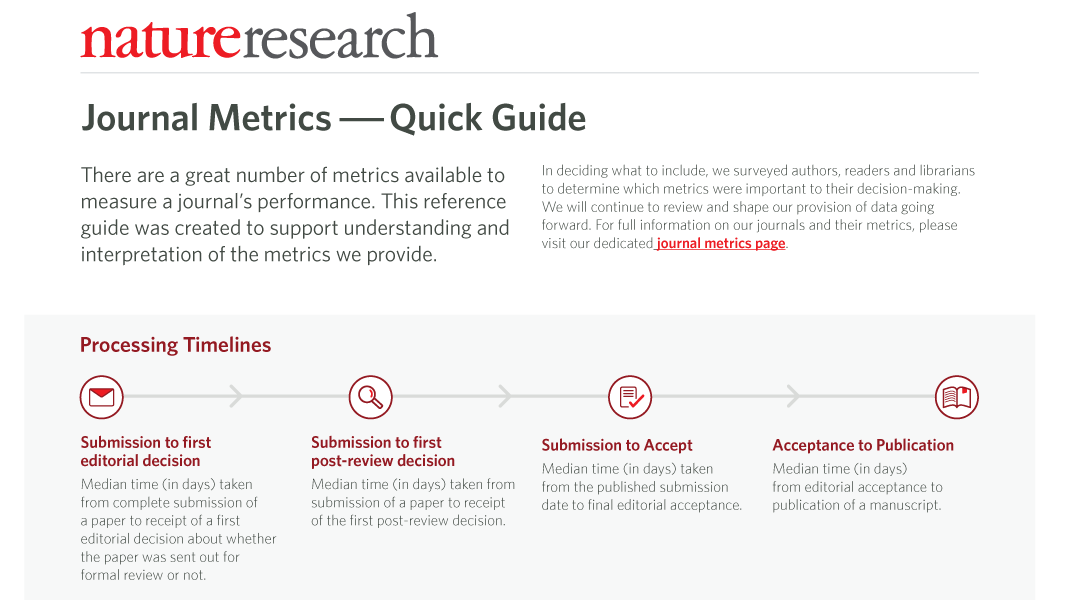
  1. Submission to first editorial decision: Median time (in days) taken from complete submission of a paper to receipt of a first editorial decision about whether the paper was sent out for formal review or not.
  2. Submission to first post-review decision: Median time (in days) taken from submission of a paper to receipt of the first post-review decision
  3. Submission to Accept: Median time (in days) taken from the published submission date to final editorial acceptance

Data on Acceptance to Publication times will be provided in the next few weeks.

Noting the community’s lack of familiarity with the different metrics we’ve also created a new infographic with short, simple explanations of each of the metrics we now offer, which we’ve released under a CCBY so that anyone, anywhere, can use it.

Click here to view the infographic in full (PDF)

DORA

As a result of this journey which began last year with the refashioning of the Nature Research Journal Metrics page, Nature Research is today becoming a signatory to the principles outlined in the San Francisco Declaration on Research Assessment, commonly known as DORA.  Nature Research has long been philosophically aligned with the principles described in DORA, particularly the need to move away from the inappropriate use of the Journal Impact Factor. A collection of relevant editorials are available on our metrics page. For our latest comment on this, please do read our latest Nature editorial.

From 1 May we’ll be running a two week Twitter campaign to increase awareness of journal metrics with the hashtag #MetricOfTheDay.

Philip Campbell, Editor-in-Chief, Nature and Nature Research
Sowmya Swaminathan, Head of Editorial Policy, Nature Research