
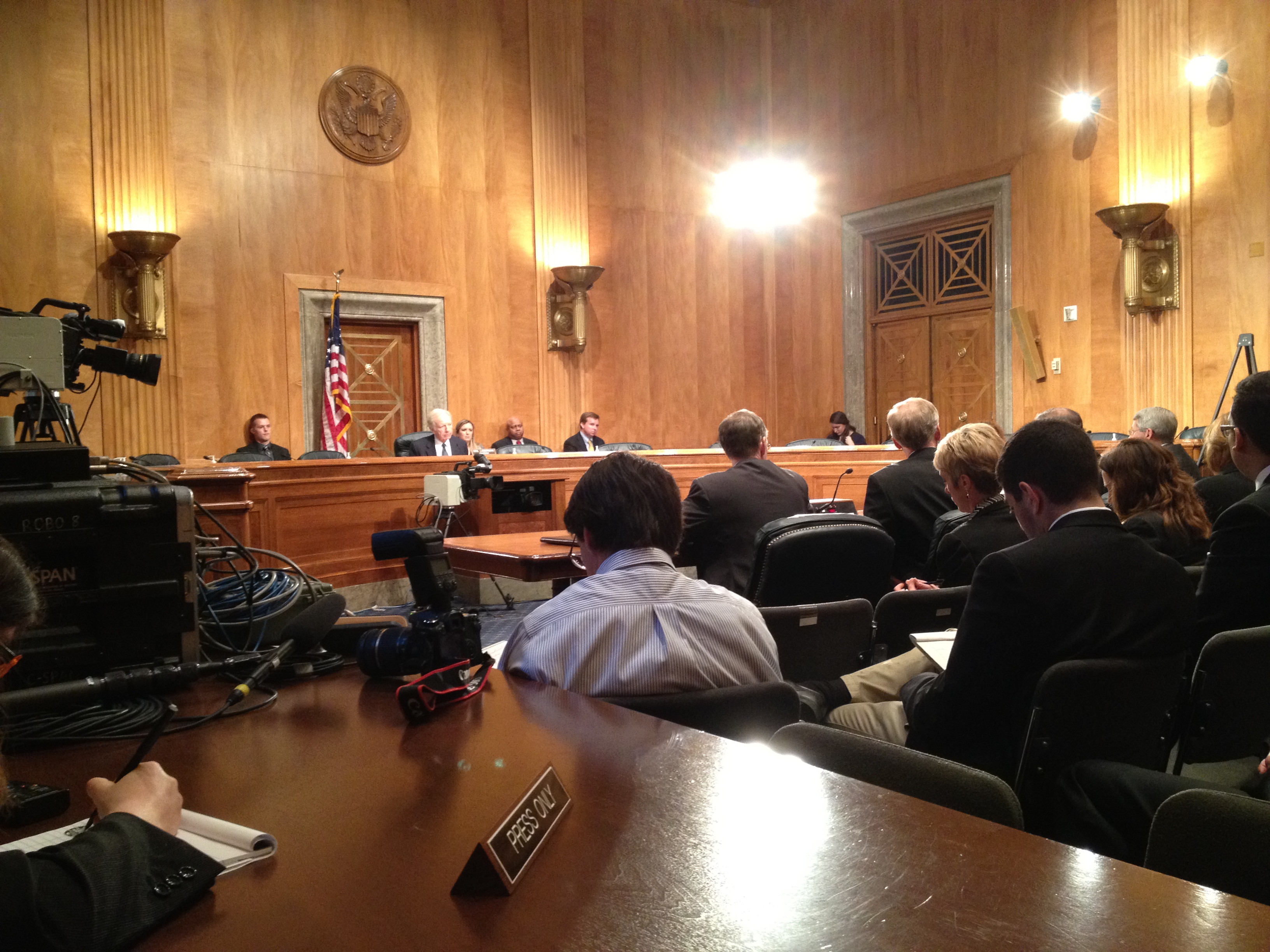
26 April in Washington DC, US Senator Joseph Lieberman of Connecticut revealed that his grandmother was killed by influenza during the 1918 pandemic. This was one reason he has been so interested in a pair of yet-to-be-published papers on laboratory-created H5N1 avian influenza strains that could conceivably prove many times more deadly than the 1918 flu. The other reason for his interest is that he chairs the committee on Homeland Security and Government Affairs, which had called a hearing to understand how decisions were made about the research’s potential use as an agent of bioterrorism. At the hearing, officials involved in making the decision to publish the research were queried about a letter that was leaked to the press two weeks ago. In the letter, Michael Osterholm, a member of the National Science Advisory Board for Biosecurity (NSABB), accused the U.S. government of stacking the decks in favour of full publication during a crucial closed door meeting in March at which the NSABB was asked to re-evaluate the papers.
Paul Keim, acting chair of the NSABB, who testified today, said “I view it as a very constructive type of communication. It was unfortunate that it was leaked to the public… that made it very hard to have a constructive conversation about it.” He went on to say that he agreed with Osterholm’s contention that there was a bias in the list of witnesses presenting evidence for and against full publication. The presenters included the two researchers whose teams had performed the research and one of their collaborators. “But the bias inherent in these witnesses was not very important,” Keim says, noting that the board members were able to ask them tough, probing questions. Continue reading

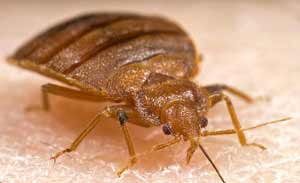 Bedbugs suck — blood mostly, but they are also a costly problem, says Rajeev Vaidyanathan of
 The story keeps getting stranger. In two sworn affidavits dated
 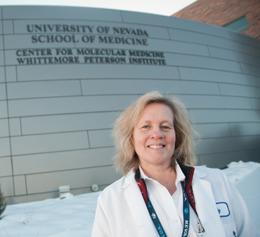 The travails of Judy Mikovits and the Whittemores have all the makings of a soap opera serial. On Friday 18 November, Mikovits, a chronic fatigue syndrome researcher, was
 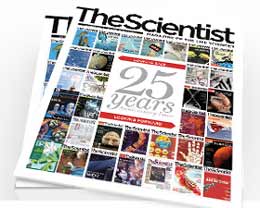 The October issue of The Scientist arrived in my mailbox yesterday, and I was happy to see it celebrating its 25th anniversary with a montage of cover images, many of which appeared during my time at the publication (I was an editor there for six years from 2001-2007). Inside, I was excited to see a slew of top-name contributors including George Church, Craig Venter, and Edward O. Wilson – giants in their respective fields fulfilling the mission of an award winning magazine meant to expand horizons for researchers working in the life sciences. And I was touched by the heartfelt