#ScientistOnTheMove: February 2015

This month scientists have been setting up new labs, coordinating research, moving continents and more.

haworth-davis-naturejobs

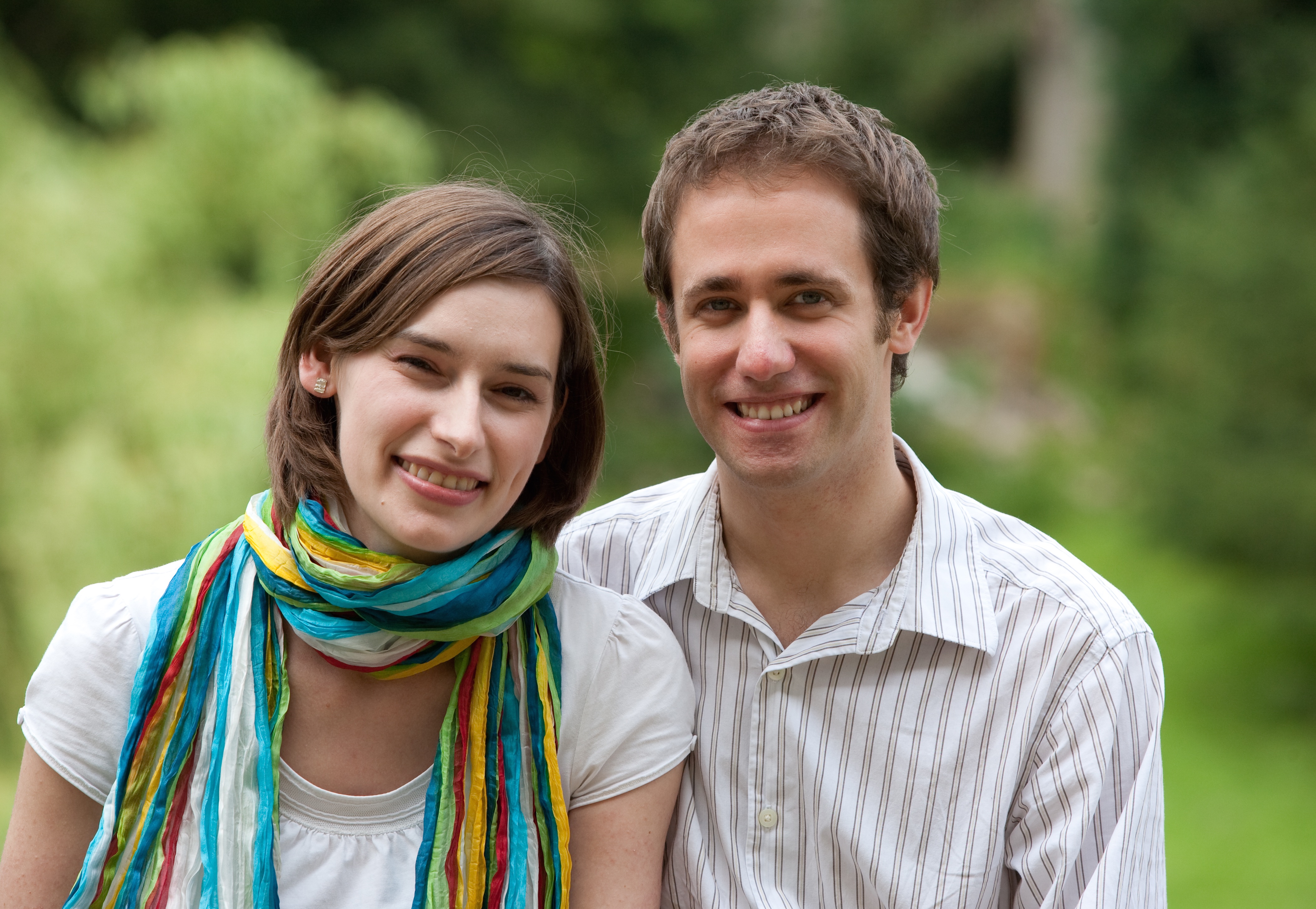
Claire Haworth and Oliver Davis{credit}Image credit: Jan MacDonald at Blenheim Photography{/credit}

Claire Haworth and Oliver Davis, who both work in behavioural and statistical genetics, met whilst they were studying for a PhD at the MRC Social, Genetic and Developmental Psychiatry Centre at King’s College London and “managed to squeeze in getting married between submitting our PhDs and starting fellowships!” After graduating from their PhDs in the summer of 2009, Oliver started a Wellcome Trust funded postdoc in Oxford and Claire, funded by the MRS and ESRC, stayed in London. After her second fellowship Claire moved to the University of Warwick to set up her own lab and Oliver moved to UCL to start his own group in January 2013. After years of long commutes to see each other, both Oliver and Claire will now be working in the same laboratory for the first time since they finished their PhDs. “We are moving to the new MRC Integrative Epidemiology Unit (IEU) at the University of Bristol to establish our joint Dynamic Genetics Lab. Oliver will be Associate Professor in Statistical Genetics, and I will be Associate Professor in Behavioural Genetics.” Oliver has already started his position, and Claire will begin in April. the biggest challenge for them is that whilst they are moving and settling into Bristol, they are both still fulfilling promises to UCL and Warwick by “providing the teaching we committed to at the start of the academic year. It’s an understatement to say we’re a little stretched by these commitments at the moment, but we’re looking forward to focusing on our new roles from the summer.”


Meru-sheel-naturejobs

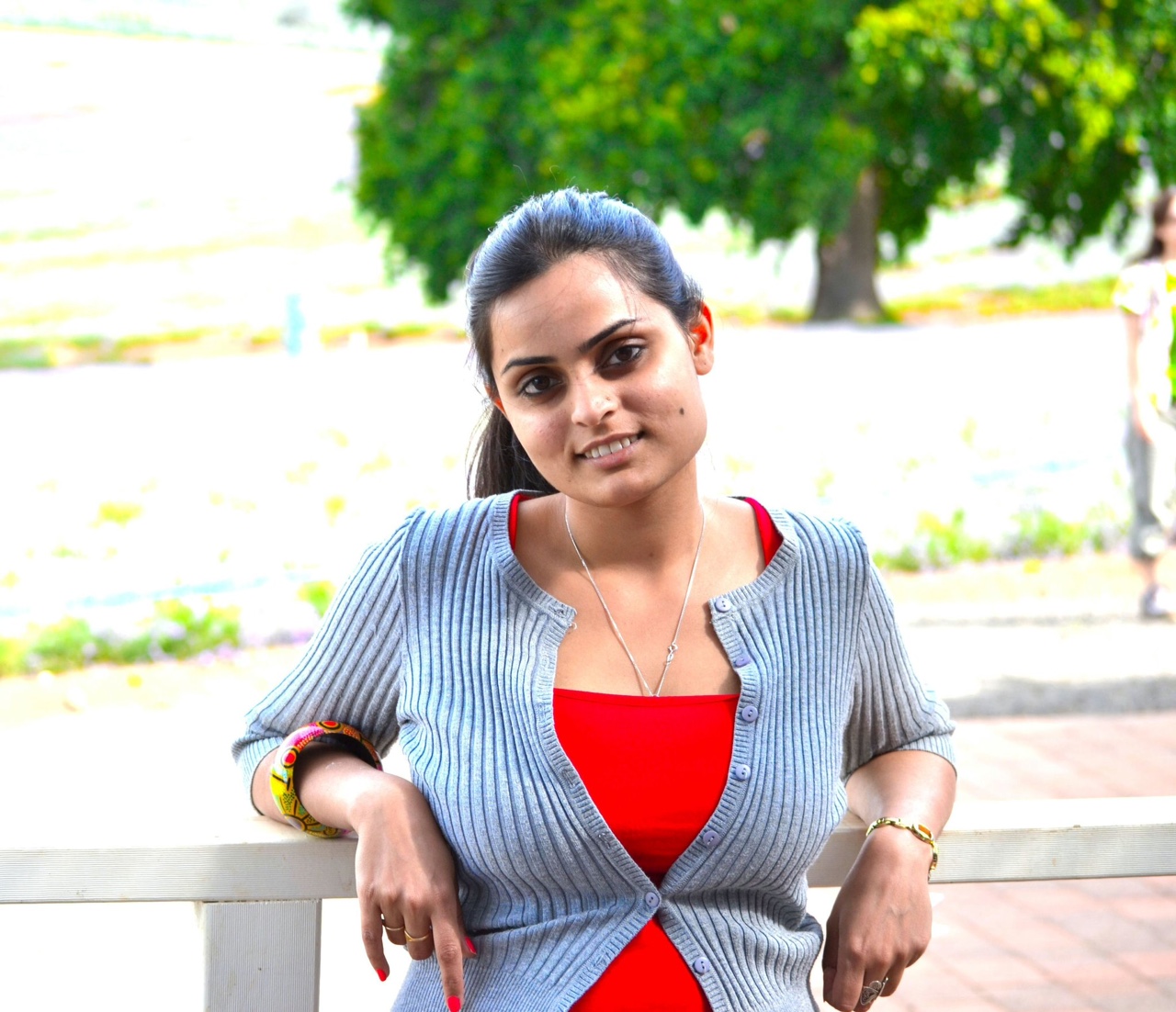
{credit}image credit: Alpana Dave{/credit}

Meru Sheel was doing pre-clinical, lab-based studies of parasite immunology at the QIMR Berghofer Medical Research Institute in Brisbane, Australia, when she got itchy feet. “While my lab-based research was very exciting and challenging, it lacked the big picture scenario that I was after,” she says. This, combined with the long hours spent on failing experiments and the lack of grant funding, meant that she wanted to make a switch. For Sheel, the most challenging part of leaving her position was that she was going to miss the research. “That feeling that maybe I will crack the mechanism of action with this experiment,” she says. Now, Sheel is the senior research officer for Group A Streptococcal diseases at the Telethon Kids Institute in Western Australia, and while she isn’t in the lab doing research, she is “reading and hunting for ideas and technologies that we can use to advance the development of vaccines and improve an old antibiotic to treat the same bug!” The role of a senior research officer involves coordinating research, analysing data and generating ideas and while gaining some management skills. “I have learnt to transfer my skills and now I love what I am doing.” Continue reading

Emily Anthes discusses how biotechnology is shaping the future of our furry and feathered friends

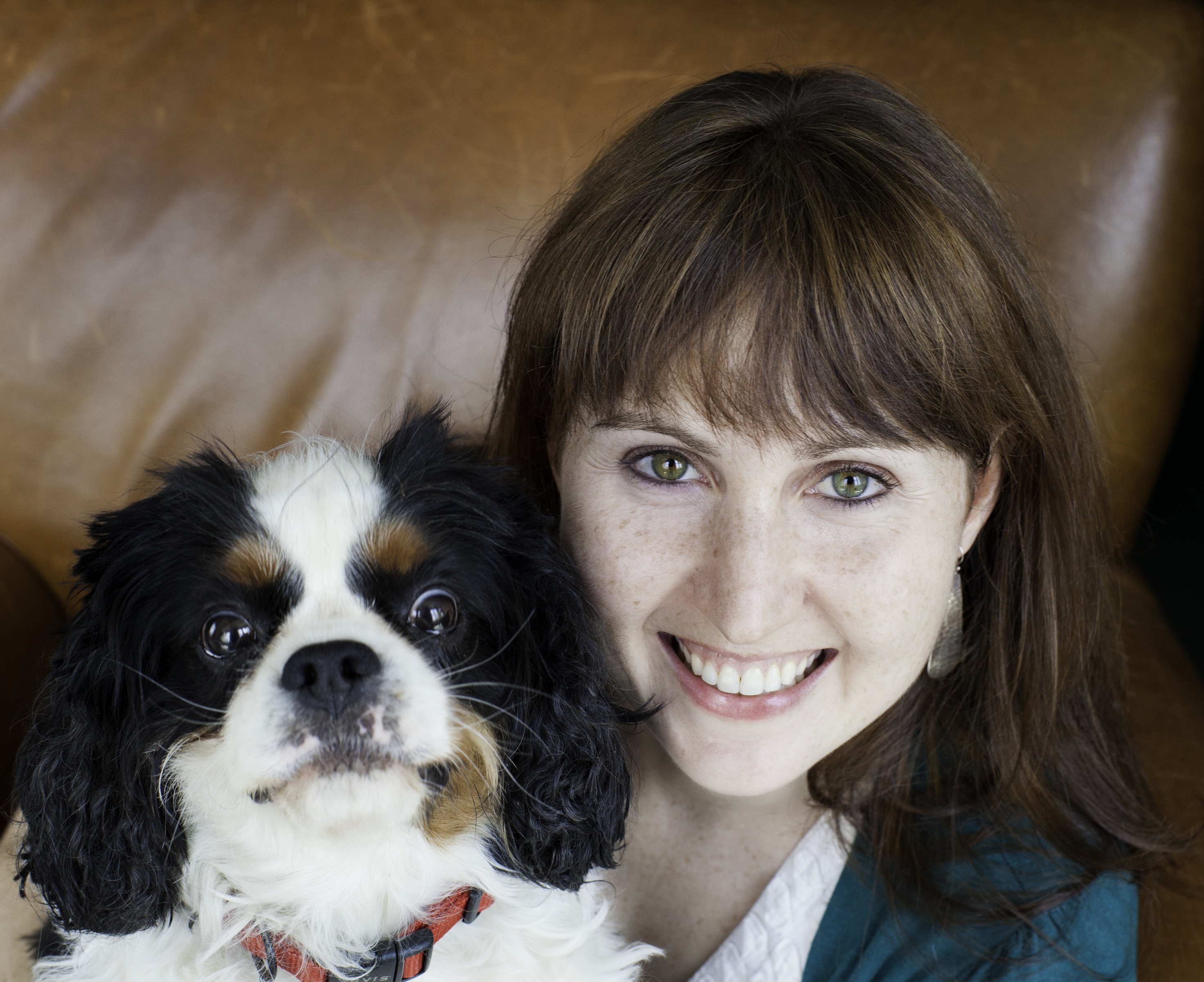
American science journalist and author Emily Anthes with her dog, Milo. Image Courtesy of Nina Subin.

American science journalist and author Emily Anthes with her dog, Milo.
Image Courtesy of Nina Subin.

Emily Anthes is a science journalist and author. Her work has appeared in The New York Times, Wired, Scientific American, Psychology Today, BBC Future, SEED, Discover, Popular Science, Slate, The Boston Globe, and elsewhere.

Her book, Frankenstein’s Cat: Cuddling Up to Biotech’s Brave New Beasts, is out in paperback today published by Scientific American/Farrar, Straus and Giroux. It received the 2014 AAAS/Subaru SB&F Prize for Excellence in Science Books. 

Emily is also the author of the Instant Egghead Guide: The Mind (St. Martin’s Press, 2009).

Her blog post, “When a deaf man has Tourette’s,” was selected for inclusion in The Open Laboratory 2010: The Best of Science Writing on the Web.  

Emily has a master’s degree in science writing from MIT and a bachelor’s degree in the history of science and medicine from Yale, where she also studied creative writing. She lives in Brooklyn, New York with her dog, Milo.

Continue reading

Scientists to sequence genomes of hundreds of newborns

Hundreds of US babies will be pioneers in genomic medicine through a US$25-million programme  to sequence their genomes soon after they are born.

Backers of the Genomic Sequencing and Newborn Screening Disorders research programme, unveiled today, say that it will test how useful and ethically sound it is for parents to know about their child’s comprehensive genetic makeup at birth and through childhood.

The programme will not replace the screening tests that most states require for newborns, which check for chemicals in the blood and defective proteins that signal the presence of nearly 60 genetic diseases. Instead, the grants will support research for studying whether sequencing a newborn’s DNA is better than conventional screening for detecting genetic disorders that affect drug metabolism, immune function and hearing, as well as some disorders that are included in conventional screening, such as metabolic disorders and cystic fibrosis.

“One can imagine a day when every newborn will have their genome sequenced at birth, and it would become a part of the electronic health record that could be used throughout the rest of the child’s life both to think about better prevention but also to be more alert to early clinical manifestations of a disease,” says Alan Guttmacher, director of the US National Institute of Child Health and Human Development, which is funding the new programme with the US National Human Genome Research Institute.

It now costs $1,000 or less to examine the protein-encoding portion of the genome and about $5,000 to sequence an entire human genome, so that day may be approaching quickly. And studies released over the past year have found that genetic sequencing might find a genetic cause for illness in 15–50% of children with undiagnosed diseases.

But geneticists and ethicists are divided over issues such as what information doctors should examine in a patient’s genome, how much of it should be reported to families and who should own and control this genomic data. Newborn-screening programmes have been controversial, with some states ordered to destroy blood spots collected through the programmes after activists argued that parents weren’t properly informed about the tests and their use in research.

“There’s great danger in sequencing newborns who have no say in the matter and whose parents may really have no clue what a Pandora’s Box they’re opening for themselves, their child, their future and their relationship,” says Twila Brase, president and co-founder of Citizens’ Council for Health Freedom in St Paul, Minnesota.

She points out that sequencing to screen for more conditions than are now examined will almost certainly uncover more false positives than current screening, and that screening results can have profound effects on families even if a child never becomes sick.

Officials behind the new programme say such ethical concerns are one catalyst for the newly funded research. “When you talk about a test that is done nearly universally among a section of the population, and done during the newborn period when one is completely incapable of offering individualized consent, it increases the importance of the ethical, legal and social considerations that are an intrinsic part of these grants,” Guttmacher says.

At the heart of these considerations is the question: what kind of genetic information about a child will doctors disclose to families? Just that pertaining to a child’s illness, or a broader range of results that could have implications for the child’s future health?

In March, the American College of Medical Genetics and Genomics (ACMG) recommended that doctors search the genomes of all patients receiving clinical sequencing for mutations in 57 genes linked health conditions and report these results back to patients, regardless of their initial reason for sequencing.

Geneticist Robert Green of Brigham and Women’s Hospital in Boston, Massachusetts, was on the panel that issued these recommendations and will be part of a team that plans to use programme funding to examine 480 genomes, half from healthy babies and half from sick babies in  neonatal intensive care units. Green says that the team is still deciding what “appropriate risk variants to return” in the children from birth through early childhood.

Other grantees plan to follow the spirit of the ACMG recommendations. Cynthia Powell at the University of North Carolina at Chapel Hill will lead a team that will report genetic defects relevant to babies’ diagnoses. Her team will also tell parents about genetic mutations such as those on the ACMG’s list, which might not be relevant to their children’s diagnoses but could be “medically actionable”, such as a cancer condition that might emerge in childhood and could be preventable or treatable if caught early.

Powell’s group will also give parents the option to find out information about adult-onset conditions, and will develop a list of genetic results that should not be returned — primarily those linked to adult-onset, fatal and untreatable conditions, such as Alzheimer’s disease, she says. “In pediatric genetics, we are always concerned about predictive genetic testing in minors, taking away the right of a child not to know genetic information, especially for conditions that won’t manifest until adulthood,” Powell says.

But other geneticists, such as Stephen Kingsmore of Children’s Mercy Hospital and Clinics in Kansas City, Missouri, have been sceptical of the ACMG recommendations.  “[H]aving to report the risk of future cancer syndromes for critically ill neonates or at end of life is absurd,” he wrote in a commentary in Science Translational Medicine in July, in which he estimated that screening the ACMG’s recommended genes in the general US population would yield 20 false positives for every true positive.

Kingsmore’s group has received a programme grant to sequence the genomes of 500 sick newborns and develop a sequencing test to diagnose the cause of their ailments within 24 hours. His team will first look for mutations in genes linked to the child’s symptoms. Then, if no results are found, his team will check the whole genome for disease-causing variants. His team may consider studying how families and doctors view results delivered according to the ACMG guidelines, he says.

But none of the teams receiving grants today are considering giving families their children’s raw genetic sequence data. That would allow families to seek their own interpretations of the data, or to keep it and have it reanalysed as the child grows up and researchers learn more about how genes influence health and disease.

Geneticist Robert Nussbaum of the University of California San Francisco, who is leading a team that will test whether sequencing is better than conventional screening at detecting some immune and drug-metabolism disorders, says that it is premature to consider releasing the raw data before it is proved useful through studies such as his own. “That would be jumping the gun a bit,” Nussbaum says.

Follow Erika on Twitter @Erika_Check.

Patients should learn about secondary genetic risk factors, say recommendations

Imagine getting a chest X-ray to identify the cause of a serious cough. The radiologist finds a shadow that wasn’t causing the cough but could be a tumour. In many cases, it is obvious what to do upon uncovering these sorts of secondary or incidental findings — most doctors would follow up on the search for a possible lung tumour, for example.

But genomic information presents a special case: genes are predictive, but not perfectly so, making some results murky. And many genetic diseases and predispositions to disease don’t have clear and obvious paths for clinical management, potentially making them a lifelong psychological burden.

Today, the American College of Medical Genetics and Genomics (AMCG) released recommendations for how genome-sequencing laboratories should report incidental findings after a doctor orders a full or partial genome sequence. It defines a minimum list of about 60 genes and 30 conditions that should be reported to the doctor as part of a patient’s care, whether the patient wants to know them or not. But the guidelines stop far short of recommending that all risk factors be passed on to doctors and patients.

Continue reading

Geneticists debate what to tell patients about clinical genome sequences

Should patients undergoing genome sequencing be screened for a minimum set of disease-causing mutations, and should adults and children receive different types of genetic results?

Last night, geneticists debated these issues at the annual meeting of the American College of Medical Genetics (ACMG) in Charlotte, North Carolina. In an open forum at the meeting, the ACMG released a new policy statement on whole-genome sequencing and presented a report from a work group that is drawing up guidelines about what information should be given to patients about ‘secondary findings’ that turn up during the course of sequencing tests. Secondary findings are genetic mutations that predispose a patient to a disease but are unrelated to the initial reason for the patient’s decision to undergo sequencing.

The draft recommendations, which will not be finalized until this summer, are part of a larger debate over what geneticists should do about the ‘return-of-results’ issue, which focuses on how much information patients and research subjects should learn about their genomes. A project funded by the US National Institutes of Health recommended on 21 March that researchers who find disease-causing mutations in archived data should consider notifying research participants of the mutations. But the ACMG’s recommendations will focus specifically on patients being sequenced for clinical, rather than research, purposes.

Robert Green of Brigham and Women’s Hospital in Boston, who co-chairs the ACMG work group on secondary findings, says that the field must develop standards for informing patients about them.

“We don’t think it’s going to be a sustainable strategy for the evolving practice of genomic medicine to ignore secondary findings of medical importance,” he says.

These findings could arise in several ways. A child undergoing sequencing to diagnose the cause of a developmental delay might find out that he also has a genetic predisposition to certain cancers, or a cancer patient undergoing sequencing to guide personalized therapy might find out that she has a mutation linked to a treatable syndrome, called familiar hypercholesterolaemia, marked by high cholesterol.

The ACMG is considering recommending that clinical laboratories test patients’ genomes for a minimum set of mutations such as these that meet a checklist of criteria and are not detected by newborn screening programmes (see slides from the work group’s presentation here). High-penetrance mutations — those very likely to lead to disease — that cause treatable conditions would be high on the work group’s list, whereas genetic variants that only sometimes cause disease or are linked to untreatable conditions wouldn’t make the cut.

For instance, familial hypercholesterolaemia variants would be reported to patients. But variants of the gene that encodes apolipoprotein E, which is linked to an increased risk of developing Alzheimer’s disease, wouldn’t be reported, because these variants don’t actually predict that a patient will develop the disease, and because no early intervention has been shown to prevent Alzheimer’s disease.

Green said that some geneticists at last night’s forum were concerned that testing a standard set of genes would violate patients’ rights not to know about their genetic predispositions to disease.

And, although the current working group guidelines don’t distinguish between information given to children or adults, some geneticists argued at the meeting that it is inappropriate to tell children about predispositions to disease that will not affect them until they grow up.

Green says, however, that a patient’s right not to know about certain mutations could be protected, for instance, if a patient tells her doctor that she doesn’t want to know about them. And Green points out that a child’s genetic information will also be relevant to his or her parents. For instance, a child carrying a mutation that predisposes him or her to a certain cancer inherited it from at least one parent, who may not know that he or she is also likely to develop that cancer.

“That information sitting in our hands could save a parent’s life,” Green says.

The work group, co-chaired by Leslie Biesecker of the US National Human Genome Research Institute, is also proposing that clinical labs disclose their policies on reporting secondary findings to patients and doctors. The AMCG is still soliciting input on the draft guidelines and aims to deliver the finished recommendations in June.

Follow Erika on Twitter at @Erika_Check.

Open Season

Misha Angrist is the author of Here is a Human Being: At the Dawn of Personal Genomics (HarperCollins), now out in paperback. He teaches at Duke University and blogs at blogs.plos.org/genomeboy.

Us…and Them

And after all we’re only ordinary men.

Roger Waters

As a graduate student, I studied the genetics of Hirschsprung disease, a congenital disorder of the nervous system in the gut (and, as I describe in my book, a disease that would affect my own family many years later). Among the things I found to be most gratifying (and yes, occasionally frustrating) in my doctoral studies were the interactions with Hirschsprung patients and families. We students had pledged our fealty to Science writ large, yes, but we weren’t studying roundworms or fruit flies. Our “subjects” (a descriptor of research participants that, in my opinion, is condescending and should be retired ASAP) were thinking feeling human beings. If we found a highly penetrant mutation in their DNA, it had the potential to alter their reproductive decisions and their lives. It meant something to them.

But even if it didn’t, shouldn’t life scientists-in-training, especially those whose model organism is Homo sapiens, have some sort of mandatory exposure to, you know, life? Should there not be some inevitable, meaningful exchange between researcher and researchee?

Increasingly, community members are beginning to assert this right in various ways: Open Science, PatientsLikeMe, the Society for Participatory Medicine and the Sage Bionetworks Commons are just a few manifestations. The recent ScienceOnline meeting, which embodies the same sort of grassroots ethos, is my favorite science gathering for exactly that reason.

But of course participants in these endeavors are self-selected. How do we reify their approaches on a massive scale? Virally spreading the word, certainly. But it will also require bravery and iconoclasm. Recently I read The Cure, Geeta Anand’s heartbreaking 2006 book about John Crowley’s tireless struggle in the early 2000s to get a treatment developed for his kids, two of whom have the devastating lysosomal storage disorder Pompe disease (the book was the basis for the movie Extraordinary Measures). At one point Crowley is trying to impress upon members of the drug development team at Genzyme the urgency of their task. He organizes a “Pompe Summit,” to which the 200 employees working on the disease are invited, as are patients and their families. “How many of you have ever met a patient?” he asks the Genzymers. Only a handful of hands go up. Even the doc leading the company’s Pompe trial had never met a patient.  Imagine an automotive design engineer never having driven a car. Extraordinary measures indeed.

Continue reading

The Language of Genetics

denis.bmp Denis Alexander is this week’s guest blogger. He has spent 40 years in the biological research community in various parts of the world, latterly as Head of the Laboratory of Lymphocyte Signalling and Development at The Babraham Institute, Cambridge which he left in 2008. Since then he has been heading up the new Faraday Institute for Science and Religion at St. Edmund’s College, Cambridge, where he is a fellow.

I have always been fascinated with the public understanding of science, including the many and varied ways in which scientific ideas can migrate out of the lab to populate the worlds of politics, sociology, popular culture and religion. Since finally closing down my research group in immunology a few years ago, I have had the privilege of indulging some of these interests more fully in a way that the pressures of an active research life didn’t really allow.

Recently we brought a group of historians and philosophers to Cambridge to sit round a table for a few days and discuss all the varied ways in which biology has been used and abused for non-biological purposes from 1600 to the present day. So many are the examples that our challenge was not to find sufficient topics or authors, but to restrict ourselves to a series that would eventually lead to a book of reasonable length. The outcome was Biology and Ideology – From Descartes to Dawkins which came out last year [Denis Alexander and Ronald Numbers (eds), Chicago University Press, 2010]. In turn this interest is leading on to a grants programme in which competitive funding applications will be received during this coming year for research on contemporary ways in which biological ideas are being used for good or for ill, purposes well beyond their original scientific contexts.

The area of genetics is one that seems particularly prone to being reported in the media or in the public domain more generally in dramatised ways that often distort the actual science involved. I was therefore particularly pleased to be approached by a publisher recently to write an introductory book on genetics that would not only introduce the science for a general readership, but also address some of the wider ethical and other questions that genetics raises concerning human value and identity. The result is The Language of Genetics – an Introduction [Darton, Longman and Todd, 14 June 2011] published just a few days ago [N.B. although Amazon has some good offers the Faraday Shop is selling at £12/copy plus p&p starting soon after 27th June].

I am a great believer in making a clear distinction between science and the wider issues that arise from science, finding that when the language and concepts of different disciplines are co-mingled, confusion inevitably results. The Language of Genetics therefore has 11 chapters of straight explanatory science, whereas the wider questions arising from genetics are contained within the final chapter 12.

One of the topics I tackle there is the pervasive idea of genetic determinism – that there are such things as genes “for” musicality, intelligence or being a political liberal. Although I think biologists, with rare and unfortunate exceptions, are generally rather careful to describe in their scientific writings what genes actually do, by the time their discoveries get reported in the media, the head-line for the story too often ends up implying that some complex human behavioural trait is largely determined by a single gene.

The genome wide association studies (GWAS) that have proliferated over the past few years are instructive in this respect. One study was carried out on the variation in height between humans, a trait known to be around 70-80% inheritable. The study based on 180,000 individuals came up with 180 different variant gene regions that correlate with variation in height, yet taken together they explain only around 10% of the inheritability. There is a huge amount of “missing inheritability”. Where is it? Being a bit taller or shorter is complex, involving many aspects of our physical being.

Imagine now the genetics of some complex human behaviour which has a supposed element of inheritability, together with our brains with their 10¹¹ neurons and 10¹4 synapses (the precise number, rather unsurprisingly, depends on the precise volume of your brain) – such a scenario does not readily lend itself to interpretations that depend on genetic determinism.

None of this is to say that genetic variation is irrelevant to who we are as individuals – far from it. But The Language of Genetics highlights the way in which the fertilised egg, with its newly acquired unique genome, is from its very first day onwards in intimate interaction with its environment in all its myriad aspects. Rather than reifying the ‘genome’ and the ‘environment’ as if they were separate entities, it is biologically more accurate to see both aspects as thoroughly intertwined. The fascinating fields of evo-devo (chapter 3) and of epigenetics (chapter 10) do much to highlight that insight.

The science of genetics is a fantastic gift to humankind if used wisely. But the greatest gifts can be the most abused; the best protection remains continued awareness and vigilance.

Genetics 2010: Something missing in genomics?

The first set of talks at the MOHB in Boston yesterday evening was on personal genomics. Speakers including the Broad Institute’s David Altshuler and Leonid Kruglyak of Princeton vigorously defended the reputation of genome wide association studies (GWAS), which have come under some attack in the New York Times and other media outlets, recently. GWAS compare genomic markers in hundreds to thousands of individuals in order to find areas of the genome that associate with risk for common traits and diseases. They’ve produced hundreds of associations, but frustratingly for some, the genetic regions that have been fingered account for only a small percentage of the inherited risk for disease. Nature weighed in on this ‘missing heritability’ concept in the past (see here and here).

Altshuler takes umbrage with some, such as Mary Claire King at the University of Washington who have posited that very rare variants – unlikely to be found by GWAS – are where much of the heritability is hiding. Altshuler says he thinks that with projects like the 1,000 genomes project (which now plans to sequence upwards of 2,500 human genomes to various degrees of completion) a lot more human variation will be found and will begin to fill in more of the gaps in heritability. As costs of sequencing come down, he says, “We won’t have these debates about rare versus common variants.”

Capturing a real sense of human diversity in genomes will be important says Carlos Bustamante, now at Stanford University, and that should be done by sequencing more humans from diverse backgrounds (rather than just European backgrounds which have dominated the sequencer queues to date). His talk presented some new work looking closely at the sequence of an African American woman and a Mexican individual. Both individuals have a genome that is admixed, that is it contains a jumble of genetic elements from European and African origin in the case of the African American and Native American and European. Using computational tools, Bustamante’s group was able to deconvolute the ancestry of the genome in an easy to see way showing where stretches of DNA on the individuals’ genomes became mixed. The longer the stretches go without interruption, the more recent the admixture, says Bustamante, and they were roughly able to calculate the point at which cultures came together – lining up roughly with the Spanish exploration of the Americas (1470-1570) for the Mexican individual and the heyday of the middle passage (1690-1750) for the African American. It was a pleasing kind of “parlor trick” that these dates meshed so well with what we assume about history, he says. “We need continued sequencing of very diverse human genomes,” says Bustamante. It’s the only way we’ll be able to know what we’ve been missing.