Contamination created controversial ‘acid-induced’ stem cells

Stem cells that were claimed to be created simply by exposing ordinary cells to stress were probably derived from embryonic stem cells, according to the latest investigation into an ongoing scientific scandal. How that contamination occurred, however, remains an open question.

The investigation was instigated by RIKEN, the Japanese research institution where the original claims were made, and carried out by a committee composed of seven outsiders.

The committee analyzed DNA samples and laboratory records from two teams behind the original papers describing STAP (‘stimulus-triggered acquisition of pluripotency’) cells.  Those papers — published in Nature but later retracted  — were once heralded as describing a shortcut to producing stem cells: rather than expressing specific genes or carefully transplanting a nucleus from one cell to another, researchers could, it seemed, create stem cells by exposing them to stress, including bathing the cells in acid.

The latest investigation suggests that the STAP findings were merely the result of contamination by embryonic stem cells. Investigators found signs of three separate embryonic stem cell lines. They noted that it is difficult to imagine how contamination by three distinct lines could be accidental, but that they could also not be certain that it was intentional. 

“We cannot, therefore, conclude that there was research misconduct in this instance,” the committee wrote. It did, however, find evidence that lead investigator Haruko Obokata, formerly of the RIKEN Center for Developmental Biology in Kobe, had fabricated data for two figures in the original STAP publications.

The committee’s report, released on 26 December, is the latest in a series of damning revelations about the STAP cells originally described in two Nature papers in January 2014. The approach quickly came under scrutiny as other researchers failed to reproduce its results, and as suspicions grew that images in the original papers had been manipulated. In March, another RIKEN investigation found Obokata guilty of scientific misconduct; in July, the STAP papers were retracted  and in August another co-author, Yoshiki Sasai, took his own life. Earlier this month, Obokata resigned her position at RIKEN.
 

US research ethics agency upholds decision on informed consent

United States regulators are standing by their decision that parents were not properly informed of the risks of a clinical trial in which premature babies received different levels of oxygen supplementation.

From 2005 to 2009, the Surfactant, Positive Pressure, and Oxygenation Randomized Trial (SUPPORT) trial randomly assigned 1,316 premature babies to receive one of two levels of oxygen supplementation in an effort to test which level was best. Even though the lower level was associated with increased risk of brain damage and possibly death, and the higher level with blindness, the study leaders said that they did not disclose these risks to parents because all ranges of oxygen used in the trial were considered to be within the medically appropriate range at the time.

The study was supported by the US National Institutes of Health (NIH). On 7 March 2013, the US Office of Human Research Protections (OHRP) issued a letter determining that the trial investigators had not adequately informed parents about the risks to their babies in the SUPPORT trial. The NIH and many researchers disputed the decision, arguing that it would impede “comparative effectiveness research” studies that are designed to test the best use of approved interventions. Parents of children in the trial, however, and others supported the OHRP’s determination that parents hadn’t received adequate information. The two sides clashed at a meeting convened by the NIH and the OHRP in August 2013.

Today, 24 October 2014, the OHRP has issued guidance reiterating and clarifying its position on what types of risks must be disclosed to study subjects in comparative effectiveness research studies such as SUPPORT. The agency has determined that risks of the intervention must be disclosed to study participants even if the risks are considered acceptable according to current medical guidelines, if the study intends to evaluate these risks and if the patients’ risks will change when they enrol in the study.

The OHRP said that even though both the low and high levels of oxygen supplementation were considered within the acceptable range, “the key issue is that the treatment and possible risks infants were exposed to in the research were different from the treatment and possible risks they would have been exposed to if they had not been in the trial”.

“[F]or the great majority of infants in the trial, it is likely that their participation altered the level of oxygen they received compared to what they would have received had they not participated,” the OHRP added.

The agency said further that if a trial is designed to compare the risks of potential side effects of a treatment already in use, then the risks are “reasonably foreseeable” and that prospective study participants should be made aware of it.

“If a specific risk has been identified as significant enough that it is important for the Federal government to spend taxpayer money to better understand the extent or nature of that risk, then that risk is one that prospective subjects should be made aware of so that they can decide if they want to be exposed to it,” OHRP said.

The guidance is open to comments until 24 December.

AstraZeneca neither confirms nor denies that it will ditch antibiotics research

16881_lores

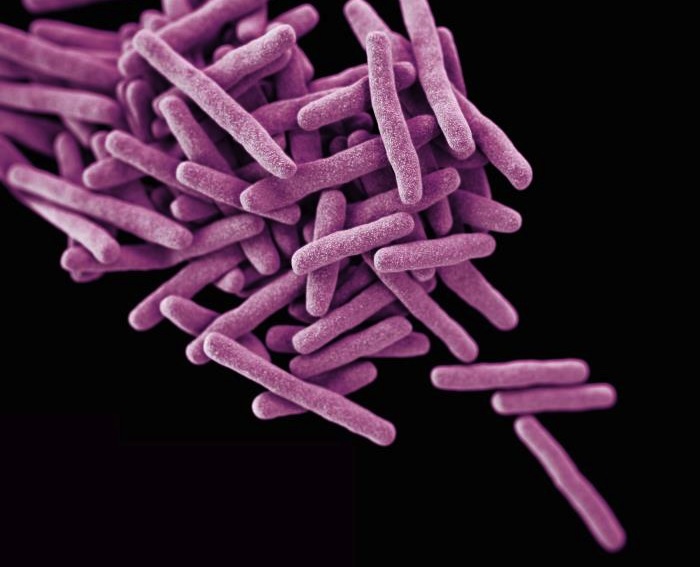
A computer image of a cluster of drug-resistant Mycobacterium tuberculosis.
{credit}US Centers for Disease Control and Prevention/ Melissa Brower{/credit}

The fight against antibiotic-resistant microbes would suffer a major blow if widely circulated rumours were confirmed that pharmaceutical giant AstraZeneca plans to disband its in-house antibiotic development. The company called the rumours “highly speculative” while not explicitly denying them.

On 23 October, drug-industry consultant David Shlaes wrote on his blog that AstraZeneca, a multinational behemoth headquartered in London, “has told its antibiotics researchers that they should make efforts to find other jobs in the near future”, and that in his opinion this heralds the end of in-house antibiotic development at the company. “As far as antibiotic discovery and development goes, this has to be the most disappointing news of the entire antibiotic era,” wrote Shlaes.

AstraZeneca would not directly address these claims when approached by Nature for comment. In its statement it said, in full:

The blog is highly speculative. We continue to be active in anti-infectives and have a strong pipeline of drugs in development. However, we have previously said on a number of occasions that as we focus on our core therapy areas (Oncology, CVMD [cardiovascular and metabolic diseases] and Respiratory, Inflammation and Autoimmune) we will continue to remain opportunity driven in infection and neuroscience, in particular exploring partnering opportunities to maximise the value of our pipeline and portfolio.

Research into antibiotics is notorious for its high cost and high failure rate. AstraZeneca has previously said that its main research focus would be on areas other than antibiotic development.

Public-health experts have been warning about a trend among large pharmaceutical companies to move away from antibiotics research — just as the World Health Organization and others have pointed to the rising threat of deadly multi-drug-resistant strains of bacteria such as Mycobacterium tuberculosis or Staphylococcus aureus (see ‘Antibiotic resistance: The last resort‘).

Doctor bets against traditional Chinese medicine

Beijing

The Beijing University of Chinese Medicine is one institution where the government promotes the practice.
{credit}BUCM{/credit}

A sceptic of traditional Chinese medicine is challenging practitioners of the age-old craft to prove themselves by putting his own money on the line. One has accepted the challenge. At stake is the claim that practitioners can discern whether a woman is pregnant by her pulse.

Traditional Chinese medicine (TCM) is a point of contention in China. Although the government is keen to promote its use in the clinic and, in modernized form, as part of drug discovery, some feel that much of it is unproven and that the government is throwing its money away. There have also been high-profile cases of fraud linked to such research, and the practice is criticized for its dependence on endangered species such as the Saiga antelope (Saiga tatarica).

Ah Bao, the online nickname of a burn-care doctor at Beijing Jishuitan hospital, has been an adamant critic of TCM on Chinese social media, often referring to it as “fake”. He issued the challenge on 13 September, and Zhen Yang, a practitioner at the Beijing University of Traditional Medicine, took him up on it.

Ah Bao put up 50,000 yuan (more than US$8,000), and at his urging others have donated more than 50,000 yuan, making the prize worth more than 100,000 yuan total. Ah Bao turned down Nature‘s request to be interviewed, saying that he has been overwhelmed by media attention.

Yang will have to assess with 80% accuracy whether women are pregnant. The two are reportedly working out the terms of the contest, with a tentative set-up reportedly involving 32 women who would be separated by a screen from Yang.

Spanish Ebola case highlights risks to health-care workers

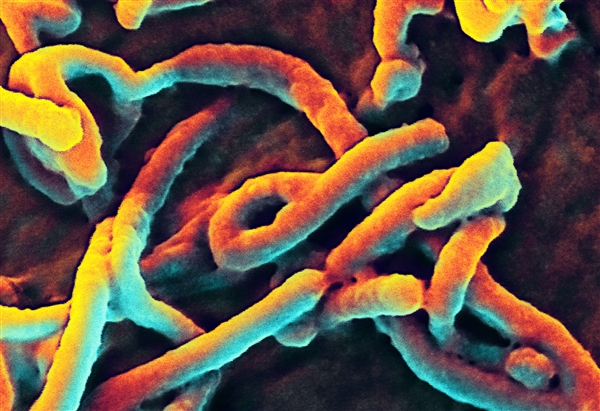
A nurse who cared for an Ebola patient repatriated to a Madrid hospital has contracted the disease, the Spanish health ministry announced on 6 October. But the news is, unfortunately, not surprising.

scr_14712255469_d7803afd9f_k

{credit}US National Institute of Allergy and Infectious Disease{/credit}

Although Ebola is relatively difficult to catch in the community because infection requires contact with the bodily fluids — such as blood or vomit — of an infected person, close contacts and health-care workers treating patients with Ebola have long been recognized as being most at risk of contracting the virus.

Health-care workers have already paid a heavy price in the current epidemic in west Africa: as of 1 October, the World Health Organization estimates that 382 have contracted Ebola, and 216 of them have died.

Spanish authorities will investigate how the nurse at the Carlos III hospital came to be infected, and whether there were any shortcomings in infection control — such as in the personal protective equipment supplied, training in its use or hospital hygiene. As someone who recently treated an Ebola patient, the nurse would have been considered a contact at risk of exposure to the virus, and have been monitored for any symptoms such as fever, that could signal the onset of Ebola. Such surveillance of contacts is crucial to preventing any onward spread of virus.

It’s important to remember that people with Ebola don’t become infectious until they start showing symptoms, so monitoring of contacts of an Ebola-infected patient for fever is usually considered sufficient, with them being isolated only at the first hint of illness — although some authorities may choose to quarantine high-risk contacts. Such early isolation is crucial to limit the number of people they could come into contact with.

A key question for Spanish authorities will be whether there was any delay between when the nurse first showed symptoms and when she was isolated. They will then try to trace every single person she was in contact during that period and monitor them for symptoms for 21 days, the maximum incubation period of the disease (see ‘How disease detectives are fighting Ebola’s spread‘ for an explainer of this process of ‘contact tracing’).

That contacts of the nurse might in turn become infected cannot be ruled out, but the case does not raise any major threat of an outbreak of Ebola in Europe. Risk assessments of the current outbreak have long factored in the prospect that infected people would occasionally travel from the epicentre of the epidemic in west Africa to distant unaffected areas, and that healthcare workers are among those most at risk of secondary infections.

The Spanish case raises legitimate concerns as to the preparedness of hospitals to safely treat Ebola patients, and spotlights the need for health facilities everywhere to review their own precautions and practice. But even with the best training and equipment, the infectious nature of bodily fluids that carry Ebola means that accidental infections of health-care workers treating patients with the virus will unfortunately continue.

In its latest risk assessment, the the European Centre for Disease Prevention and Control reiterated that “if a symptomatic case of [Ebola] presents in an EU Member State, secondary transmission to caregivers in the family and in healthcare facilities cannot be ruled out.” Europe’s well developed public-health services are, however, well placed to quickly stamp out any further chains of transmission using contact tracing.

The big lessons of the new Spanish case, as in the recent case of a traveller from Liberia diagnosed with Ebola in Dallas, Texas, are the same: that unless the international community acts far faster, and on a far larger scale, to tackle Ebola at its source in west Africa, exported cases and the repatriation of sick health-care workers will continue — and family, and health-care workers caring for them, will continue to become infected with Ebola.

Work still needed to reduce animals in research

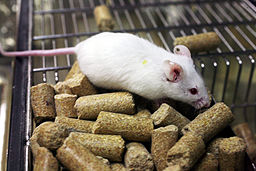
Replace, refine, reduce. Those are the goals of a centre founded 10 years ago to improve the welfare of animals used in research. But more still needs to be done to embed these ideas, according to the head of the centre.

Lab_mouse_mg_3140

{credit}Wikimedia Commons{/credit}

Vicky Robinson, chief executive at the London-based National Centre for the Replacement, Refinement and Reduction of Animals in Research (NC3Rs), says that when the centre was launched 10 years ago there was “some uncertainty” in the scientific community about it. The organization has since funded research that ranges from using facial expressions of animals to assess pain and improve welfare to growing ‘micro-cancers’ in a dish in order to reduce the use of animals used in drug development.

Last week, launching the NC3R’s strategy for the next decade, she said: “Ten years on I think the transformation has been huge. Getting a grant from the NC3Rs really does count these days.”

But she added that there were still “too many scientists who think that the 3Rs belong in the animal house” and do not apply to their research. And she admitted that there were still concerns in the scientific community to be overcome around whether changing laboratory conditions to improve animal welfare could also negatively impact research outcomes. The new NC3Rs strategy includes working to ensure that standardised measures of animal welfare can be used to improve both the welfare of animals and scientific results, that all scientists are committed to the ‘3Rs’ and that this is expanded to other countries.

Jim Smith, chief of strategy at the UK’s Medical Research Council, told the meeting that the work of the NC3Rs had been “enormously influential”. He cited the widely-backed  ARRIVE guidelines, which lay down how researchers using animals should report their work in journal papers, as an example (although there is some debate over how effective the guidelines have been).

Despite the work of the NC3Rs, Smith admitted, the statistics show an increase in animal use in UK research every year. However, much of this is down to the UK measuring procedures, rather than animals used; breeding counts as a procedure, meaning that simply producing genetically modified animals needed for scientific research is a huge contributor to the overall rise.

Stephen Holgate, the chair of the NC3Rs board, told the meeting that the centre had created a community of like-minded animal-welfare scientists that did not exist before.

“The success of the NC3Rs is without doubt,” he said. “Our challenge now is to get adoption and uptake.”

Brain positioning system wins medicine Nobel

Nobel

{credit}Akademie/Alamy{/credit}

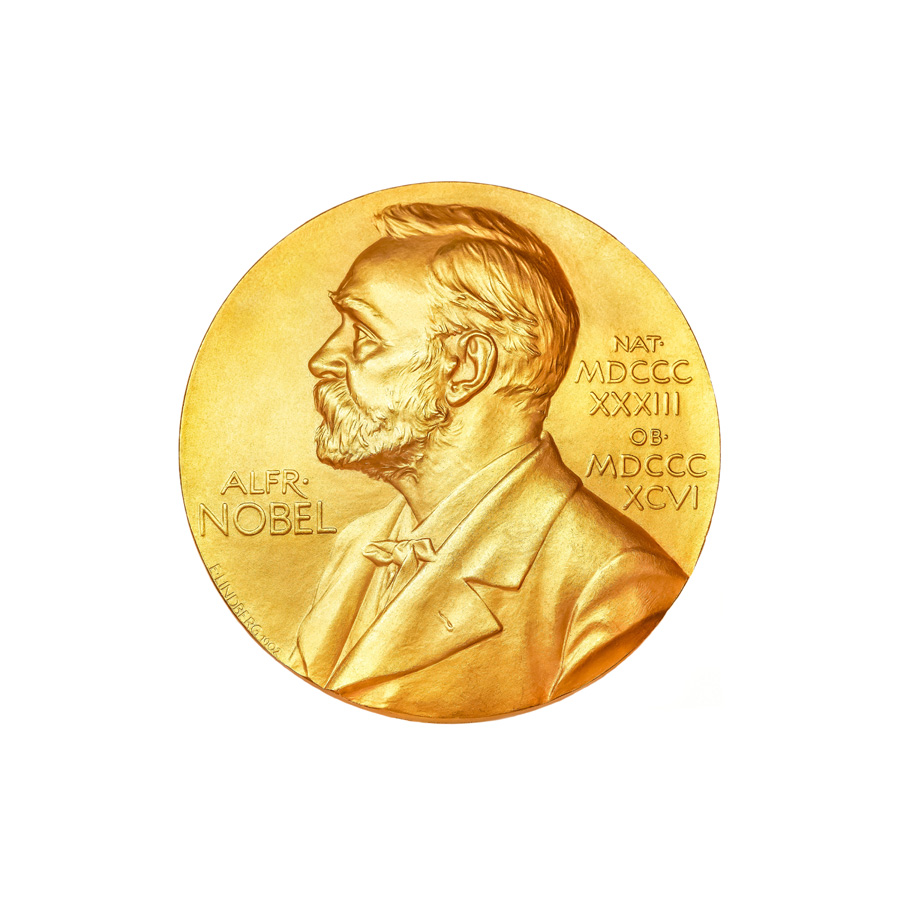
The 2014 Nobel Prize in Physiology or Medicine has been awarded to John O’Keefe, May-Britt Moser and Edvard Moser.

The researchers discovered how the brain helps us navigate the world around us. O’Keefe, a neuroscientist at University College London, discovered specialized “place cells” that were activated when a rat explored a room.

In 2005, the Mosers (a married couple who share a laboratory at the Norwegian University of Science and Technology in Trondheim, Norway) together discovered another component of the brain’s positioning system. The “grid cells” they found create a coordinate system by firing at regular spatial intervals as an animal explores a space. They went on to show how grid cells and place cells work together.

Keep watching this blog for reaction.

Update 11:05 a.m.

As coincidence would have it, Nature was planning to publish a feature story on the Mosers in this week’s issue. Here it is.

Update 11:11 a.m.

The Mosers explain how grid cells work in this 2011 video. For more videos from the duo, follow this link.

Update 11:32 a.m.

In their press release (download the PDF here) announcing today’s award, the Nobel Committee recognizes work that O’Keefe did in the 1970s and research in the Mosers’ lab three decades later. But the three all worked together in 1995. The Mosers were fresh out of graduate school, and they did a short stint in O’Keefe’s lab, learning how to take electrical recordings of place cells. “This was probably the most intense learning experience in our lives,” they write, in a nice summary of their work on their lab website.

Update 11:52 a.m.

The Nobel website has a recording of May-Britt Moser’s response to the news. She says her husband is still on a plane and hasn’t yet heard the news. He’s due to land in Munich soon. “That would be fantastic if people were waiting at the airport. He would be in shock,” she says.

Update 12:07 p.m.

John Stein, a physiologist at the University of Oxford, says that O’Keefe’s discovery of place cells initially raised more than a few eyebrows. In a statement sent to reporters by the UK Science Media Centre he says: “I remember how great was the scoffing in the early 1970s when John first described ‘place cells’.  “Bound to be an artifact”, “He clearly underestimates rats’ sense of smell” were typical reactions.  Now, like so many ideas that were at first highly controversial, people say “Well that’s obvious”!”

Updated 1:39 p.m. Corrected affiliation of May-Britt and Edvard Moser

European regulator confirms milestone medical-data transparency rules

Clinical trial data previously kept behind closed doors is to be released to the public by Europe’s medical regulator, after a new transparency policy was finally agreed at the European Medicines Agency (EMA).

The EMA, which is responsible for licencing drugs to be sold in European Union states, has been embroiled in a long-running debate about how it could or should release information submitted by drugs companies seeking permission to market their medicines. On 2 October, the EMA management board approved a new policy that will see it pro-actively publish clinical reports submitted to the agency in support of marketing authorisation from 1 January.

Guido Rasi, the executive director of the EMA, said the policy “sets a new standard for transparency in public health and pharmaceutical research and development” and would provide an “unprecedented level of access to clinical reports”.

This policy has been subject of fierce debate since it was first proposed, with transparency campaigners claiming the EMA was not being bold enough, and that pharmaceutical companies had previously been able to manipulate perceptions about the effectiveness of their drugs by choosing to conceal data that might paint them in a bad light. And industry has feared that commercially sensitive information would be released, and this could compromise their long-term ability to invest in research.

A key change from earlier versions of the policy is that researchers, and other members of the public, will now be able to download data. It had previously been suggested they might only be allowed to view clinical reports on screen, limiting their ability to reanalyse the huge datasets collected by pharmaceutical companies in clinical trials.

Concerns have also been raised about confidentiality, and the possibility that it might be possible to identify some individuals from the patient data in these clinical reports, particularly in the cases of rare diseases. In future the EMA will make data down to the level of individual patients available, but it wishes to consult further about how it can do this while protecting privacy.

Companies will also be able to request that parts of their data do not go into the public domain if they consider them to be ‘commercially confidential’. This has already been criticised by some transparency campaigners, but the EMA insists it will have the final say on what is redacted, and the assumption will be that information is not commercially confidential.

Information held by the agency from pre-2015 company submissions will be available under an existing policy where researchers can request access, but it will not be placed in the open.

First US Ebola case diagnosed

A man has been diagnosed with Ebola virus disease in Dallas, Texas.

The man diagnosed with the illness on 30 September is the first in the United States, and the first person ever diagnosed outside Africa with the Zaire species of Ebola virus, which has killed more than 3,000 people in Africa in the current outbreak. A handful of Ebola patients have been treated in the United States during the current outbreak after being diagnosed with the disease in Africa.

The patient travelled from Liberia to the United States on a flight that landed on 20 September, began experiencing symptoms on 24 September, sought care on 26 September and was admitted to an isolation ward at Texas Health Presbyterian Hospital Dallas on 28 September. The US Centers for Disease Control and Prevention (CDC) in Atlanta and a state health department lab in Austin, Texas, both diagnosed Ebola in samples from the patient.

CDC director Thomas Frieden said that the patient was in the United States visiting family and did not appear to be involved in the Ebola outbreak response in Africa.

Frieden said that public-health officials began tracing the contacts of the individual today, and do not think that passengers who were on his flight are at risk of infection with Ebola. Frieden said that officials have identified “several family members and one or two community members” who had contact with the patient after he became sick and so therefore may have been exposed to the virus. Officials will monitor them for 21 days, the period of time in which they will show symptoms if they have been infected with Ebola.

“Ebola doesn’t spread until someone gets sick, and he didn’t get sick until four days after he got off the airplane, so we do not believe there was any risk to anyone who was on the flight,” Frieden said.

“I have no doubt that we will control this importation, or case of Ebola, so that it does not spread widely in this country,” Frieden said. “It does reflect the ongoing spread of Ebola in Liberia and West Africa where there are a large number of cases.”

Frieden said further that doctors were considering providing experimental treatments to the patient such as injections of blood or serum from other Ebola survivors.

“That’s being discussed with the hospital and family now and if appropriate, they would be provided to the extent available,” Frieden said.

Few other details about the patient were provided, though officials did say that he is “ill and in intensive care”.


US announces rules for potential bioterror agents

A long-awaited US government policy on biological research that could be used for terrorism or other nefarious purposes is little changed from a draft released 19 months ago, despite receiving 38 comments from institutions and researchers concerned that it goes either too far or not far enough. The centrepiece of the policy, released on 24 September, is a set of guidelines for researchers working on 15 specific pathogens or toxins. But the rules do not regulate experiments that engineer pathogens not on the list to make them more deadly – so-called gain-of-function research.  Officials from the White House and US National Institutes of Health (NIH) say the government will be addressing these concerns in coming weeks.

The White House released its first draft policy on dual-use research of concern, or DURC, in February 2013. The policy requires researchers at institutions that receive funding from the US government and are working with one of 15 specific pathogens or toxins to notify their institutions if there is potential that their work could be misused. The institutions will then assess whether or not the research qualifies as DURC. In parallel, the federal government will assess whether such research should receive funding. It will work with the institutions to plan how to manage concerns such as containment of listed pathogens and the public release of information that could allow them to be misused. Amy Patterson, director of the NIH Office of Science Policy, says that it is “incumbent upon investigators”  to report projects that have become potentially dangerous since they were funded, such as the discovery of a new pathogen, at which point the institutions and government would review the project again. Institutions that do not comply will have their government funding withdrawn.

The rules apply only to labs that receive government funding. All institutions are required to register with the US Centers for Disease Control and Prevention (CDC) if they are using one of a longer list of “select agents” defined by the government. But experiments that would, for instance, make a pathogen not on the list more dangerous “would be outside the scope of the current framework,” Patterson says.

Such experiments would include the controversial creation of a mutant flu virus that is deadlier and more transmissible between animals.

Marc Lipsitch, an epidemiologist at the Harvard School of Public Health in Boston, thinks the policy may be of limited use for biosecurity. “I think any list of agents is a temptation, if you’re trying to get around it, to find another agent to do mischief with,” he says.

Patterson says the National Science Advisory Board for Biosecurity (NSABB), which monitors and advises on biological threats to the NIH and federal government, will discuss regulating gain-of-function research at an upcoming meeting on 22 October — its first meeting in two years.  Possible dangers include not just misuse but unintentional releases of pathogens. In two recent incidents at the CDC, H5N1 virus was accidentally shipped to a lab instead of a harmless virus, and dozens of workers were potentially exposed to anthrax.

The 15 pathogens and toxins on the list include:

  • Avian influenza virus (highly pathogenic)
  • Bacillus anthracis
  • Botulinum neurotoxin6
  • Burkholderia mallei
  • Burkholderia pseudomallei
  • Ebola virus
  • Foot-and-mouth disease virus
  • Francisella tularensis
  • Marburg virus
  • Reconstructed 1918 influenza virus
  • Rinderpest virus
  • Toxin-producing strains of Clostridium botulinum
  • Variola major virus
  • Variola minor virus
  • Yersinia pestis


Clarification: The original version of this post failed to identify the source of the quote in the third paragraph. The post has been amended to add the source.