Climate change seems to be our favourite punch bag, whatever the calamity — droughts, failed monsoons, floods or cyclones. How much science goes into deciding which of these natural phenomena are an offshoot of the global climate change phenomenon? Is climate change reporting as robust (or weak?) as the scientific evidence to back accentuated glacial melts or sea level rise?
The workshop
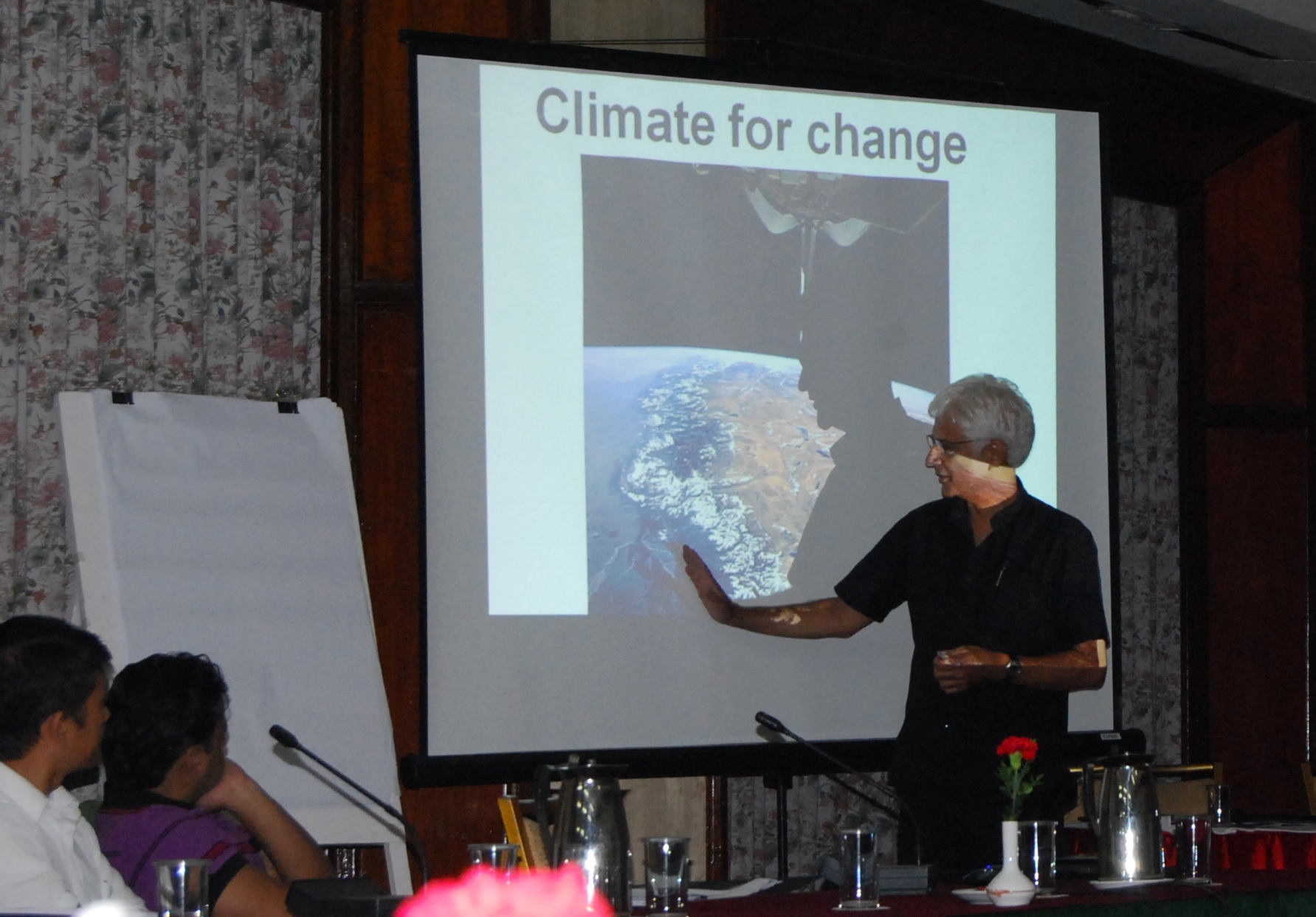
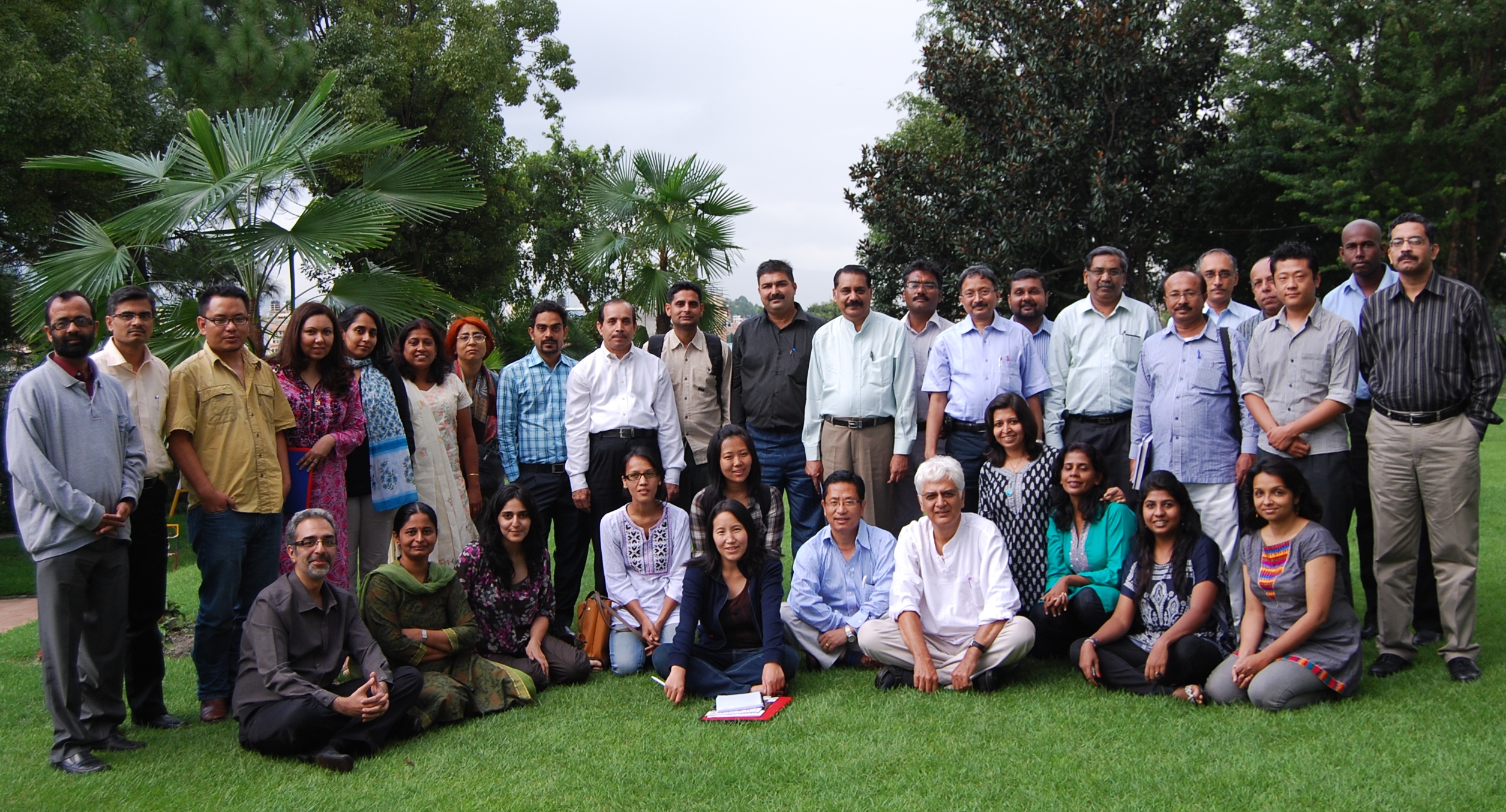
A regional meet of climate change communicators from the SAARC nations currently underway in Kathmandu, Nepal (August 24-30, 2012) is seeking to look at all that is good with our reportage and all that we need to improve. It would look and feel like any of the umpteen such well meaning ‘workshops’ which fail to make much headway but for the presence of some real ‘experts’ who have toiled it out on the ground. From Nepalese journalists who have trekked the Hindukush range to Sri Lankan scribes who have shrugged off the ‘small island nation’ tag to influence policy across south Asia; spirited Editors of newspapers, magazines and television channels from SAARC countries to radio reporters whose voices reach the farthest corners of our villages — the mix at the meet organised by PANOS is eclectic and therefore works.
The basic premise of their coming together is to corroborate what we know all along but need occasional nudging to recall — that the rules of science and the rules of journalism are actually the same: to question, to inquire and to investigate.
The rigour of the week-long workshop and its academic nature notwithstanding, the stand-out feature has been the brilliant anecdotal asides that each session throws up, which the editor of a Bhutanese daily described as media’s ‘dazzle’ stories on climate change.
For instance, shepherds in the Hindukush Himalayas are actually happy with the tiny lakes being formed from glacial melts — it means fresh water and more pastures for their sheep. Women in some Indian villages have been rendered unmarriagable because of the water scarcity in the region (who wants water-stingy in-laws?) . No cars can ply on the roads of Bhutan on Tuesdays, even if you are dying and need to be rushed to a hospital — an example of an extreme step taken by the government to keep the effects of climate change at bay. While wildlife activists in Colombo might be fighting hard to protect their cultural emblem — the elephant –, villagers facing the wrath of the pachyderms want the beasts to die. They just won’t cast their votes unless the government ensures electric fencing around villages to keep wild elephants away.
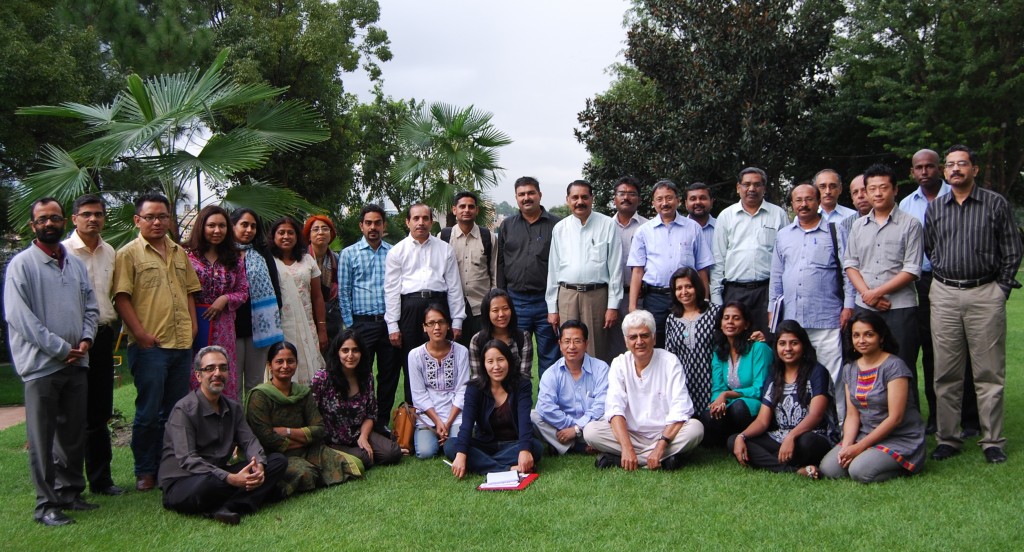
Climate change communicators from across South Asia are attending the workshop.
These lesser known stories and many more such have thrown open another debate on the sharp urban-rural perception divide on issues such as environment, wildlife and climate change. While we were busy framing protocols and worrying about wording them correctly, people most affected by climate change were sitting in faraway foothills and forests oblivious of the threat posed by the burning global issue.
That said, all victims certainly are not ignorant or unperturbed. A number of cases of indigenous knowledge in action also got into the anecdotes lore of the workshop. Like the heart-warming story of 75-year-old civil engineer Chewang Norphel who is building artificial glaciers in the driest villages of Ladakh for perennial water supply. Or the Lahore man who lives in a quiet ‘green’ house in a neighbourhood hopelessly drowned in the whir of generators.
The media’s coverage of climate change came in for scrutiny as data from University of Colorado was pulled out to show peaks in the graph only during significant annual events such as the Copenhagen climate change conference of 2009 or the Cancun or Durban conferences. The graph also peaked when there was a natural calamity — a drought, a flood, a cyclone — presumably linked to climate change. This, the workshop felt, needs to be changed with more regular policy features, success stories and informed opinion. The media’s role to warn policy makers and imminent victims in the run up to a natural disaster through science-backed reportage was also discussed at length.
And since I must end with a smiley, here it is. They are hunting like crazy for the unique half-plant-half-insect Cordyceps sinesis in the highlands of Bhutan, Nepal and India. It sells for a couple of lakhs of rupees a kilogram for its aphrodisiac virtues. As we know, Bhutan measures its progress with the Gross National Happiness (GNP) index (into which an environment component is built in, by the way). I’m sure there are a lot of happy people in the beautiful ‘60% forests country’ right now!