Finding job satisfaction at a biomedical device company

Perseverance can help land a position, but relevant experience is a big help.

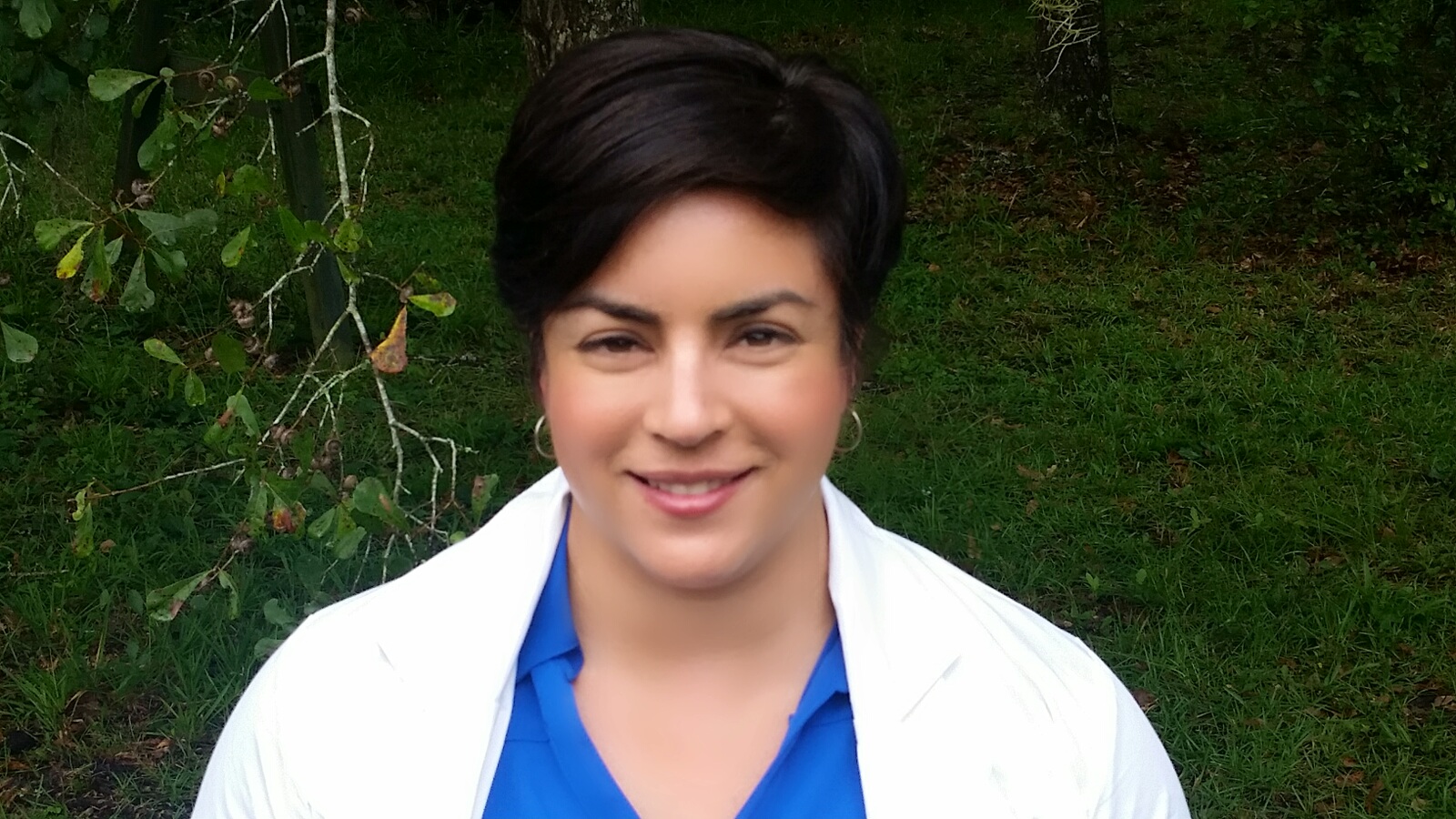
As she was finishing a postdoc at the University of Florida, Gainesville, Stefanie Marquez-Vilendrer found herself in the midst of a long, broad job search. She describes how she landed a position at Axogen, a biomedical company that develops and sells products for nerve surgeries.

If you’ve moved from a trainee position to a permanent job within the last five years and would like to participate in this series, please email naturejobseditor@nature.com.

2016-10-03-08-16-35-835

{credit}Joseph E. Vilendrer{/credit}

Continue reading

The postdoc series: Help for lost postdocs

Self-reflection can help young researchers analyze their skills and plan for their futures.

write-think-naturejobs

{credit}Wavebreak Media/Thinkstock{/credit}

Alice asked the Cheshire Cat, who was sitting in a tree, “what road do I take?”

The cat asked, “where do you want to go?”

“I don’t know,” Alice answered.

“Then,” said the cat, “it really doesn’t matter, does it?”

— a paraphrased version of the scene in Lewis Carroll, Alice’s Adventures in Wonderland

Karen Hinxman completed two postdocs before realising she was on the wrong road and wasn’t cut out to be a professor. “I still love science and research, but I’m better suited to my current role,” she says. Now she’s a career consultant at Imperial College London, working with other postdocs who are looking for careers advice. “The perpetual postdocs are usually still there either because they are determined to become professors, but more often than not, they don’t know what else to do.”

Hinxman’s postdoctoral experience, like that of many others we’ve seen in this series, was beneficial when it came to finding a job outside academia. She had an insider’s point of view of what life as a postdoctoral researcher was like. “What comes next very much depends on the postdoc, what kind of person they are and what career they are hoping for.” Continue reading

Job search: Probing questions

Job security comes from having more control over your career, which starts with asking probing questions, says Clare Jones.

Contributor Clare Jones

Questions-naturejobs-blog“I want to leave academia and find a job that has more security and less stress. Where should I start looking?”

Wanting to leave academia for a less stressful and more secure job, is a regular comment made in individual careers appointments with early career researchers. Academic life has certainly become more stressful, and the early stage research career has a great deal of uncertainty about it. More and more people are considering whether or not this is the career for them. However I do not want to move immediately to providing job search resources as this may not be beneficial initially, and difficult as it might be I would like you to consider:

Why are you looking for something less stressful?
As a Careers Adviser and someone with a “career” to manage, I am concerned when the motivation to make a change is about seeking a less stressful job. I do accept that some reading this may have a diagnosed stress condition and they do need to carefully balance their career and condition. For others (myself included) we can get “stressed” by our work or career situation in very different ways. Do think about why you are stressed: are you working on the wrong project?; or in the wrong environment or group?; have your priorities for your career and your life changed? By identifying, and accepting, that you or your priorities have changed or that the choice you made to undertake academic research hasn’t worked out as you hoped, you may avoid simply changing one stressful situation for another. Continue reading

Job search: Strategies for success

Self-reflection, skill building, researching of job markets, and setting goals are part of a successful job search strategy.

Contributor Prital Patel

job-search-patel-naturejobs-blog

{credit}Image credit: Shawna Lu{/credit}

As exciting as it is to see a sliver of light at the end of the tunnel, for me the future after my medical biophysics PhD is still an apprehensive unknown. Despite having spent over half a decade specializing in an infinitesimal aspect within the grand scope of science, in some ways, I do feel that the range of options of what I can pursue, be it entrepreneurship, academic science or law, are as open to me as they were before I started picking classes at 16. What I have repeatedly learnt from attending career talks is that a PhD arms you with a number of transferable skills that make you amenable to many jobs and job settings. This then begs the question: How can PhDs or postdocs be more strategic about their job search?

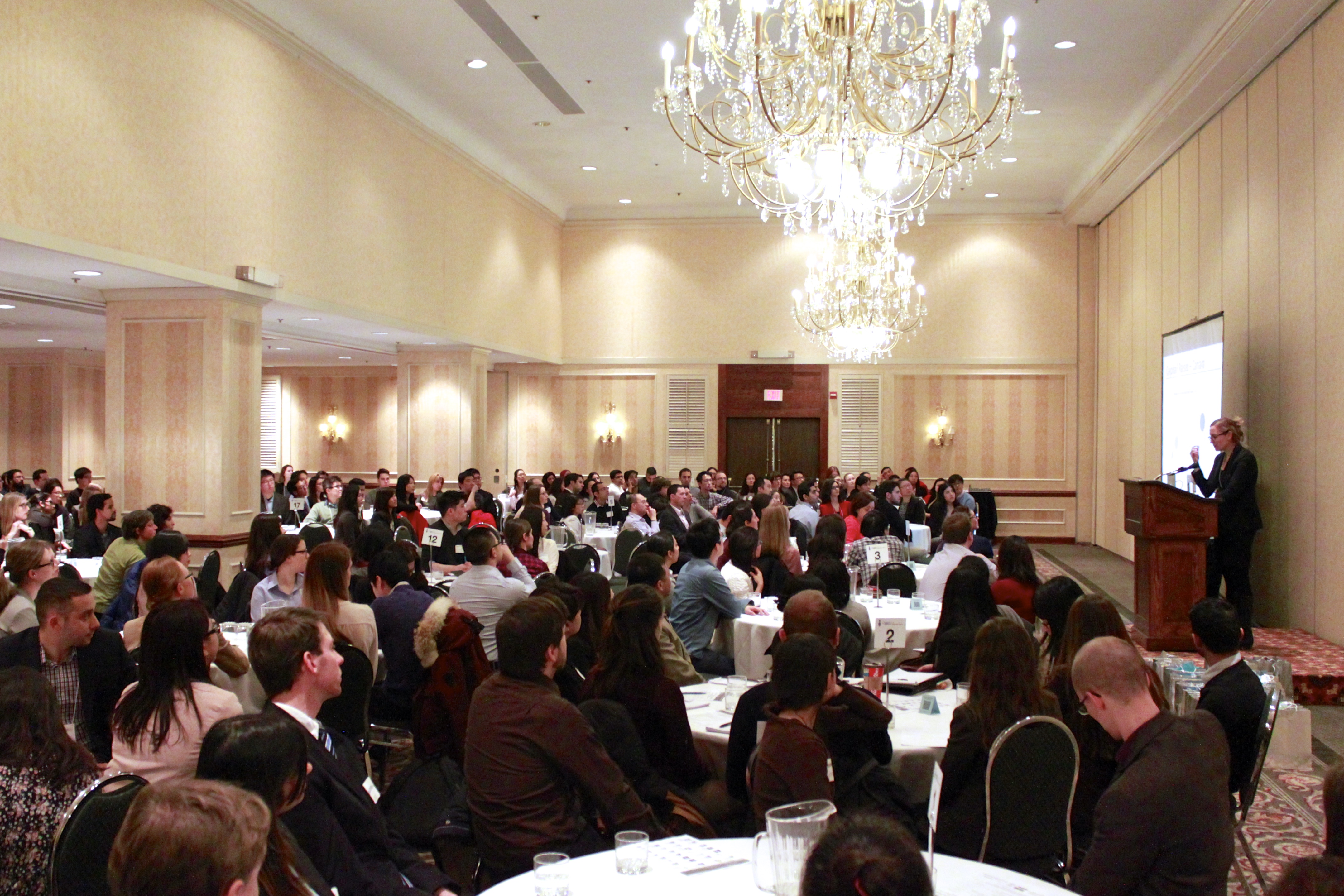
In February this year I co-chaired the 11th annual networking reception for the Life Sciences Career Development Society (LSCDS) at the University of Toronto. I invited Lauren Celano from Propel Careers to give a keynote speech on the job market and strategies for successful job searches (she also gave a great talk about informational interviewing). Although the scope of the talk centred on life sciences, many of the strategies discussed can be extrapolated to other fields of expertise.

A strategic job search requires an amalgamation of self-reflection, proactive skill building, research of job markets and organizations, and setting goals. Celano pointed out that PhDs have a whole ecosystem of companies in which they can secure employment, including companies of different sizes that they can work for (global, local, large, medium, and small) and different types of companies (biotechnology, venture capital, law firms, marketing and communications etc.). Celano articulated some useful strategies for making informed decisions in a job search. I found them particularly helpful, so I wanted to share them with you. Continue reading

The postdoc search timeline

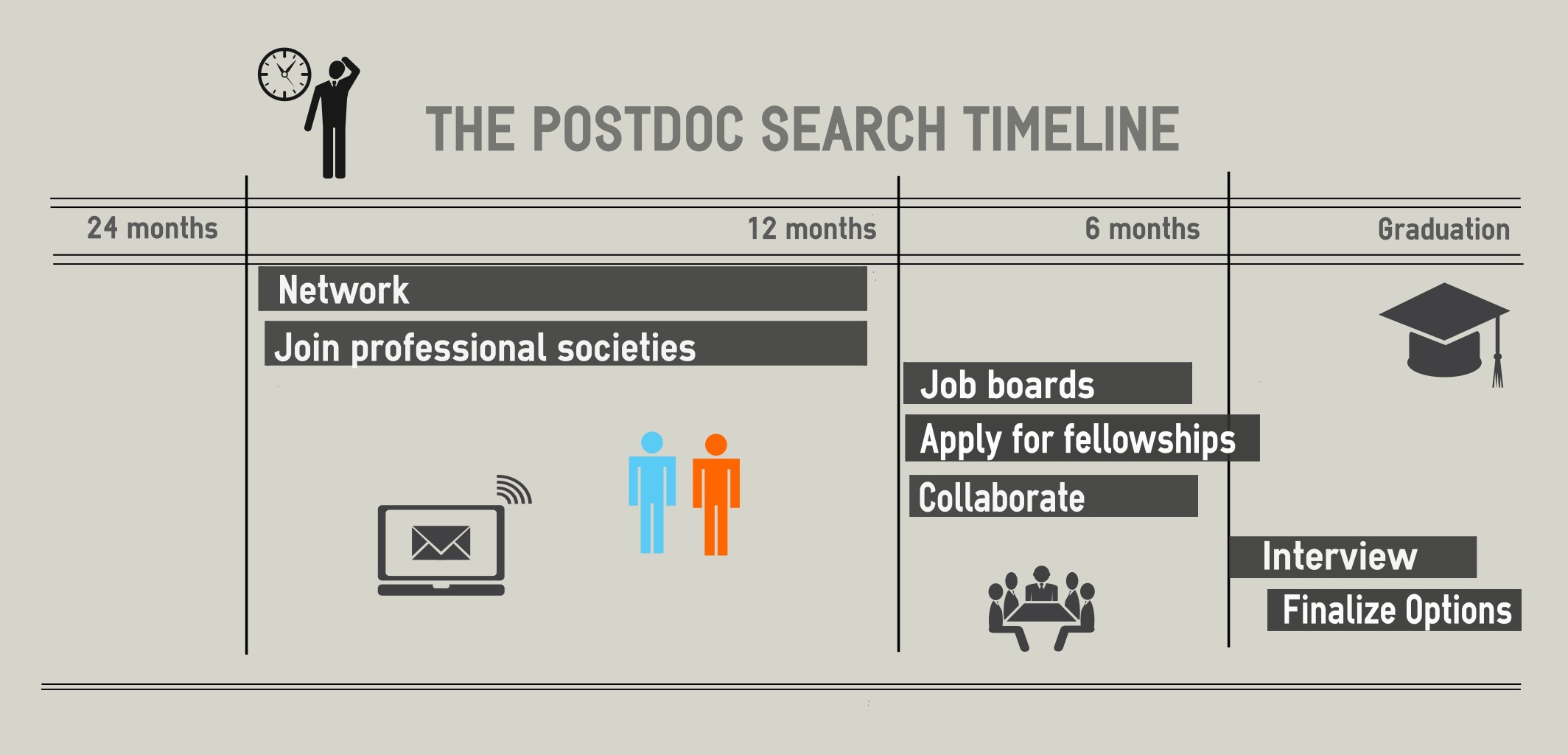
Looking 2 years ahead when it comes to a job/postdoc search can help scientists prepare more thoroughly.

Contributor Shimi Rii

“It’s never too early to be looking, so always be looking,” advises Ty Samo, postdoctoral scholar at the Center for Microbial Oceanography: Research and Education (C-MORE) at the University of Hawaii.

Whether your ultimate goal is to become a tenure-track professor or not, if you like research, becoming a postdoc is still a common next step for many graduating PhD students. By becoming a postdoc, new PhDs can (finally) receive a full-time salary to conduct research and diversify their skill set, making themselves more marketable for future job searches. As I started preparing to seek out postdoc and job positions for next year, I asked five postdocs for advice. It seemed that many followed a general timeline, set before prospective graduation.

shimi-rii-postdoc-timeline

{credit}Image credit: Shimi Rii{/credit}

1-2 years: Start making a list of potential postdoc advisers and laboratories of interest

Have conversations with your professors. Talking to prospective employers to see if you’ll be happy working with them is as important as the research they’re doing. Samo started emailing professors he met through summer programmes 2 years before defending his thesis. Stuart Goldberg, postdoc with the Hawaii Ocean Time-series programme, spoke to one of his thesis committee members because he felt that he could see himself working with her, and because she employed skills in her research that would help further his career. Continue reading

How to look your best on paper: Part 2

Contributor Prital Patel

CelanoDuring the first half of the Naturejobs Career Expo conference talk, “How to look your best on paper”, Lauren Celano spoke about the skills that should be highlighted in your resume for various career paths. In the second half of the talk, Celano elaborated on the differences between CVs and resumes, how to chose the right one for your application and how to compile your experiences in the best way.

Curriculum Vitae versus Resume

A Curriculum Vitae (CV) documents your academic career including publications, awards, honors, affiliations, presentations and teaching experiences in reverse chronological order. They tend to be at least two pages in length. CVs are common in Europe, Asia, Africa and the Middle East for most job applications. In the United States and Canada, CVs are primarily used for academic and research positions or fellowship applications. For non-academic positions, a resume is generally preferred. Resumes are concise documents summarizing your qualifications, education and work experiences. They tend to be no more than two pages.

The key goal for each of these documents is to ensure that they are succinct. Don’t minimize any of your accomplishments; instead highlight the things you’ve done that are most relevant. Continue reading

How to develop an effective job search strategy

Contributor Scott Chimileski

Lauren Celano WorkshopBased on the Developing an Effective Job Search Strategy workshop presented by Lauren Celano, CEO and Founder of Propel Careers, at the Naturejobs Career Expo in Boston, MA, May 20th 2014.

As a graduate student or research scientist, it is easy to forget that you don’t need to, and most likely will not, continue on in the specialised field you were trained in. Your experience and training has prepared you for an entire ecosystem of professional opportunities not limited by your studies in molecular endocrinology or bacterial genetics. The job search strategy outlined below is directed at finding a match between your own qualities and background and the great diversity of available science jobs.

A multitude of career paths exist in academia, at non-profit and medical institutions, and within industry. You may be aware of many of the opportunities in research and development, but there are also science jobs in commercialisation. These jobs range from marketing and market research, to project and product management. There are roles in pharmacoeconomics, clinical communications, medical writing, business development, and sales.

A main point of emphasis introduced early by Lauren Celano during the Developing an Effective Job Search Strategy workshop at the 2014 Naturejobs Career Expo was “fit matters”. It is critical to realise that companies and institutions are distinct places of employment, just as you are unique as an employee. Therefore, your goal should be to find your niche: the particular microenvironment in the professional ecosystem where your skills, knowledge and personality traits will allow you to succeed and grow. Continue reading