
Tag Archives: Mental Health
Depression and anxiety are common among graduate students
A study assessing the mental health of 2,279 PhD and master’s students from around the world has brought new attention to a pressing issue: For many, the pursuit of an advanced degree takes an emotional toll, as reported online on 6 March in Nature Biotechnology.
Turning scientific scrutiny on science itself
A proactive approach could help researchers contribute to solving many of the problems they encounter in academia
Naturejobs journalism competition winner Jiska van der Reest
The three-year PhD program: good for students? Or too good to be true?
Calls to modernize the PhD to meet the demands of the job market are being answered by the introduction of a more streamlined three-year PhD program. But such changes are not necessarily in the best interests of students, say Alice Risely and Adam Cardilini
PhD students are the backbone of the research industry, often responsible for compiling precious datasets for their lab and learning the cutting-edge techniques required for analysis. But completing a PhD is hard, and getting harder as scientific standards creep steadily upwards. It takes over a year longer for current students to publish their first scientific paper than those 30 years ago because of the increasing data requirements of top journals. Across Europe and Australia, this is one reason why students are taking an average of four to six years (or longer) to complete their PhDs, despite candidature contracts usually being a maximum of four years, and government scholarships lasting at most three and a half years.
Delays in completion reflect badly on universities, and can threaten future funding. They can also threaten the job prospects of graduates, who are increasingly expected to have excellent time and project management skills for careers outside academia. In an attempt to combat lagging completion times and increase employability of graduates, universities are redesigning the PhD by rolling out three-year PhD programs. These shorter programs are intended to provide increased structural support to students, whilst also promoting broader and more applied skills required by non-academic employers. The catch is that these PhDs must be completed within three years, unless the student faces project delays that were unequivocally beyond their control. But is the three-year PhD program really in the best interests of all, or even most, students?
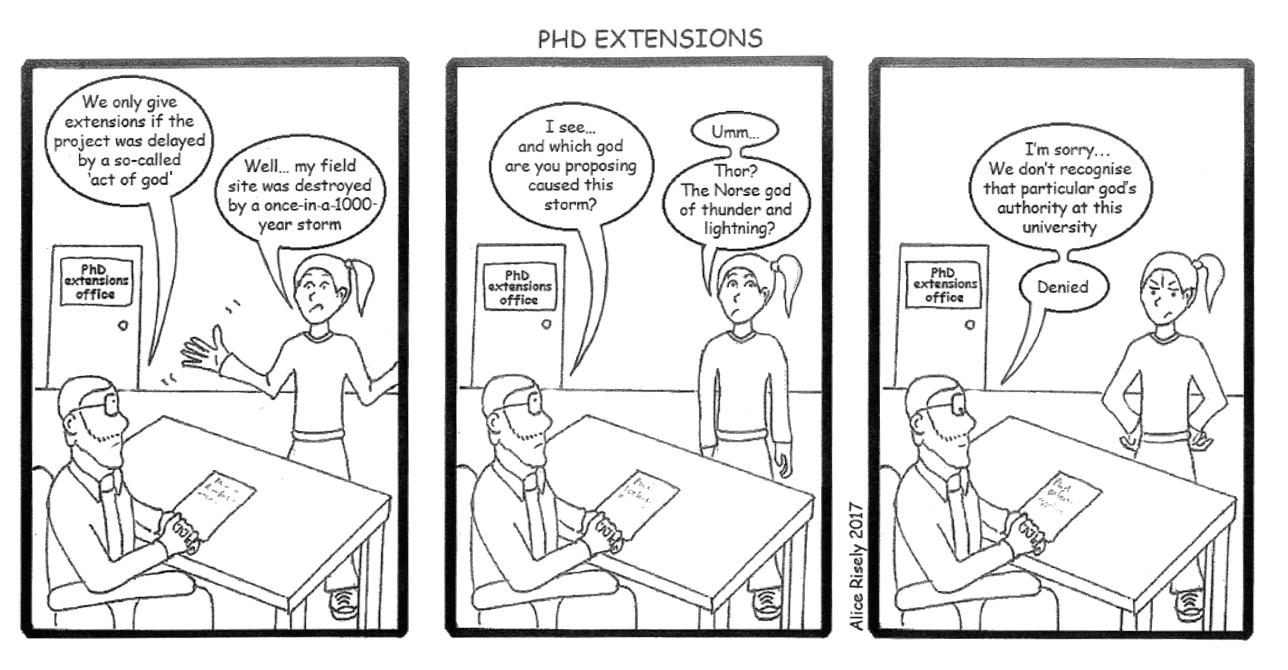
It will be harder to get PhD extensions under the new model.
Mental health problems: Should you tell your boss?
A survey of more than 1000 UK adults to mark Mental Health Awareness Week found that almost half are unlikely to tell their boss about problems such as anxiety, depression or bipolar disorder.
Sue Baker, head of the charity Time to Change, says telling your boss about a psychiatric illness is not always advised, particularly if an employer is not openly supportive of mental health problems in the workplace.
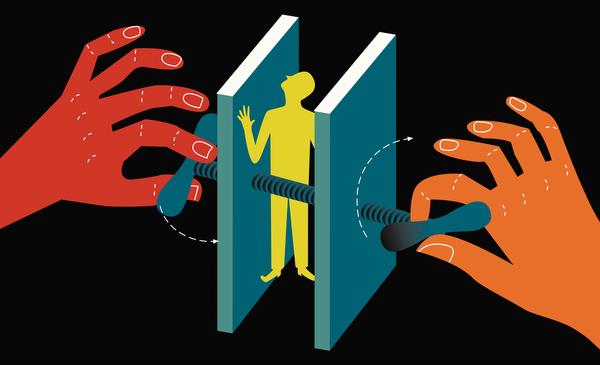
{credit}Getth{/credit}
Being proactive about mental health during your PhD: a very short guide
Psychologist Karra Harrington shares some tips for Mental Health Awareness week.
When I started out in my PhD I was excited about the challenges I would face. Two and a half years later I’m still excited about my research, but, like most PhD projects, it‘s not all been smooth sailing. Rather than let how I was feeling derail my progress, I decided to use my training as a psychologist to develop ways to be proactive about managing mental health during the course of a PhD.
Degree and depression
Freelance writer Chris Woolston explains how a new study of PhD students in Belgium has underscored a harsh reality: Pursuing a PhD can be hazardous to mental health.
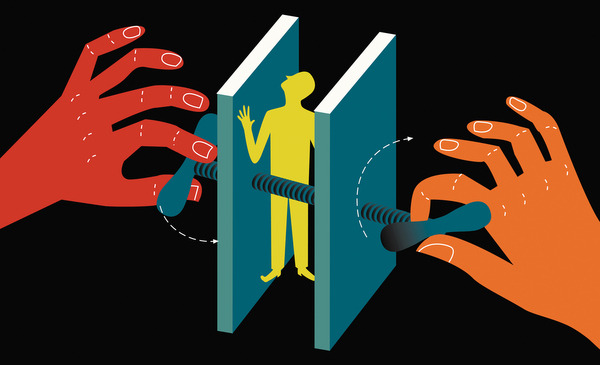
The study, published online in March in Research Policy, found high levels of mental distress among students. More than half of respondents reported at least two mental-health symptoms in recent weeks, and 32% reported four or more symptoms. Common complaints included feelings of constant strain, unhappiness, worry-induced sleep problems, and an inability to enjoy everyday activities. Continue reading
Ten top science career tips for 2017
Top tens are very much a theme of the last issue of Nature for 2016. They include images of the year, 10 people who made a mark in science this year, and a review of the year in science. Naturejobs also gets into the “listicle” spirit by trawling through a year of articles to bring you our ten top career tips (and a few more thrown in for good measure) for the coming year.
1. Want to learn how to design an experiment or analyse data? Training is there if you look.
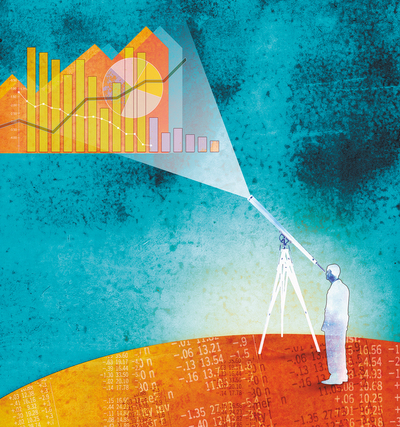 Scientific irreproducibility — the inability to repeat others’ experiments and reach the same conclusion — is a growing concern.
Much blame is placed on weak experimental and analytical practices that cause researchers to inadvertently favour exciting hypotheses.
Monya Baker reports.
In a separate post for Naturejobs, Monya runs through some of the statistical tools she discovered as part of her research. Continue reading
Preparing researchers to manage traumatic research
Studying traumatic events comes with its own risks – the scientific establishment needs to be doing more to protect researchers, says Dale Dominey-Howes and Danielle Drozdzewski.

One of the authors interviews survivors a few days after the September 2009 South Pacific tsunami in the rubble of their communities in Samoa, as part of the UNESCO post-tsunami survey team reporting into the Prime Minister and King of Samoa. “It was a hard day for all of us,” says Dale Dominey-Howes.
What’s the issue and why is it important?
Earth is destabilizing rapidly. Terrorism, conflict, genocide, human displacement, socio-economic disruption, rapid global environmental change, slow emergencies and natural disasters are more common than at any point in history. Consequently, opportunities exist for researchers to investigate the causes, consequences and potential management solutions arising from this instability. For this to happen, we need a well-trained workforce equipped with the skills and capabilities to work with ‘traumatic’ research content, people and places. Continue reading
Failing to fail gracefully
Failure is hard, but keep trying, says John Tregoning (who should follow his own advice occasionally).
Guest contributor John Tregoning
Advice: easier to give than to follow
This time last year, I wrote ten strategies to improve mental health in academic life. I think they’re worth reading, if you haven’t already. You’d think that having given all this advice, I would have followed it, and maintained a Zen-like calm. Not so.
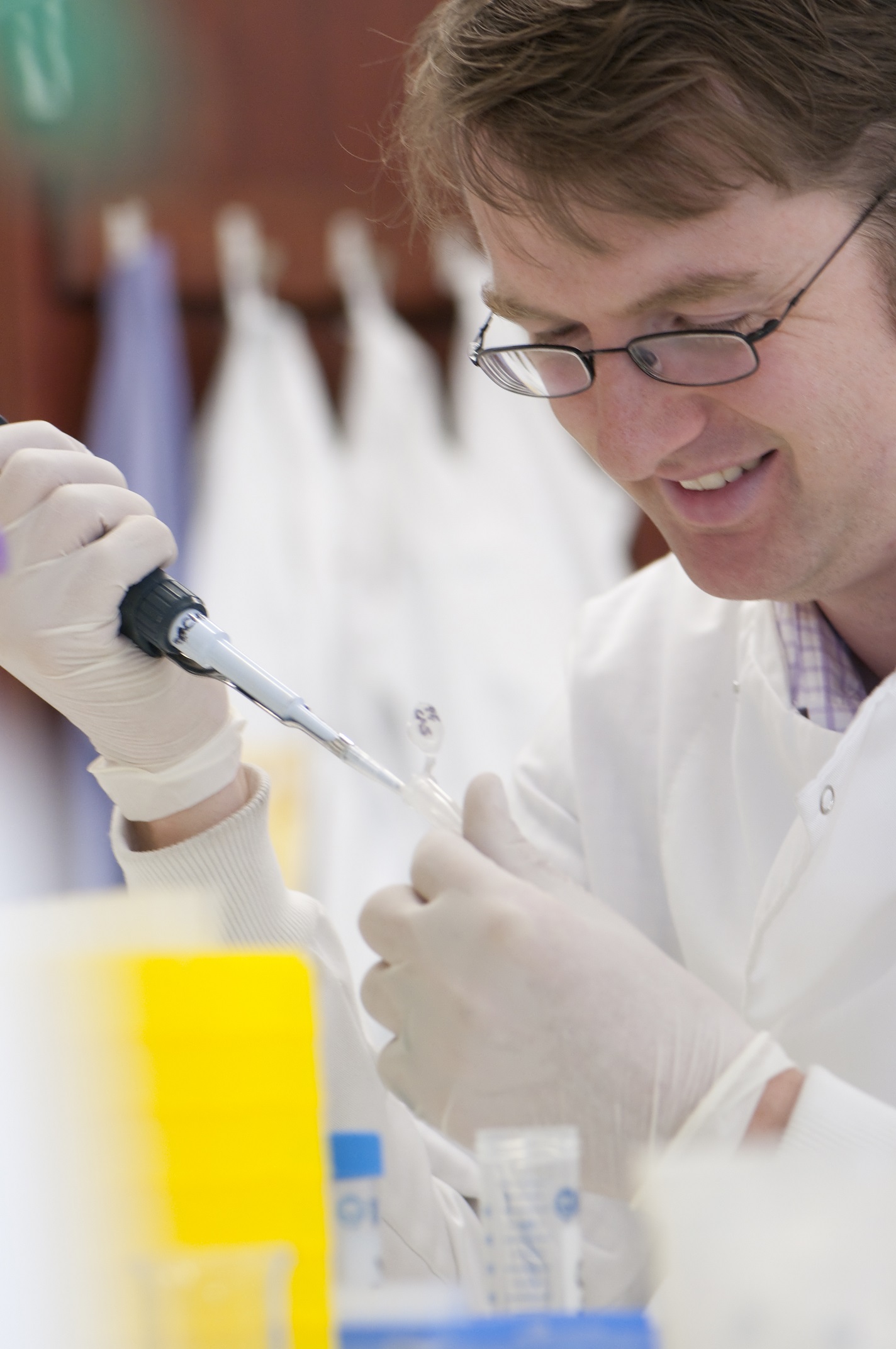
John Tregoning
In the last year I have allowed failure (and the prospect of failure) to define my mood, compared my progress with researchers several leagues above me and found myself wanting, got too obsessed with work to appreciate anything else, taken on more than I can manage, unsuccessfully disguised my jealousy about colleagues’ success, taken criticism as a personal attack, and not spoken to anyone about what was going on in my head.
Whilst reflecting on my inability to follow my own advice, this year I wanted to come up with something that I could follow to improve my own mental health. Then I had (another) grant bounce and realised that, for me, the major contributor to mental health issues in academia is failure. Yes, failure is relative and, yes, there are clearly bigger problems in the world. But in that bitter moment of rejection it’s hard to step back and see that. Continue reading