How to combat implicit bias

The habit of implicit bias can be broken, but it takes awareness and behavioural strategies, says a new study.

Guest contributor Viviane Callier

Gender stereotypes affect our attitudes and behaviours, even if we’re unaware of them. But the habit of implicit bias can be broken: an intervention with faculty at the University of Wisconsin helped to break the bias habit, led to an improved department climate for everyone, and increased faculty hires of women and underrepresented minorities, a new study shows.

Bias, perhaps?

Continue reading

Counting all the ways connections matter

New research shows that the size of a faculty member’s network predicts productivity, promotion, and probability of winning an NIH R01 grant.

Guest contributor Viviane Callier

Connections matter – in terms of productivity, in terms of obtaining grants, in terms of promotion and advancement, and in terms of retention in academic positions, a new Harvard-based study shows. Women and underrepresented minorities (URMs) have a smaller “reach” – a measure of second-order connections – and the discrepancy between the reach of women & URMs and that of white men is greatest at the junior faculty level. This discrepancy may account for differences in productivity, promotion, and retention of women and URMs in academia.

7822101134_6cbcbb435b_o

CREDIT: CC-BY-SA Atos/Flickr

Continue reading

The faculty series: Applying for grants

A successful grant application is dependent on making your science and your message clear, says Viviane Callier.


Guest Contributor Viviane Callier


For many new investigators, applying for and winning grants is one of the biggest hurdles that will determine success on the tenure track. As federal grant budgets tighten, all investigators — and especially new investigators — are struggling to find ways to finance their research.


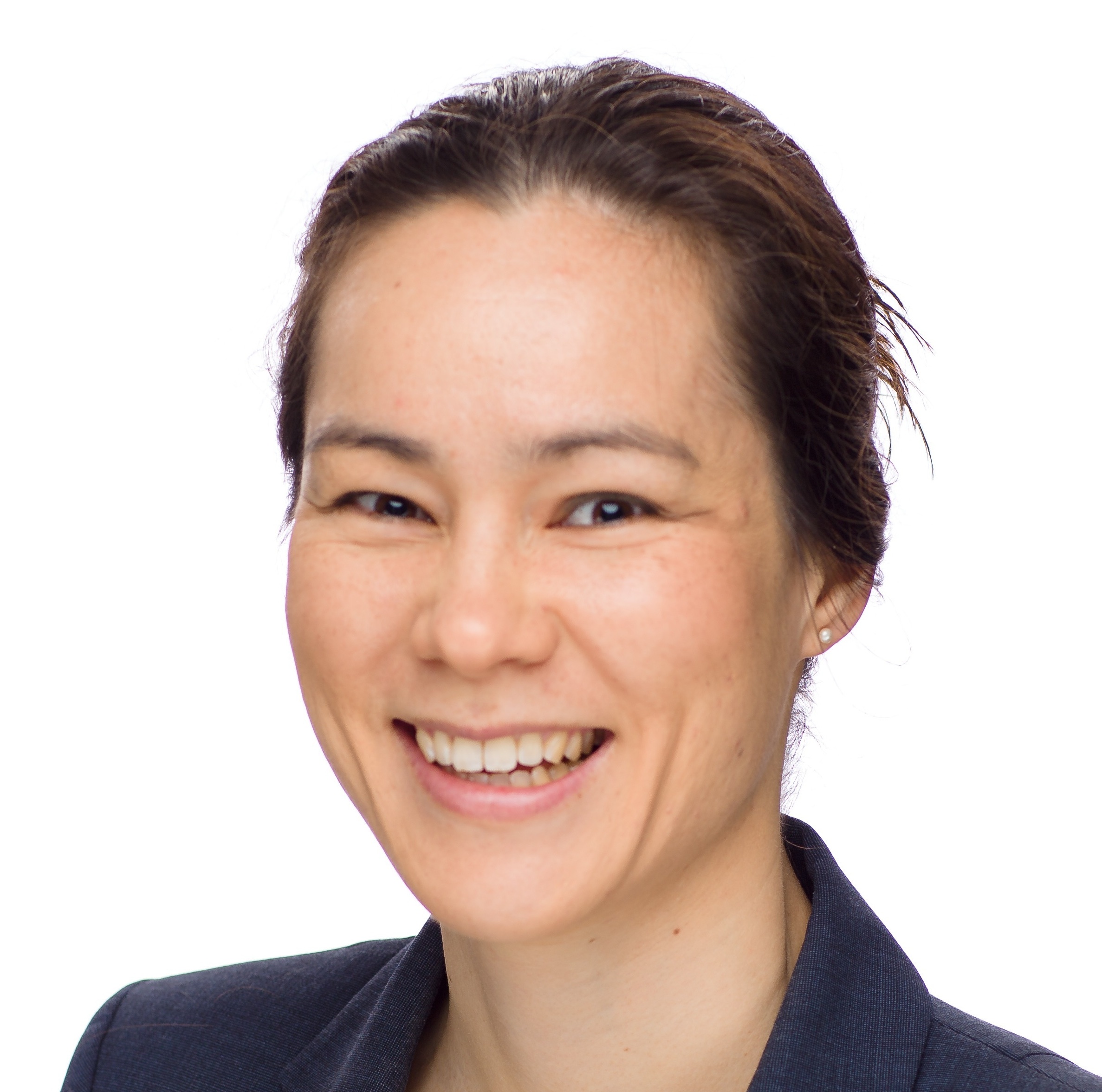
viviane c-6463_cropped copy_April2015

Viviane Callier

Obtaining federal grants is the criterion for obtaining tenure at research universities, according to David Lowry, assistant professor of plant sciences at Michigan State University. The pressure to obtain funding is even larger than the pressure to publish. “Grantsmanship — the ability to write a simple, compelling grant — is hands-down the single most important skill for assistant professors starting out,” says Alexander Shingleton, a tenured associate professor of biology at Lake Forest College, Illinois.

Continue reading

The faculty series: Recruiting staff

Modern and traditional networking techniques can help junior faculty attract top students and postdocs to their labs.

Guest contributor Viviane Callier

Recruiting a critical mass of good students and postdocs is one of the first challenges for a new investigator to establish their lab. “It is easy to order equipment, but much harder to staff the lab and create a lab culture,” says Courtney Babbitt, assistant professor of biology at UMass Amherst, MA since fall 2014.

Recruiting is especially challenging for those who do not have a big name or a history of steady funding to attract trainees, like new faculty. It can be difficult to draw talent to geographically undesirable locations and/or less prestigious institutions, because big cities may offer a variety of career and networking opportunities (in academia and elsewhere), as well as cultural activities that contribute to quality of life. But students and postdocs are needed to help collect data that and move the lab’s long-term research agenda forward; they also bring complementary skill sets, fresh ideas and new research directions. Continue reading

The faculty series: Becoming independent

Gradual transitions to independence can help new faculty establish themselves in their field.

Guest contributor Viviane Callier

149423545

{credit}Thinkstock{/credit}

When Tak Sing Wong became a newly minted professor of mechanical and nuclear engineering at Penn State University in University Park, he realized he was walking a tightrope.

Maintaining a productive collaboration with his postdoc mentor was important, but he also knew he had to show his tenure committee that he was intellectually and financially independent.

Wong isn’t the only one facing this challenge. Many assistant professors struggle to establish themselves, and most universities provide little formal guidance for making the transition, though informal mentoring from more established faculty can help. Many young scientists have likened the process of going up for tenure to a black box. “As a new principal investigator, you are really starting over from scratch. It’s a different skill set” than that of a postdoc, says Dan Speiser, a first-year biology assistant professor at the University of South Carolina in Columbia, South Carolina.

Still, many young academics have learned, by trial and error and informal mentoring, to establish themselves as independent investigators. Continue reading