Lessons in leisure for scientists

The scientific pursuits of wartime prime minister Winston Churchill and King George III can teach today’s scientists about the importance of life outside work, reports David Payne.
Winston Churchill

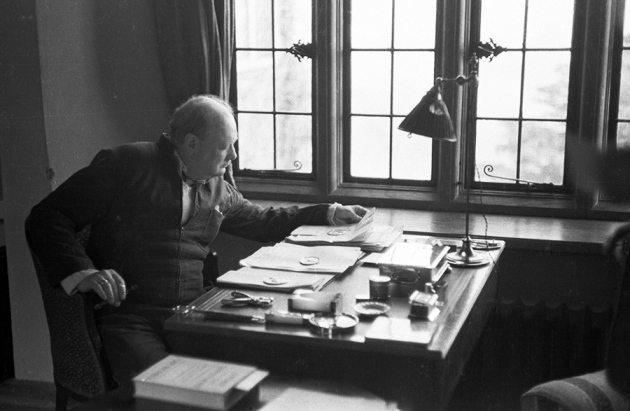
Winston Churchill at his desk in 1939: a prolific writer, he covered scientific topics as diverse as evolution and fusion power.{credit}Getty Images{/credit}


In October 1939 Britain was just weeks into its prolonged fight against fascism and Nazi Germany when Winston Churchill, then part of the wartime Cabinet, penned an essay about alien life. Astrophysicist Mario Livio’s analyis of the lost essay, published in Nature  last month, garnered global media coverage. According to physics professor and science writer Graham Farmelo, the lost essay reveals a “dazzzling scope of inquiry” that shows he was an “even greater public figure than we thought.” Continue reading


Children’s hour

As a scientist, you’re juggling so much already.childcare

You’re managing your research programme, trying to publish, writing grants, and, depending on your career stage, looking for a postdoc or permanent position or supervising and mentoring junior lab members. Plus you likely have teaching obligations, are serving on a committee or three and have to give a big talk soon.

How do you cope with all of that when you have a family? You can’t just put baby in the corner as you race off to the lab in the morning, or rely on the babysitter every single night for three weeks straight because of that thing that keeps happening with your cell culture.

It isn’t easy. But we’ve rounded up a few ideas for you from other parent-researchers that might help smooth your way. One possibility, if you’re about to do a postdoc or are doing one, is to ask your principal investigator (PI) about shared postdocs. While this idea hasn’t taken off (yet) like wildfire, it’s worth bringing to the table, especially if your PI knows that you have young children at home or are planning for one. The risk is minimal, and you might be pleasantly surprised. Remember: no ask, no get. Continue reading

Balancing act

How do you find work-life balance as an early-career scientist?

You can barely keep up with your own research programme, let alone grantwriting obligations, publishing and staying abreast of literature, news and other information. Is there such a thing as a 40-hour week, or is it as extinct as an 8-track tape?

balance-716342_960_720

Continue reading

Balance: Can scientists really have work/life balance?

Do we need to choose between life and science? No. If we learn to delegate and lose our perfectionism, we can have it all.

Naturejobs journalism competition winner Judith M. Reichel

Science is a balancing act. There are experiments to be run, grants to be written, manuscripts to be published, students taught, and conferences to attend. It’s not surprising then that the life of a scientist is a balancing act as well. But how can we balance it, and can we “have it all”?balance-716342_960_720

Continue reading

Have you ever had to compromise your personal life?

We ask speakers at the Naturejobs career expo, San Francisco, if they’ve had to compromise on their personal life to make it in academia.

https://youtu.be/3oRQWv30XN0

Can scientists really have work/life balance?

To be a top performer you need to be happy – something academics tend to forget.

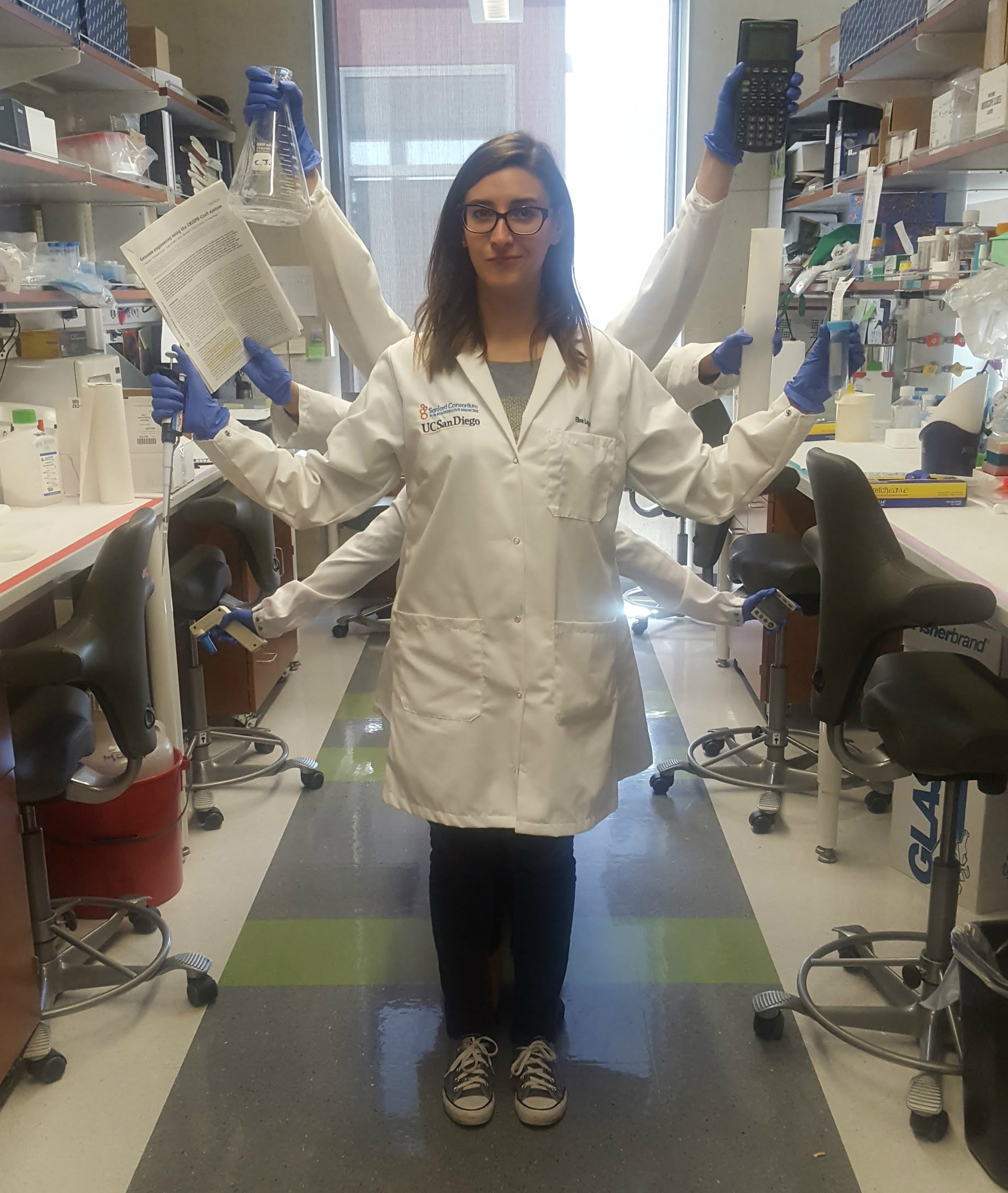
Naturejobs journalism competition winner Elisa Lazzari

Scientists spend a lot of time trouble-shooting. Every day we work on our protocols, and if something doesn’t work, we try again and again, until we fix it. We keep track of all the factors and accurately measure all variables, to find the perfect combination of parameters that work. If there is one thing we can claim after getting a PhD, we’re definitely great at problem-solving. Can we also trouble-shoot our way out of the everlasting dilemma on how to find work/life balance?

Elisa Lazzari

Elisa Lazzari

Continue reading

Careers in academia: How to manage work-life balance with families

If having a family is something you are considering, then chose an employer that will accommodate your needs.

Frances Aschroft, physiology professor at the University of Oxford, James Hadfield, manager of the genomics core facility at the University of Cambridge, Cancer Research UK Cambridge Institute and Lisa Fox, senior trials manager at the Institute of Cancer Research (who has recently returned to work after having children), tackle the question of how to manage work-life balance whilst having families.

Top tips:

  1. Pick the right employer.
  2. Manage your time wisely.
  3. Financial support.
  4. Plan ahead when considering your career.

Further reading:

Women in science: A returner’s perspective

Careers in academia: The different options

Careers in academia: How to get a PhD position

Careers in academia: How to avoid getting pigeon-holed


From Scotland to Brazil: Playing Tetris

How do you pack your life in one bag? Gina Maffey continues to look at the challenges and opportunities faced by an academic couple moving abroad.

Contributor Gina Maffey

Snowdrop-gina-maffey-naturejobs-blog

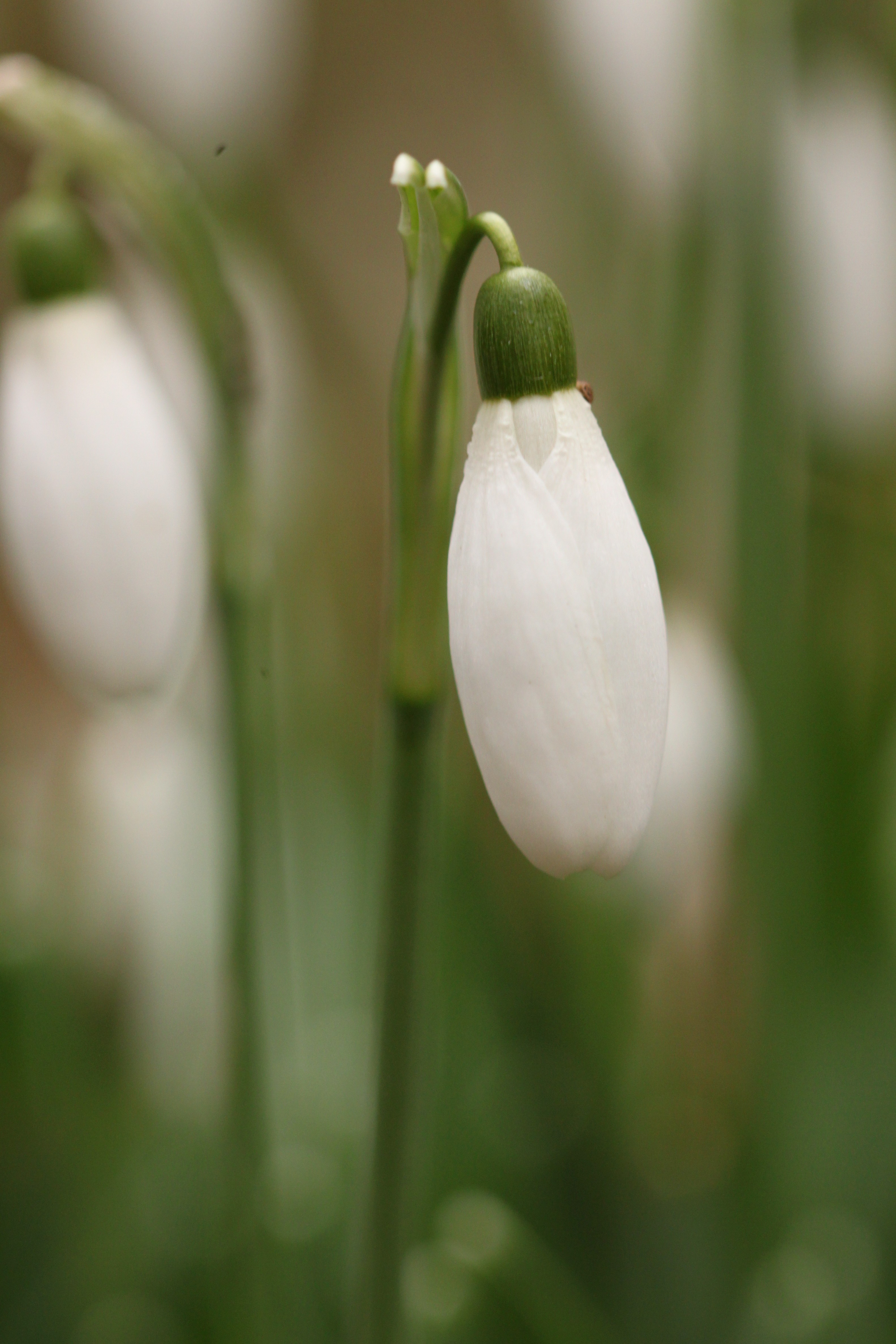
Snowdrop {credit}Image credit: Gina Maffey{/credit}

I sat staring at the two cases on the floor. This was like a complicated game of Tetris. Weeks of lists had culminated in scattered piles around the cases – there was a pile of ‘definites’, a pile of ‘maybes’ and a pile of ‘just-in-cases’. I willed the strewn items to slot into place. Packing becomes more difficult when you try to put a sense of normality into your case.

Clutching a cup of tea, my gaze shifted from the chaos on the floor to a flurry of movement outside the window. A long-tailed tit family was fighting off intruders to their bird feeder, scattering seeds over the snowdrops below. The first snowdrops of the year – a promise of spring, a promise of warmer, longer days, a promise of change.

Is change necessarily a good thing though?

It was a question that had been bouncing round my head for the past few weeks. The culmination of a series of ‘what ifs’ that sat in the pit of my stomach, or woke me like an alarm call at three in the morning. At times I couldn’t tell if I was being rational or ridiculous.

It had always been this way. Right through university. That nagging voice at the back of the mind, second-guessing whether you’ve done the right thing for your career – planting a small seed of doubt that was sometimes difficult to ignore. Continue reading