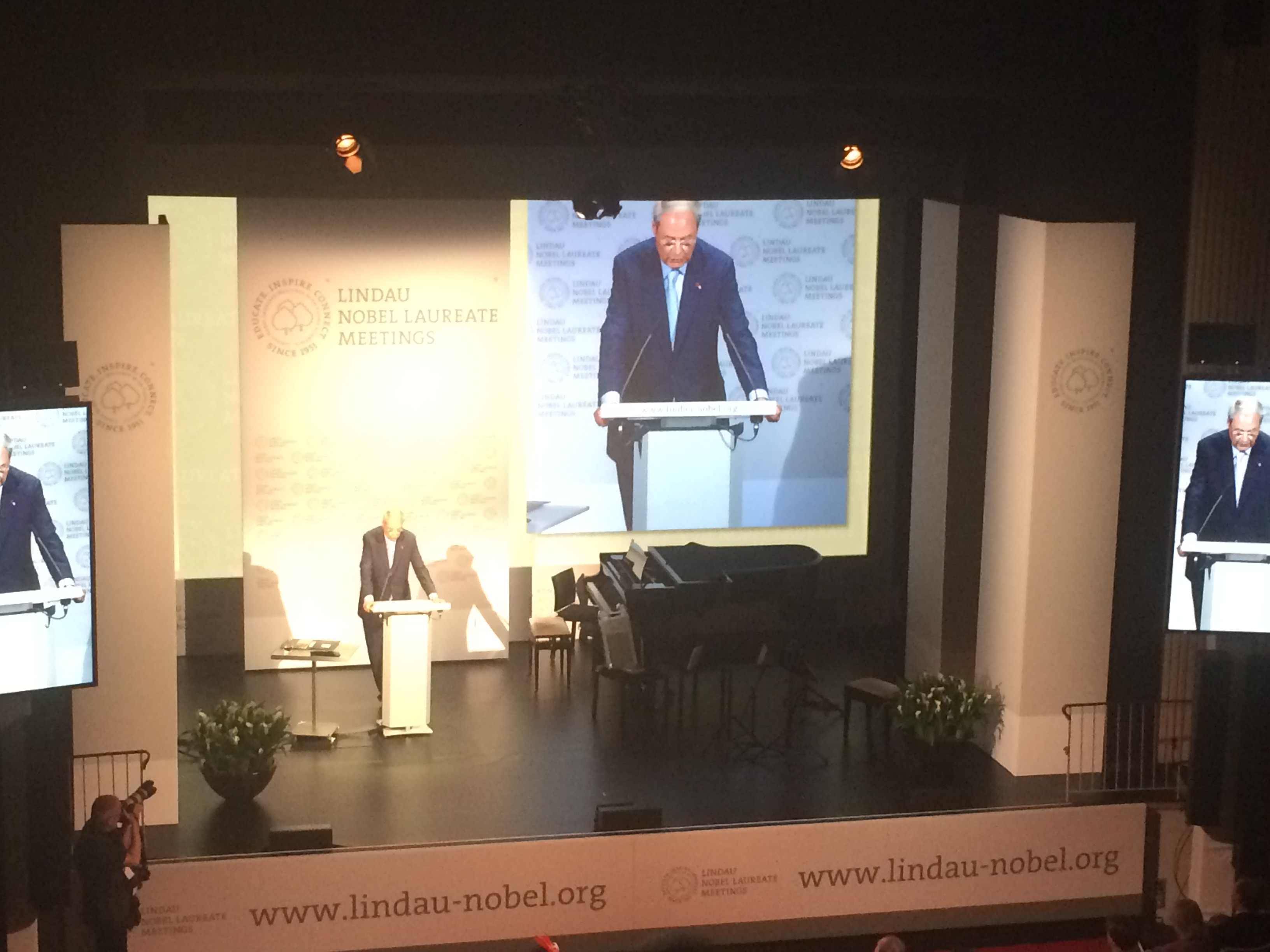
Lindau: Return to Nerd Heaven: Physics is like the Godfather and this is good

Alaina G. Levine is live from the Lindau Conference

As I mentioned yesterday, even after I switched my major to mathematics from physics and astronomy, I couldn’t quite turn my back on this field. I’ve come to realise that there is a specific reason for this, and I think you’ll agree: Physics is like The Godfather – once you’re in, you can’t get out. Our knowledge of the universe, from the yotta to atto, is all tied to physics. Our entire existence is described by physics. You can’t get more powerful than that. So clearly, it’s is an entrancing field, and like the Godfather, there is literally no way to escape – you’ll die a member of La Famiglia de Fisica.

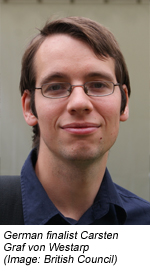
Lindau Island. Credit: CC-BY Edda Praefcke

Continue reading

Return to Nerd Heaven: Lindau

Alaina G. Levine is live from the Lindau conference

In 2012, I flew across the pond from the deserts of Arizona to the shores of Lake Constance on the German/Austrian/Swiss border. I wasn’t on holiday per se, but I might as well have been. When I arrived in the tiny hamlet of Lindau, Germany, I was met with two very sweet offerings: spaghetti ice cream and hundreds of nerds swarming the island town. I couldn’t have been happier.IMG_4306

Continue reading

The Düsseldorf Career Expo

Naturejobs comes to Germany

The latest Naturejobs careers expo, hosted in Düsseldorf in association with Jobvector, was a huge success, with over 1300 jobseekers in attendance to hear from the experts in both industry and academia. Set in the Classic Remise car exhibition, the expo was a great opportunity for jobseekers, employers and speakers to rub shoulders, shake hands, and network professionally whilst enjoying the machinery on show right next to them.

Delegates could choose to wander around the car exhibition, listen to talks hosted by Jobvector and Naturejobs, get a professional photo taken for their CVs (and then bring it to the CV checking workshop), get their photo taken again at the #ScientistAtWork photo booth, and meet exhibitors from 35 separate businesses and organisations based in Germany and worldwide.DSC_1382

Over in the Naturejobs workshops the crowd first heard Professor Kiril Sotirovski, of the University of Skopje, explain how to use online networking tools to boost your career. He talked about the huge impact that networks have on a career, and the best ways to get ahead by using them.

The next speaker was Tim Maschuw of the Germany Academic Exchange Service. He brought his considerable experience into his talk, and explained to the audience (furiously scribbling notes) on the best ways to find funding for early career scientists. Elsewhere, Dr Vincent Mignotte explained why it’s important to build a career plan that suits you, and how to find the right balance between what you think, what you feel, and what, deep down, you want. Continue reading

Mainz University Egyptologist to create massive digital inventory of hieroglyphic characters

An Egyptian boy writing. Scribe, hieroglyphs, symbols denoting meaning. Carving in stone or painting. System of sign language. Ancient Egypt.

{credit}Macmillan South Africa{/credit}

Mainz University was given the go-ahead to start a long-term project to study ancient Egyptian cursive scripts – and make all the data accessible and searchable in digital format.

Cursive scripts were used in day-to-day interactions in ancient Egypt – written using rush stems and black or red ink on materials such as papyrus, linen, leather, wood, ceramics, plaster, and even stone, explains the press release by Mainz University. The style of writing was a modification of the detailed hieroglyphs – often seen carved on temple walls and ancient artifacts – and by studying it, the evolution and adaptation of handwriting to suit daily needs can perhaps be traced.

There are two types of scripts: hieratic and cursive. “Hieratic script was used for every stage of the ancient Egyptian language during 3,000 years and was only displaced in some contexts by demotic cursive script in the middle of the first millennium BC,” says the release.

The researchers will continue previous decades-long analysis of both scripts and their relation to hieroglyphs and to demotic script, but for the first time, they’re attempting to “compile a systematic and digital inventory of hieratic and cursive hieroglyphic characters from selected and significant sources, whereby different eras, regions, textual genres, and writing mediums for the documentation period from around 2700 BC to 300 AD will be taken into account.”

The analysis will also focus on the scripts’ emergence and development, the context of their use in additions to aspects such as the economy, the layout of manuscripts and the identification of individual scribes’ hands.

The project is expected to create a “digital paleography database,” a repertoire of characters, that will be available online, could be searched and inspected by international experts. Extensive metadata on all relevant sources will be provided, the project promises. Partial or special paleographies will be downloadable.

The project, titled “Ancient Egyptian Cursive Scripts: Digital Paleography and Systematic Analysis of Hieratic and Cursive Hieroglyphs,” is partly funded by the German government. It will be supervised by Egyptology Professor Ursula Verhoeven-van Elsbergen of the Department of Ancient Studies of Johannes Gutenberg University Mainz, and will be spread over 23 years, receiving an annual grant of a little over $325,500.

Although the project is centered on the study of ancient Egypt, the actual work will take place in the Egyptology section at Mainz University and in the Computer Philology section at the Technical University of Darmstadt.

Lindau: A picture of health

Nature Video presents four films from the 2014 Nobel Laureate Meeting in Lindau.

Reporter Lorna Stewart travels to the German island of Lindau to meet 600 of science’s brightest young minds and 37 rock stars – Nobel laureates.

In a series of four films, Stewart asks some of the most profound questions in medicine. In one film, superstar statistician Hans Rosling helps Stewart get to grips with the realities of an ageing global population. In other films, Stewart delves into the past 40 years of cancer research, wonders if we’ll ever eliminate side effects when we take medication, and receives a reality check on the battle against HIV.

Get a taste in this trailer.

You can view all the Nature Lindau films here and Nature Outlook also produced a supplement based on the Lindau meetings.

German science hub

During the 2011-2012 academic year, close to 6000 Indian students have made Germany their academic home. That makes India  number 11 in the list of countries seeking Germany out for higher studies, according to the German Embassy in New Delhi.

Here’s some good news for Indian students interested in Germany. The German government has come to town with  the German House for Research and Innovation (DWIH) in New Delhi. The DWIH promises to be a ‘one-stop shop’ for students, researchers and potential partner institutions that will provide information on higher education in Germany, the country’s research landscape and funding sources. New Delhi is one the five DWIH hubs along with Sao Paolo (Brazil), Moscow (Russia), New York (USA) and Tokyo (Japan).

Science

{credit}Photoalto{/credit}

As part of its inaugural on October 27, 2012,  the German Embassy and the German Research Foundation (DFG) will have, what they call, the “Grand Science Slam”. Young Indian researchers from all fields of science can showcase their best and most interesting scientific projects. The fields they can chose from are medicine or physiology, “green” life sciences, physics or mathematics, geo sciences, chemistry and process engineering or engineering, informatics and social sciences. Shortlisted participants will publicly display complex scientific concepts in a very simple form either by way of a  talk, a play or even a musical performance. Two winners will be awarded a fully paid learning opportunity to work in the research group of an eminent researcher in Germany. The event will also feature the ‘Leibniz Lectures’ by two German speakers and scientific talks by two Indian scientists.

In times to come, DWIH expects India’s scientific influence to grow in the international arena. That is one of the reasons it chose New Delhi for setting up one of its hub. Leading German education and research bodies such as the Freie University, the Max Planck Society, Julich Reasearch Centre and University of Cologne are expected to collaborate with Indian scientific institutes and organisations through the DWIH.

A couple of years back, the two countries came together to set up an Indo-German Science and Technology Centre which currently handles a few projects in agricultural sciences and alternative energy sectors. The centre “catalyses innovation centric R&D projects by synergising the strength of research/academic institution and public/private industry from India and Germany”.

Good times coming for Indo-German science and research collaborations.

Getting a pay rise in academia

How long has it been since your last pay rise? For almost half of current respondents to a recent Naturejobs poll, the answer is more than two years – and with ever-increasing inflation, that’s effectively a year-on-year pay cut. So is there anything you can do to improve your salary prospects, particularly in academia, where there is often a lack of flexibility in pay?

Know your opportunities

Setting your starting salary

At universities in the UK, where research positions are appointed at a particular grade, there is often a window of opportunity to negotiate the precise point within the grade after you have been offered the job. “That depends on your level of experience and what you’re earning already,” says Rob Hardwick, co-chair of the UK Research Staff Association (UKRSA) and a postdoc at the University of Leicester. It’s likely you will be able to match your current salary, and you may be able to move up one additional point. If you find yourself applying for a position at a lower grade due to the current economic climate, propose that you are appointed at the top of that grade’s scale. In Germany, where positions in public universities are also appointed at a set grade within each district, with defined increments every two years, there are fewer options to discuss the fine details. “The public wage agreements leave no space for negotiation,” says Ute Heckel, project leader for Kisswin, a career development and information platform for young researchers in Germany. “Scientists have fixed contracts, and the contracts have fixed wages.”

In the United States, PhD students can earn a few extra thousand dollars a year by becoming teaching assistants, but there is little else you can do to improve your pay at that stage. The starting salary for postdocs in academia depends on whether your university follows the National Institutes of Health (NIH) guidelines of a minimum stipend of just over $38,000 per year. If it does, there is not much negotiation to be had, says Zoe Fonseca-Kelly, chair of the US National Postdoc Association (NPA). “For the most part, to negotiate a higher salary you’re looking at a promotion,” she says.

Securing higher pay

Pay at UK universities usually increases by a small increment each year until you reach the top of your grade. If you’ve hit the ceiling, make the case to the university that you should be promoted up to the next grade — you’ll need a letter of support from your supervisor for this. Also ensure you double-check your contract — one of Hardwick’s fellow researchers was automatically promoted up a level as they were appointed at the top of a grade, but their contract still said they were entitled to annual increments.

In the US, if you’re getting paid less than the NIH minimum guideline, Fonseca-Kelly recommends that you try to secure your own funding: “A postdoc’s best way to make sure they get at least the NIH minimum is to apply for their own training grants and get their own money.” If you are able to secure funding that can also benefit your career in general by demonstrating early independence. Scientists in Germany searching for funding at a more senior level to develop their career should apply for several grants or prizes at the same time, says Heckel. “You will be more successful if you hand in more applications. That’s perfectly all right.” She also cautions against having a single narrow research focus. “We advise people to have at least two specialisations that they follow in order to increase their chances of getting funded.”

Gather evidence of your value

Whichever opportunity for a pay rise you pursue, you’ll need to justify why you should get more money. “Frame the request in terms of the value you bring to your employer,” says Deb Koen, president and chief executive of Career Development Services in Rochester, New York (see ‘Salary boost’ for more of Koen’s advice).

If there’s an appraisal system in place at your institute, make sure you use it. “People don’t really do that enough,” says Hardwick. He also recommends using self-help tools such as Vitae’s Researcher Developer Framework to self-assess and quantify your full range of skills. “The research things go without saying,” he says. “Aside from that, there are many [other skills] you can use to your advantage.”

The US NPA provides a similar resource called the Postdoctoral Core Competencies Toolkit. Fonseca-Kelly suggests using the toolkit to set a two- or five-year plan either by yourself or with the help of a mentor. “That gives you bargaining ground and a results-orientated output you can use as a negotiating tool to get a promotion,” she says. “The people that I’ve seen successfully get a promotion in academia have had a very good plan of what they want to do and have been able to market themselves to their PI. It takes a lot of planning and communication skills.”

As well as identifying your full range of skills, remember that your publication record is still one of the main ways your value is judged. “That’s always been the most important thing,” says Hardwick.

Do you have any other advice to add? Have you recently secured a pay rise or a promotion? Share your thoughts below.

FameLab: Secrets of successful science communicators

This Saturday evening The Times Cheltenham Science Festival in the United Kingdom will host the 2011 international final of the FameLab competition, featuring leading science communicators from Europe, Asia and the Middle East. Naturejobs caught up with three of the 14 finalists to get their tips on how you can improve the way you present and discuss your research to those outside your field.

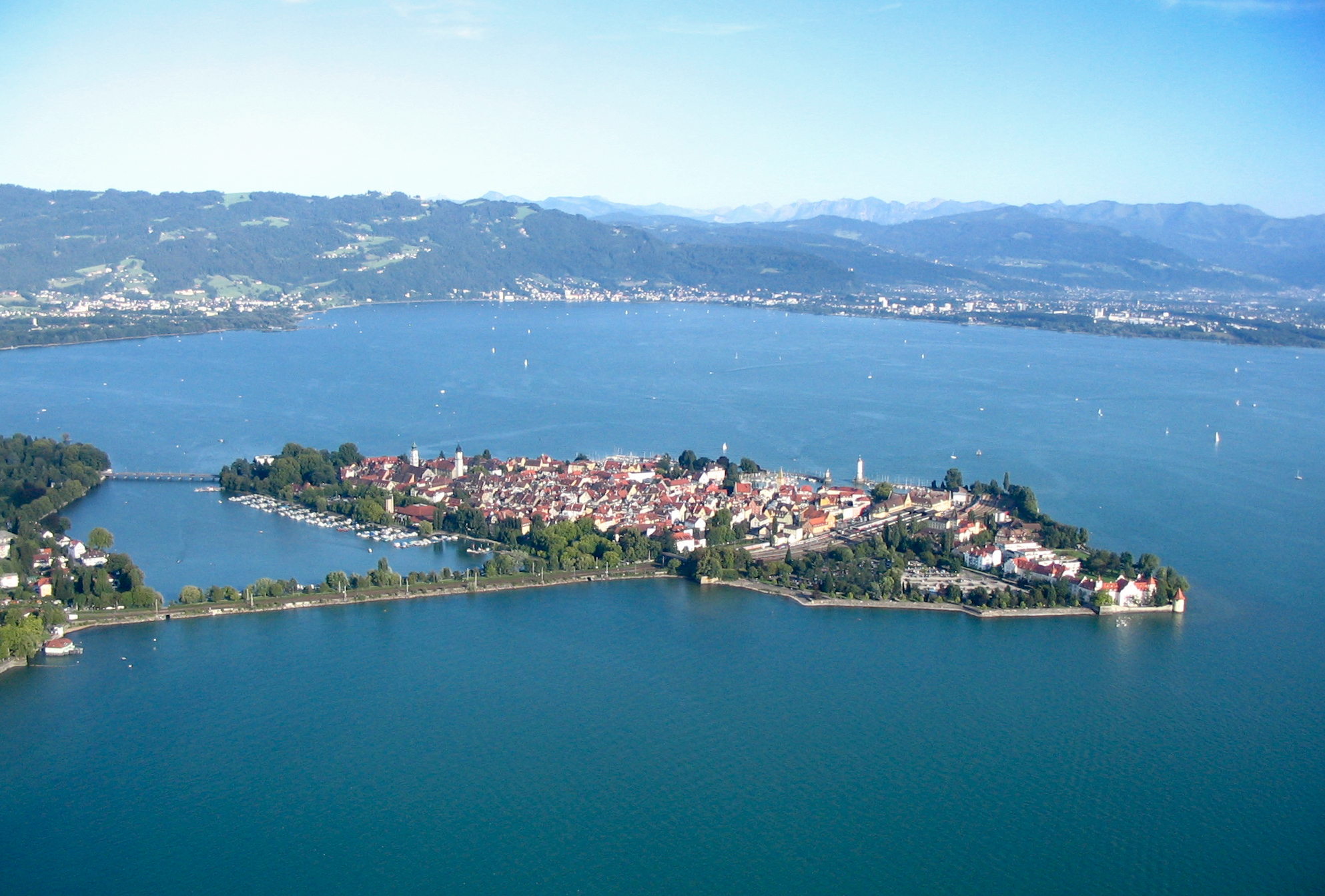
carsten.jpgCarsten Graf von Westarp, a PhD student from Germany studying semiconductor physics at the University of Hamburg, says the key to successful communication is to show how your research relates to everyday life. “Be aware of the interests of the audience or reader,” he says. Use simple language: keep technical terms to a minimum, and make sure you explain any that you do use.
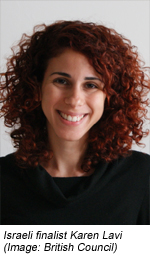
Another tip from Graf von Westarp is to show your fascination with your topic, advice that is echoed by the other two finalists. Karen Lavi, a PhD student studying memory and learning at the Bar-Ilan University and Haifa University in Israel, says enthusiasm is essential for good communication. “Keep in mind that [to you] your subject is the most interesting topic that ever existed — otherwise you wouldn’t have chosen to invest your whole life in it,” she says. “Try to pass on this feeling to your audience.”

karen.jpgFellow finalist Mahmoud Abu-khedr, a third-year student at the University of Alexandria in Egypt, agrees that talking from your heart is key, and adds that you also need to believe in the importance of science communication itself.
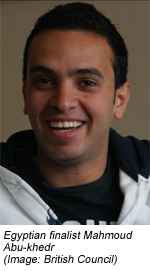
In addition, Lavi emphasises the power of using metaphors and story-telling, suggesting that you talk about your research as if it were a detective story rather than a presentation at a conference. She also recommends you try to personalise your audience — “Imagine you are talking with your mother,” she says — and make sure that you can sum up your entire talk in a few sentences: “What is the message your audience should take home with them? What will they tell their friends and family?”

mahmoud.jpgConsidering how you present yourself can also help you communicate better, says Abu-khedr. Remember to smile, and work on your charisma: “You have to act as well as present,” he says. Lavi adds that you should also inject some humour if you can. But don’t force it so that you become uncomfortable — it’s important to have confidence in yourself. “Be how you are,” concludes Abu-khedr.

Do you have any tips to add? Share your advice and experiences below. And best of luck to all the FameLab international finalists.

UPDATE: Congratulations to Karen Lavi and Mahmoud Abu-khedr, who took second and third places respectively in the competition. You can read more about the results on the FameLab website.