Sharing data is important, but Twitter can be used for much more than that, says Eileen Parkes.


Good management can make an enormous difference in the success and productivity of any team. Unfortunately, new managers are rarely chosen because they have demonstrated skill at managing people. After 10-15 years of training, many scientists will be expected to run an academic lab or manage a team outside of academia with little experience and almost certainly no formal training. The kind of smarts and the types of skills that it takes to be a good scientist are not the same ones it takes to be a competent manager (much less a really good one). While getting your PhD or doing a postdoc, few science trainees have opportunities to work on their emotional intelligence or to hone their delegation skills.
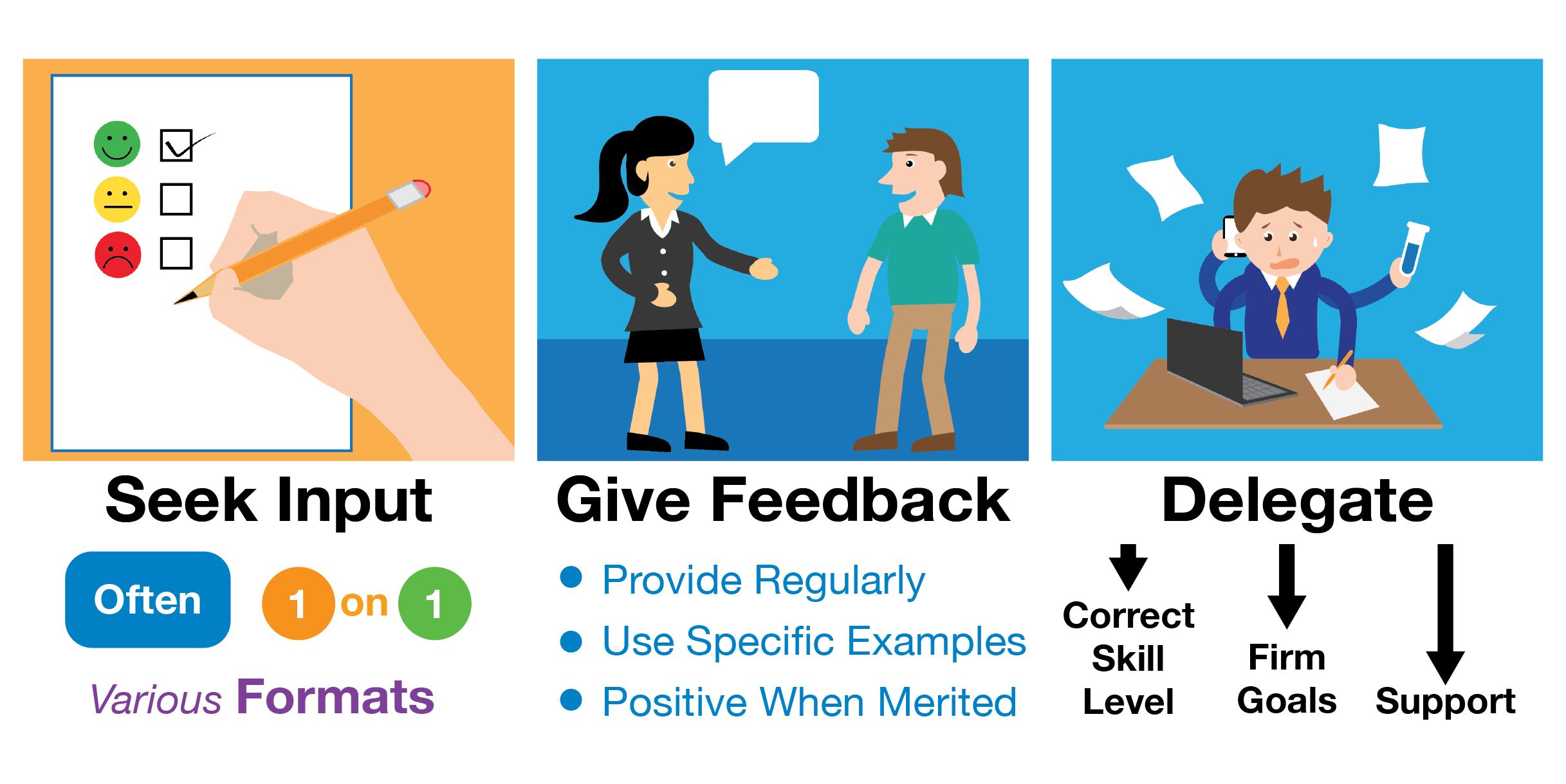
So what makes a good manager? First, it takes an open mind willing to learn and develop skills. Managing a team is hard and scientists should reject the myth that “it comes naturally” to some. Most good managers have worked hard to learn principles of good management and they continually build their skill set with experience and trying new tactics. Second, being a good manager requires a focus on the goals. I believe the most important goals are to get a lot of stuff done, to produce excellent quality work and to create a team culture that provides a happy work environment. The first two goals may be obvious, but why the third? Happy people get more done and do better work and a positive culture attracts good people.
Here are three areas to work on.
{credit}Wu Li; addgene{/credit}
Are you one of the many PhDs considering a career in data science? I completed a PhD in neuroscience at Stanford three years ago; now I’m a data scientist at Uber. During my time in industry, I’ve found that the skills we develop in graduate school, such as analytical thinking, statistics, communication skills, and – oh yes – tenacity in the face of adversity, make us a great fit for the role.
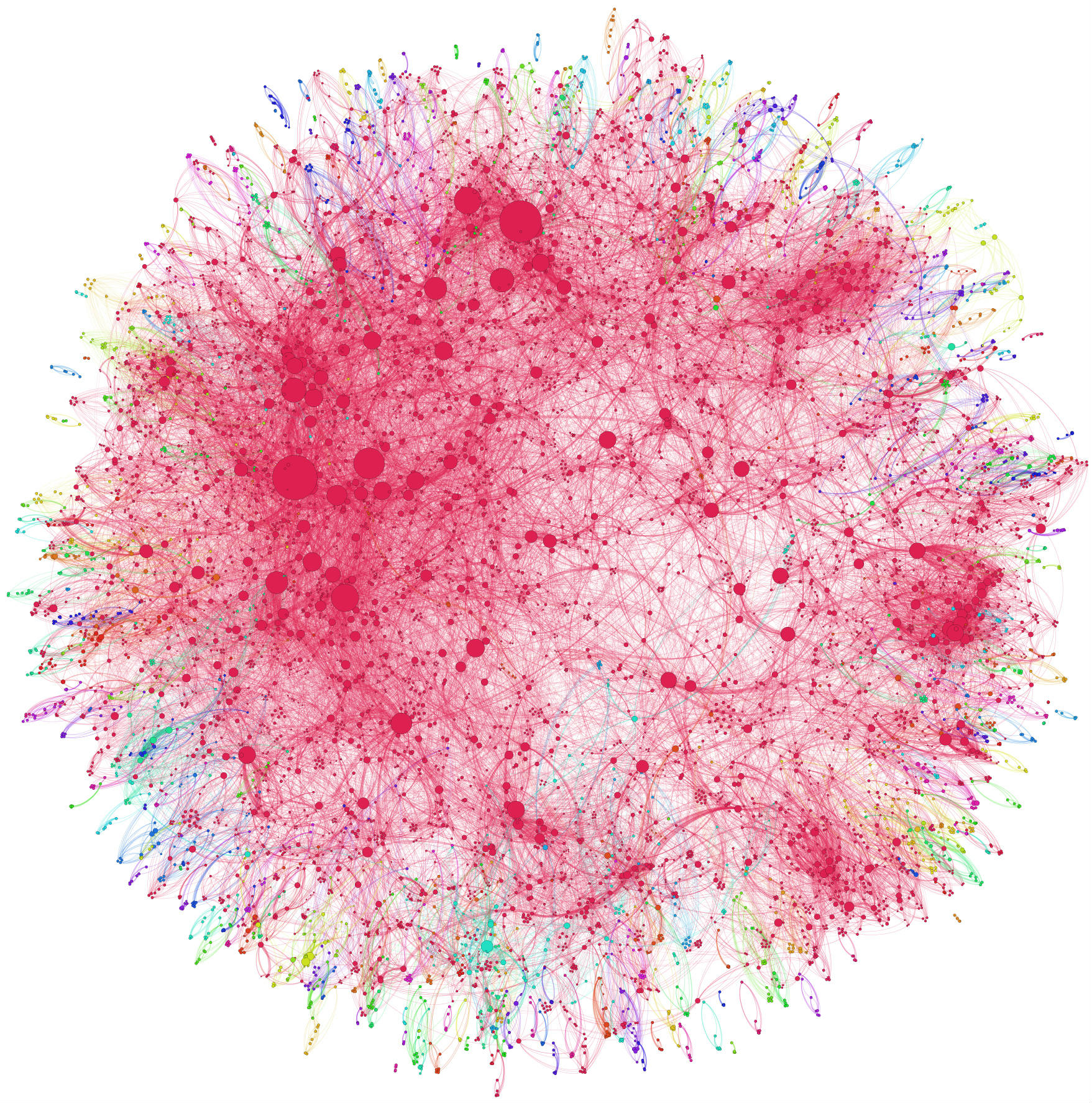
The co-authorship network of 8,500 doctors and scientists publishing on hepatitis C virus between 2008 and 2012. {credit}Andy Lamb/ Flickr{/credit}
It has been shown that research articles receive more citations when they have their underlying data openly linked to them. With this in mind, it’s time to consider not just the ideological reasons for making research data open, but the selfish benefits of openly sharing data that all researchers can (and should) be taking advantage of.
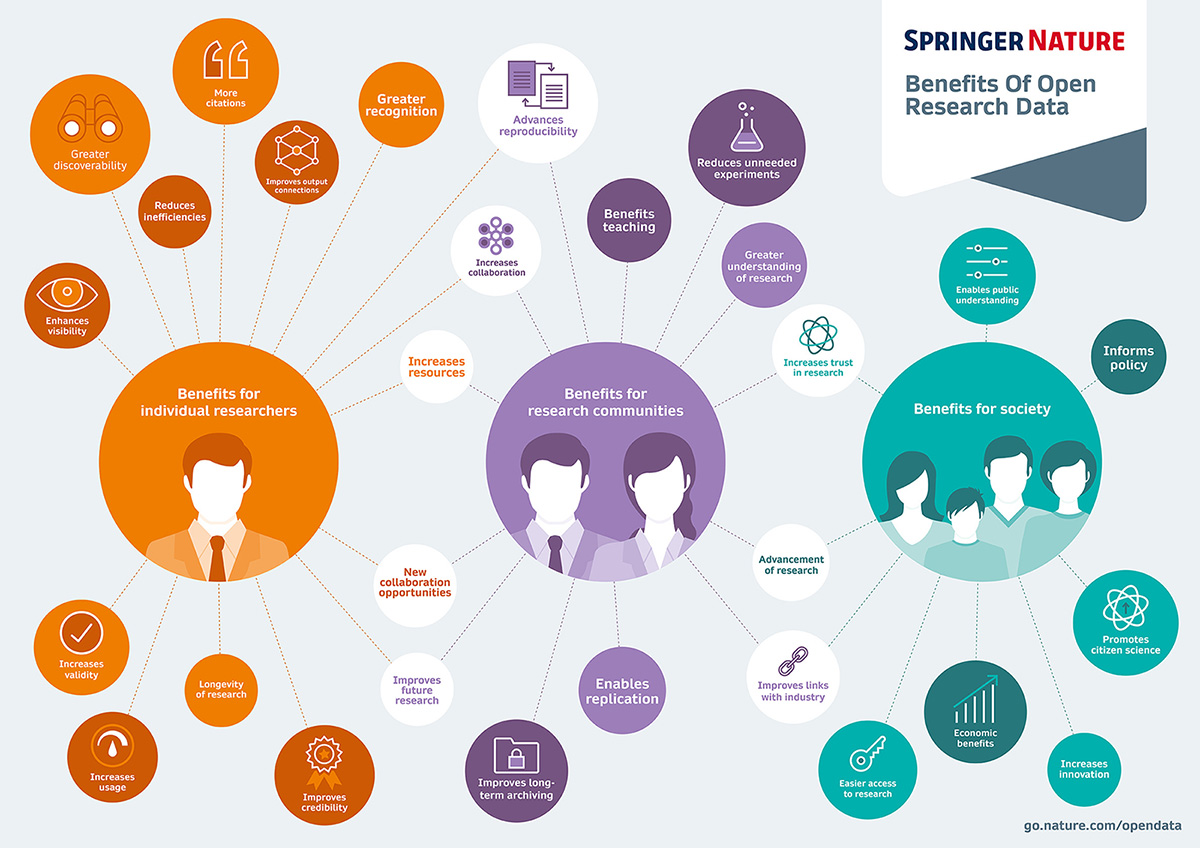
This infographic can be downloaded under a CC-BY licence here
And as an increasing number of funders mandate data sharing, and publishers start implementing more consistent data policies at their journals, it is worth seriously considering how and why you should make the research data you generate more openly available. Continue reading
It’s fair to say the scientific community is spending a lot of time talking about the March for Science, due to take place on April 22, 2017. While organizers are preparing for events in Washington, D.C. and satellite locations around the world, scientists are evaluating their roles in politics and public outreach. I reached out to scientists and science supporters to discuss the march and the impact of recent political decisions on science, scientific policy, and our careers as scientists.
According to their website, the March for Science was founded as “a celebration of our passion for science and a call to support and safeguard the scientific community.” For many scientists, though, it’s about supporting the scientific process itself and advocating for its importance. Joel Sachs, an Associate Professor of Biology at the University of California, Riverside, says, “Science is just a way of learning about the world and is incredibly important to make predictions about what’s going to happen in the future — in terms of our climate, disease, and how to manage crops and livestock.
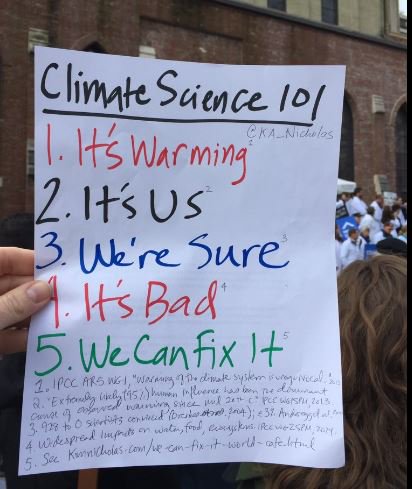
{credit} Bill McKibben/ Twitter: https://twitter.com/billmckibben/status/808791393569243140?lang=en{/credit}

Demonstrators protest outside The White House on January 29 2017
The ‘Away from home‘ blogging series features Indian postdocs working in foreign labs recounting their experience of working there, the triumphs and challenges, the cultural differences and what they miss about India. They also offer useful tips for their Indian postdocs headed abroad. You can join in the online conversation using the #postdochat hashtag.
Today, we have environment scientist Ram Avtar, an alumnus of Jawaharlal Nehru University (JNU), New Delhi and a postdoc from the Japan Agency for Marine-Earth Science and Technology (JAMSTEC). He tells us about his transition from a postdoc to a research associate with the United Nations University in Tokyo, an organisation with a global outlook and ample scope to forge meaningful collaborations — not just in one’s professional life but also in the personal life.
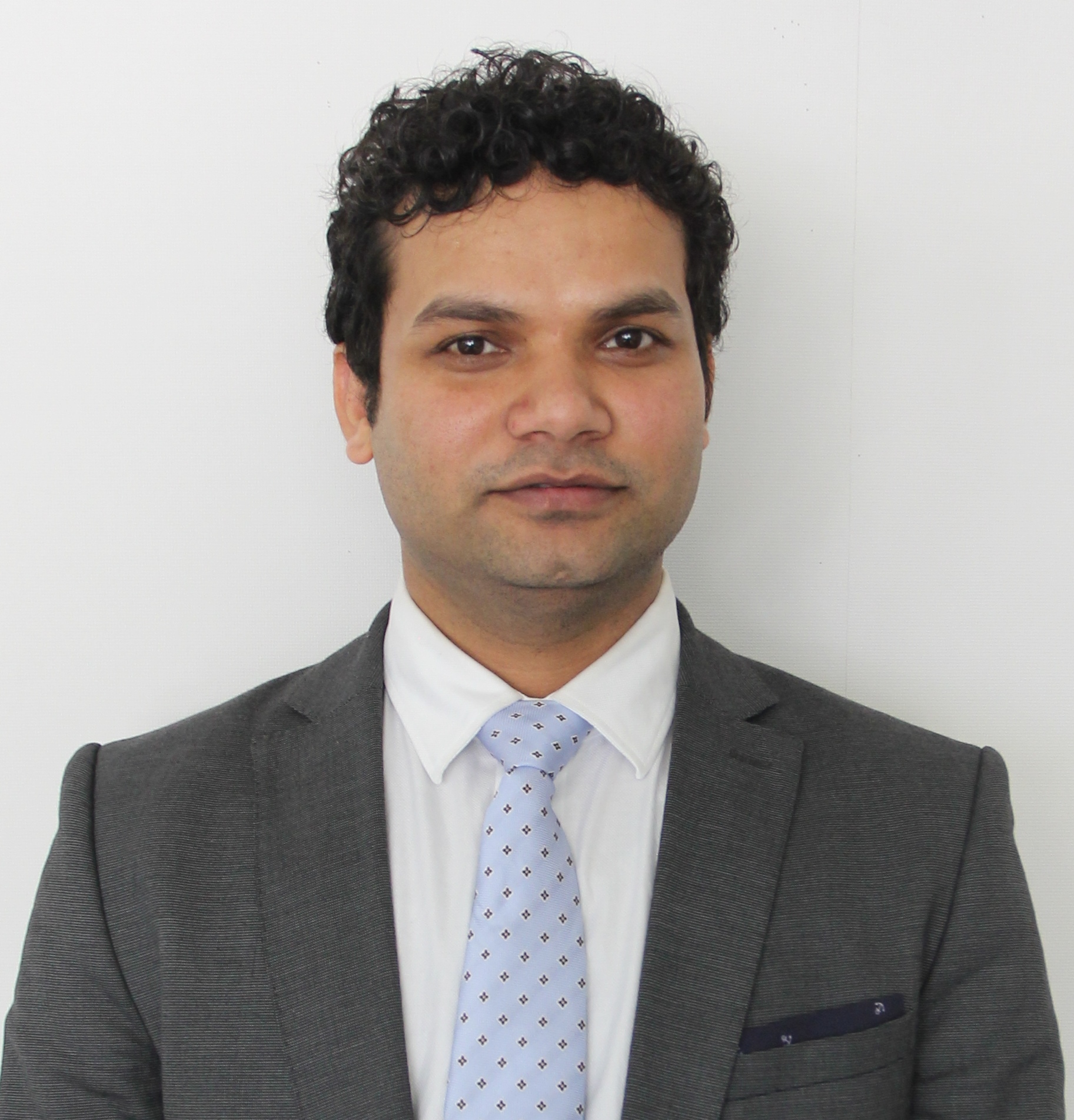
Ram Avtar
In many research projects, there tends to be three major interested parties. The first is the researcher who actually performs the experiment and collects the data. The second is the scientist overseeing the research project, who may be collating related data from several researchers. Finally, there is the institution, which supports the research financially and provides a space in which to do it.
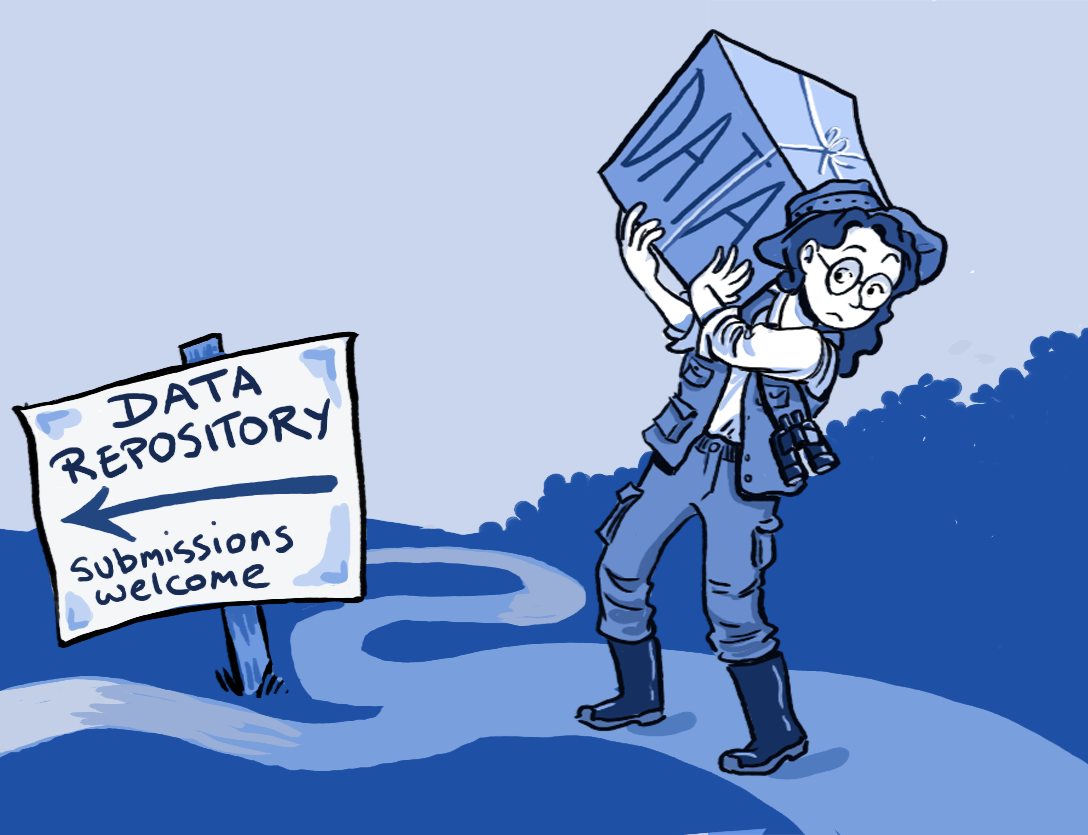
{credit}Roche DG, Lanfear R, Binning SA, Haff TM, Schwanz LE, et al. (2014) Troubleshooting Public Data Archiving: Suggestions to Increase Participation. PLoS Biol 12(1): e1001779. doi:10.1371/journal.pbio.1001779, CC BY 4.0, https://commons.wikimedia.org/w/index.php?curid=30978545{/credit}
These centers should focus on new scientist-to-scientist communication techniques before designing formal programs, says David Rubenson.
Multi-disciplinary, trans-disciplinary, translational, team science. These are the buzzwords for a consensus that transformative science requires collaboration among diverse disciplines. With scientists locked into narrow sub-disciplines, universities are dedicating enormous resources for top-down multi-disciplinary “programs,” “centers,” and “institutes” that attract diverse researchers, with the aim of encouraging more multidisciplinary collaboration.