The Naturejobs podcast needs you!

Ask a careers expert your job-related questions on the Naturejobs podcast.

 The Naturejobs podcast is making a long-awaited comeback in July 2017 and we’re setting up an expert panel of careers advisers to answer your job-related questions.

25795-03_Podcast-End-User-Banner-300x100 Update3

Each month we plan to feature a hot topic for relevant members of our panel to answer. Do you have a workplace dilemma that you’d like to discuss? Are you struggling to decide what your next career step should be? Do you need help answering tricky interview questions, or tips on how to structure your CV? If you need help answering these questions and others, email your question to naturejobseditor@nature.com.

If we decide to feature your question we’ll be in touch to discuss ways of including it in the podcast, including an opportunity for you, the questioner to feature on the podcast!

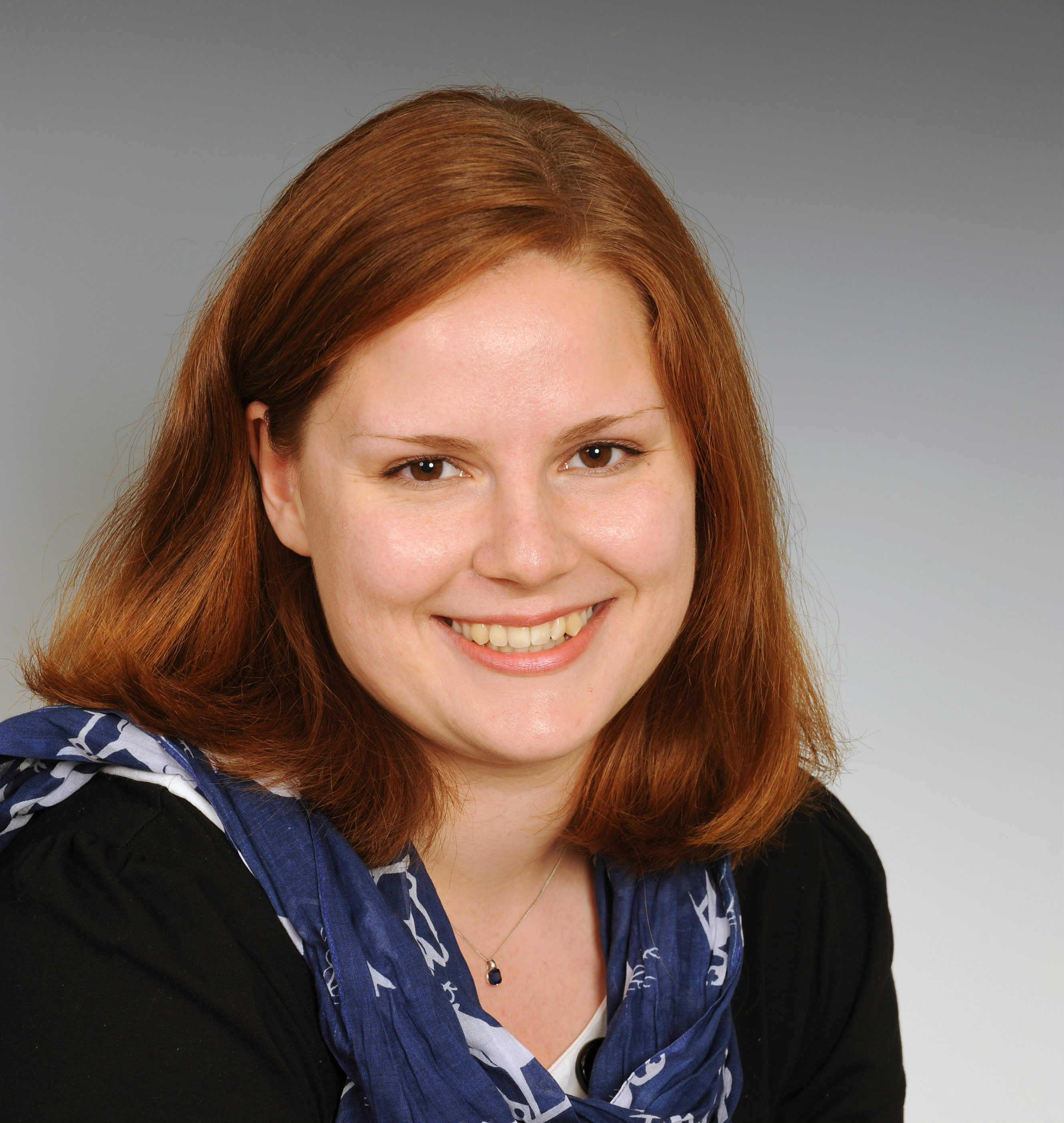
In our opening episode of this new #NJPodcast series, Lauren Celano, co-founder and CEO of Propel Careers, will be our expert. Lauren has been working closely with Naturejobs for many years, regularly featuring on the blog and at our Boston Expo.

Her work with Propel Careers has allowed her to help many early career researchers find their feet when pursuing a career in the life sciences.
Continue reading

What almost derailed you?

We ask academics at the Naturejobs career expo, San Francisco, to name one moment that almost derailed their career.

https://youtu.be/OkDhBqL2A0M

A week in the life of a tenured professor

A Chinese scientist considers the new responsibilities that come with his role

This piece was cross posted with Nature Asia. You can read the Chinese version here.

Guest contributor Chenggang Yan

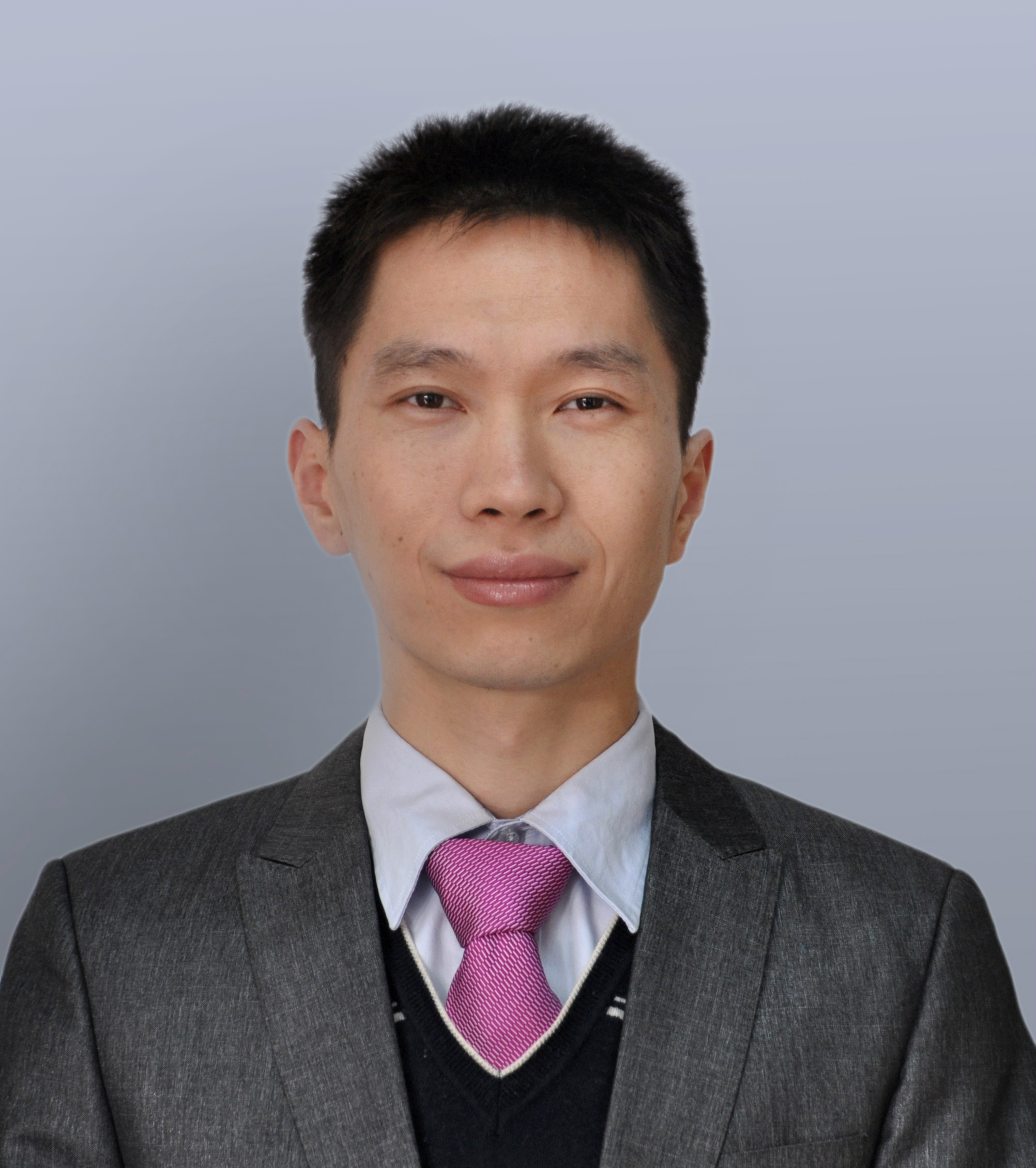
I’ve spent ten years of my life in research. In those ten years, I’ve never been completely overwhelmed until I accepted a professorship at Hangzhou Dianzi University. Just like many other young scholars, I’m working hard to win a good reputation with my research. I went into science because – like many others – I wanted to do meaningful work, lead a new era, and benefit humanity in some way. But recently I’m finding that’s just not what I spend my time doing.

DSC_0001 op1-smaller

{credit}Chenggang Yan{/credit}

Continue reading

Five career tips from Ripley Ballou

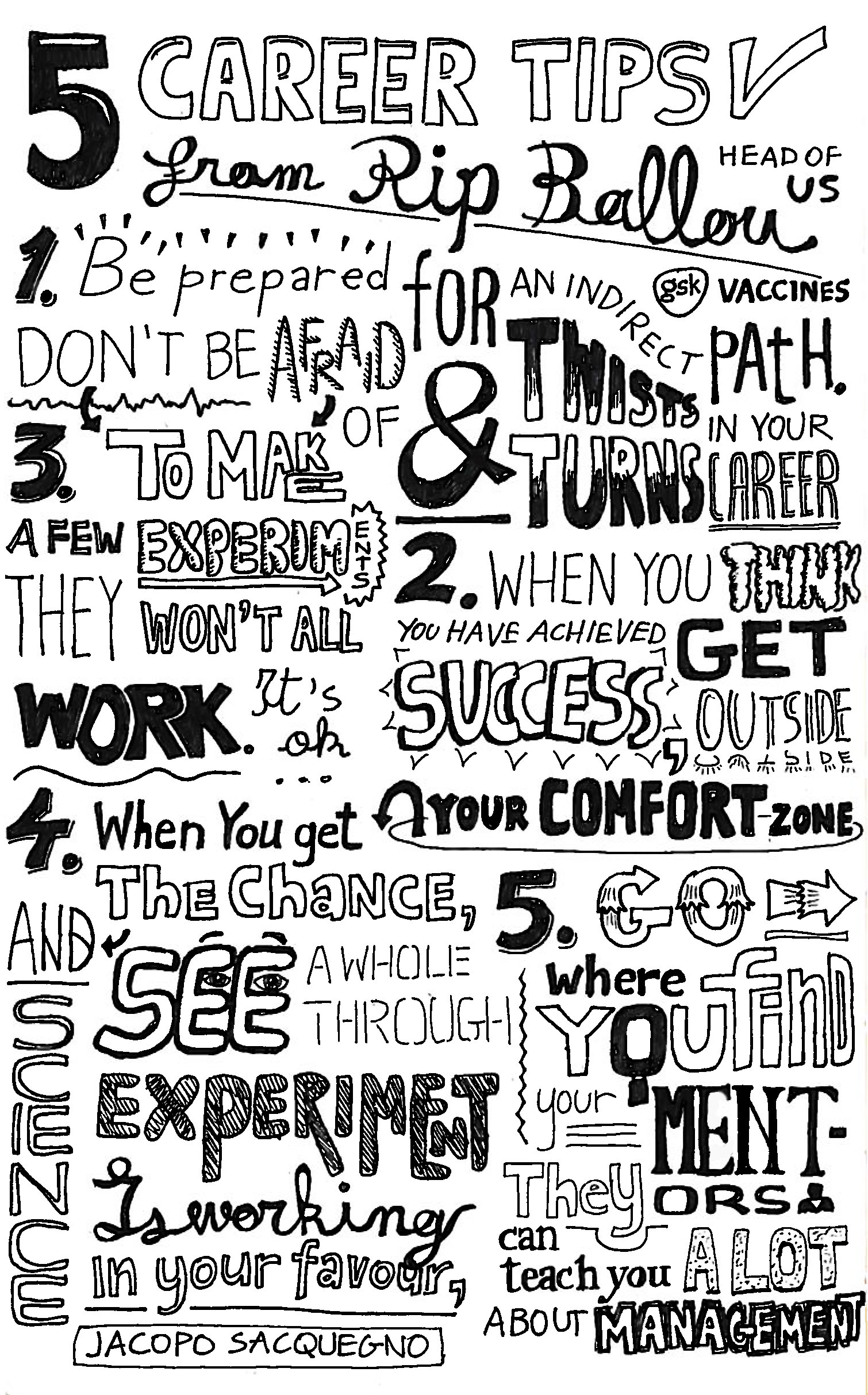
We sat down with Rip at the Naturejobs career expo, Boston, to talk about his career and the advice he would give to other scientists starting theirs.

Rip’s had an interesting life; he started his career as a researcher at the US army’s Walter Reed Institute of Research, where he once exposed himself to malarial mosquitoes in a bid to see if his malarial vaccine worked. It didn’t, and that experience has motivated him in his career ever since. He’s now the head of US vaccines at GSK.

Here’s a word art graphic of five points from Rip’s talk, by Jacopo Sacquegno.

Sketch_5Tips_tweet_NJCE-smaller

{credit}jacopo sacquegno{/credit}

Continue reading

So you want to be a data scientist (again)?

Put your natural science skills to work in a data science career

Guest contributor Daniel Harris of SoftwareAdvice.com

The explosive economic impact of big data has blurred the line between the business world and the scientific world like never before. A new type of business leader, the data scientist, has evolved as an amphibian, capable of thriving in both worlds, swimming in data lakes to bring useful insights back to the solid ground of business concerns.

Of course, companies have been using business intelligence (BI) tools to analyse their operational and financial performance metrics for decades.

But datasets generated by the web are so large that they must be stored on clusters of servers with thousands of nodes. Traditional methods for analysing these datasets have faltered, necessitating a more scientific approach.

Continue reading

Research in industry: A great career choice

Albert Isidro-Llobet always wanted to be an academic. Now he works for GSK. Here he shares his story.

Guest contributor Albert Isidro-Llobet

I joined the R&D division of GSK as an organic and medicinal chemist in 2012. Before that, I completed my PhD at the University of Barcelona and a 3-year postdoc at the University of Cambridge. After my undergraduate degree, I decided to work in organic and medicinal chemistry to contribute to the synthesis of new medicines. Eventually, I wanted to become a Principal Investigator (PI) in academia and it seemed to me that the best course would be pursuing a second academic postdoc.

Albert in his lab

Albert in his lab

Continue reading

Naturejobs monthly roundup – April 2016

With one quarter of the year all over, and summer on its way, we run through your favourite posts last month.

First up this month is our ever-popular post on the value of Liebeth Aerts’ PhD, where she takes a look back one year after graduating.

Continue reading

Women in physics: personal perspectives

Sarah-Jane Lonsdale speaks to two senior female scientists in industry about their career paths

Guest contributor Sarah-Jane Lonsdale

The Institute of Physics ran an event in November 2015 targeted at PhD students and early career researchers on “Taking Control of your Career as a Female Physicist”. After the event, I spoke with Dr Valerie Berryman-Bousquet, R&D Manager at SHARP Laboratories, and Dr Jenny Wooldridge, Associate Programme Manager at the National Physical Laboratory, about their career paths in industry. After our first discussion, we continued our conversation.

Sarah-Jane Lonsdale

Continue reading

Most read on Naturejobs: March 2016

With one quarter of the year done already, we look back at your favourite posts from last month. We’ll get right to it.

Answering the most-feared interview question is high on everyone’s mind. Our guide to expressing your greatest weakness in a positive way is on the leader board as the most read piece on Naturejobs this month. Glad you liked it!

Chris Woolston talked us through the best make-up for a lab in group dynamics: a lab of their own in March. Your research group is important, and finding the right balance between different members of staff may just tip you into academic success. Continue reading

Women in physics: personal perspectives

Following the IOP’s “Taking Control of your Career as a Female Physicist” event, Dame Professor Athene Donald and Professor Val Gibson spoke with Helen Cammack about their careers within academia.

Guest contributor Helen Cammack

In my last blog post, I discussed career progression, publishing and gender equality with Professors Donald and Gibson. Here, we continue our conversation.


Did you relocate often as a postdoc?

AD: I moved around – I had a postdoc in the States, then returned to Cambridge. But at that stage I wasn’t really thinking about a career, so I wasn’t that bothered about what happened next. I didn’t intend to be an academic, so the pressure wasn’t on me. Nowadays everyone has to be calculating and publish in the right journals, and the pressure can detract from that freedom.

VG: When I was in my early career, I was just enjoying the moment, and I wasn’t thinking about my future career. The postdocs of today seem to more aware about career opportunities; they know that the majority of them won’t stay in academia; they’re looking around for what they would like to do and they’re picking up the skills they need for the future. It’s not just the academic side, it’s also the personal aspects – they’re concerned about getting on the housing ladder and potentially having families. At that stage those concerns never crossed my mind.

Continue reading