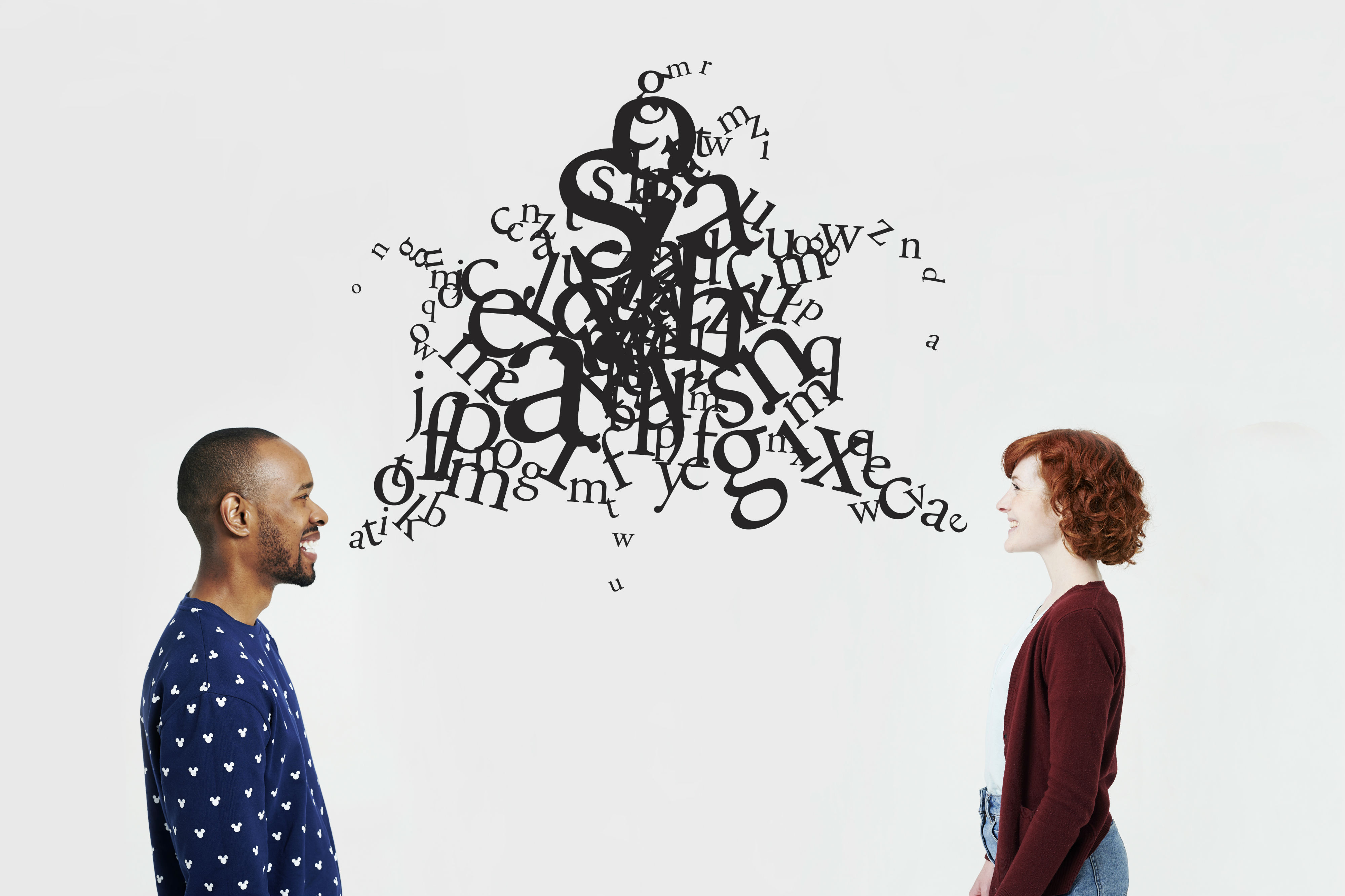
While English is largely regarded as the global language of science, science communication doesn’t enjoy a unifying language.
Naturejobs journalism competition winner Catherine Carnovale explores this distinction.

Naturejobs journalism competition winner Catherine Carnovale explores this distinction.
Recently, more and more emphasis has been put on scientists to communicate their research to public audiences. National scientific organizations such as the American Society for Biochemistry and Molecular Biology and the American Society for Cell Biology encourage their members to reach beyond the bench, and many blogs help scientists describe their research to wider audiences. At the University of Pittsburgh, where I’m working on my PhD, graduate student and postdoc organizations on campus share their excitement about science with the public through partnerships with local museums and school districts.

{credit}PhotoDisc/Getty Images{/credit}
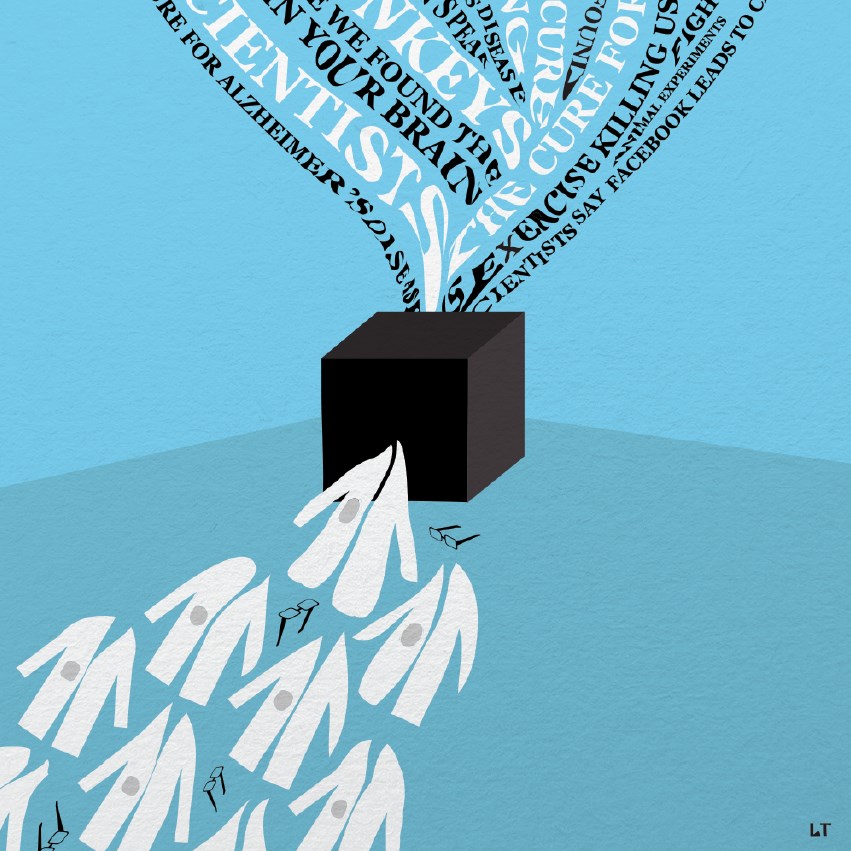
In July 2016 scientists found out how to map the brain into dozens of new areas using neuroimaging. We also discovered that thousands of such brain scanning studies may be flawed. To someone lacking insight into neuroscience, these two equally important studies can seem conflicting. Although “science communication” happens everywhere, science can still feel like a black box to the public, mysteriously churning out breakthroughs which are packaged and relayed by a barrage of tweets and headlines.
The life of a researcher is incomplete without undergoing the trauma of writing scientific documents: papers, grants, protocols, theses, and so on and on. Most researchers find this stressful, time-consuming, and difficult; and, despite the enormous time and effort invested in writing, I for one often come across close-to-incomprehensible papers while digging through the literature. Why is that the case, and how do we fix it?
Publishing Better Science through Better Data writing competition winner Emma Vander Ende.
One of the foundations of science is its reproducibility. Without it, results are not verifiable and are therefore not believable. But even if a published result is true, there is a chance it might not be reproducible, which introduces a plethora of problems for science.
Irreproducible experiments severely limit the ability of the scientific community to build on results and advance the field. This can happen when scientists don’t share enough data, or details of their experiments in papers, and it happens quite frequently.
So why might a scientist not share their data?
{credit}Comstock/Thinkstock{/credit}
On June 6, 2012, I skipped class to watch the transit of Venus. I was studying in Adelaide, Australia, where the transit lasted from early morning until mid-afternoon and we had a wonderfully sunny day to view it. If I had known a bit more about the history of the transit, I may have been more thankful for that.
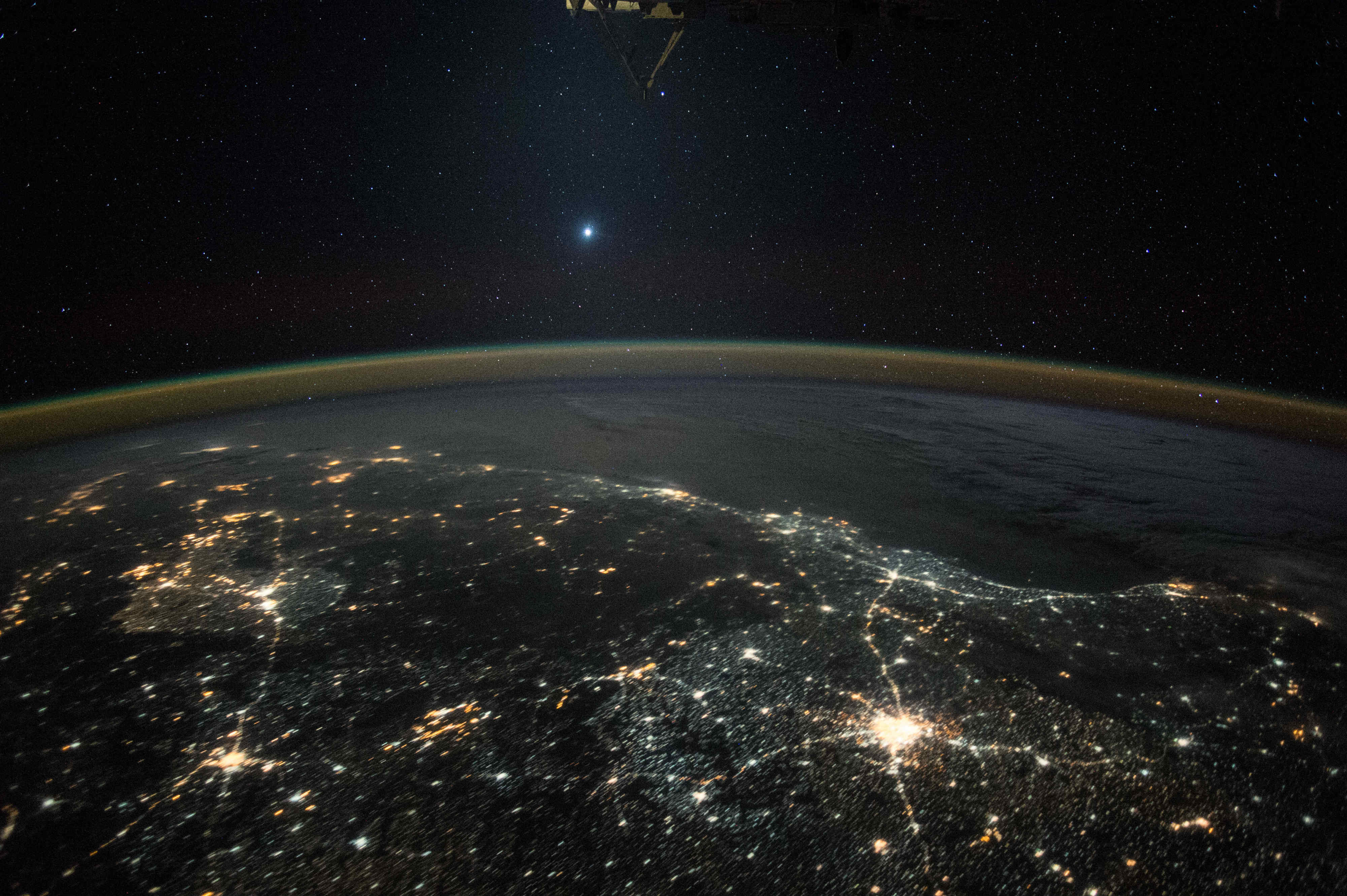
A view of Venus from over the Indian subcontinent. This photograph was taken by Japan Aerospace Exploration Agency (JAXA) astronaut Kimiya Yui from the International Space Station on December 5th, 2015
In the 1760s, astronomers made long and convoluted journeys across the globe just to observe Venus crossing the Sun. Scientists at the time wanted the transit recorded from as many continents as possible, so they could use the data to calculate the distance between the Earth and the Sun. It took years of effort and huge sums of money to orchestrate such a viewing. Continue reading
A long time ago in a land galaxy far far away, there was a great gathering where those weary of the well-trodden trail of tenureships and grants repaired themselves. The gathering in question was the Naturejobs career expo, a free one-day event organized for students and scientists alike. Featuring some truly inspiring speakers, it gave a much-needed boost to my hope for a career in science that can be both emotionally and financially (yes, $$$) satisfying.
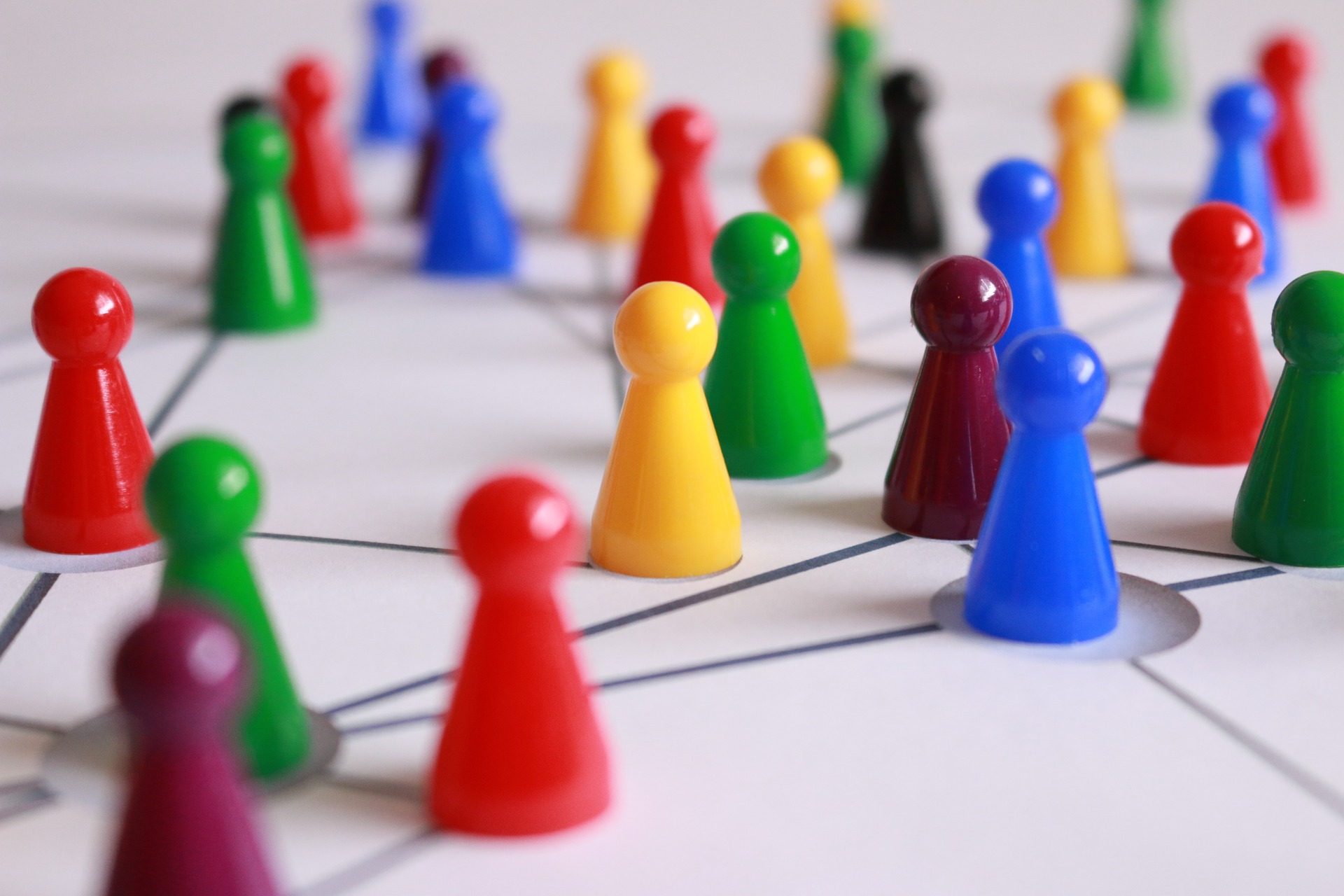
Sometimes I ask people, “if you weren’t studying biology, what would you do?”
At first, they’re taken aback, and I don’t blame them. PhD students are self-selected for a certain kind of persistent, focused thinking; that’s what it takes to become the world’s leading expert on your thesis project. We are as deeply immersed in our work as a fish in water. That makes asking a graduate student to consider a different field of study a lot like asking a fish to imagine life on dry land.
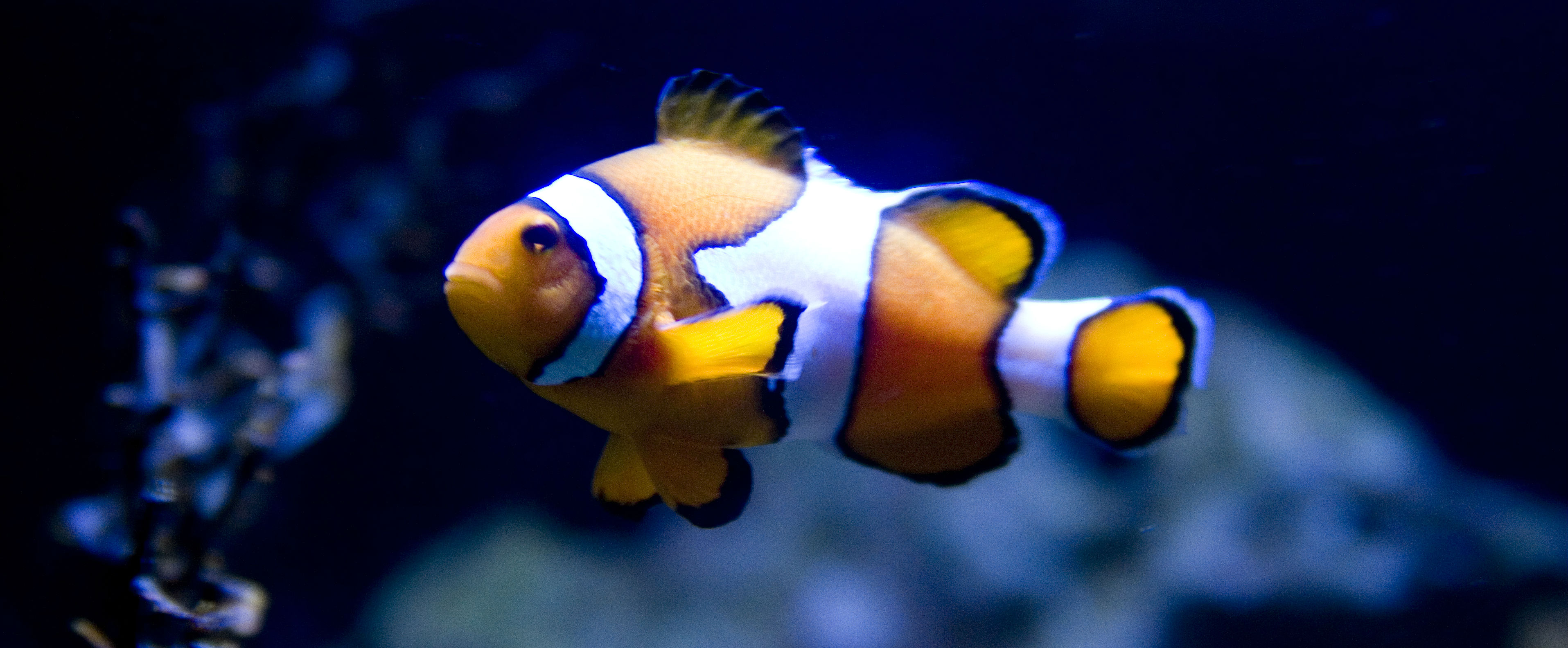
“We are as deeply immersed in our work as a fish in water. That makes asking a graduate student to consider a different field of study a lot like asking a fish to imagine life on dry land.”
There has always been an emphasis on the generation of novel data in science. Being a scientist involves progressing from observation to hypothesis to experiment to output. In the past, a combination of scarce data to look at and low throughput machinery to make more has led to limited experimental outcomes.

Atma Ivancevic
https://youtu.be/huuvlt5hepg